عن ماذا تبحث?
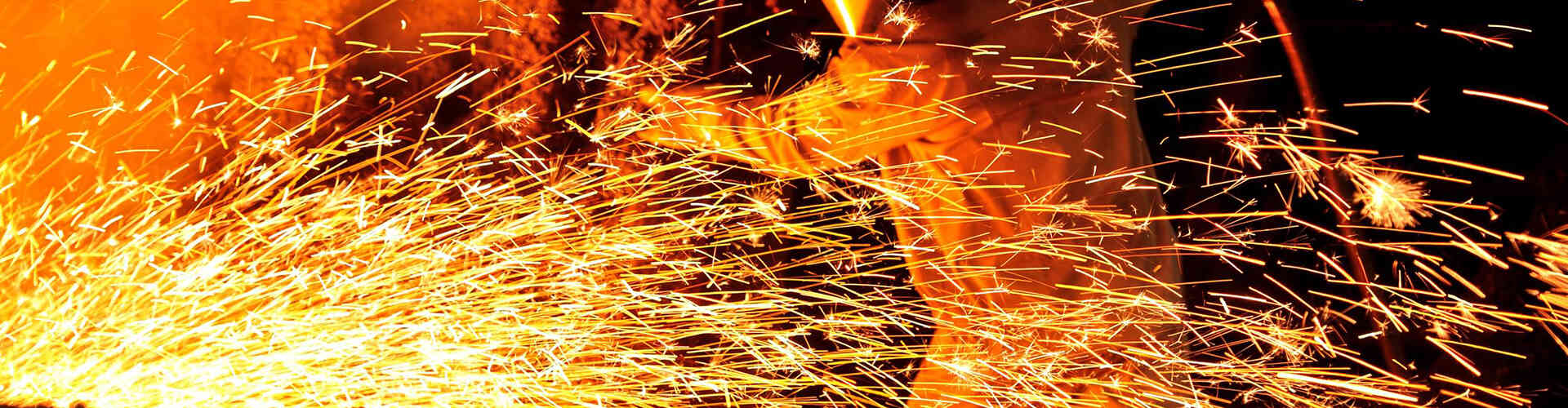
ملخص سريع: يُعدّ الفولاذ المقاوم للصدأ من أكثر مواد الحماية الحرارية موثوقيةً لأنظمة العادم، فهو يقاوم التآكل، ويتحمّل الاهتزازات، ويحمي من الحرارة الإشعاعية عند تصميمه بشكل صحيح. يشرح هذا الدليل أنواع مواد الحماية الحرارية المصنوعة من الفولاذ المقاوم للصدأ، وقواعد اختيارها، ونصائح تركيبها التي يستخدمها المهندسون والبناؤون.
لماذا الفولاذ المقاوم للصدأ | أنواع المواد | قواعد الاختيار | نصائح التركيب | الأخطاء الشائعة | التعليمات
تجمع أنظمة العادم بين درجات حرارة سطحية عالية، واهتزازات، ودورات حرارية، ورذاذ الماء، والتعرض للملح، والتغليف المحكم. حل عملي مادة درع حراري من الفولاذ المقاوم للصدأ يجب أن يظل مستقرًا في ظل هذه الظروف مع الحفاظ على فجوة هوائية واقية. يُستخدم الفولاذ المقاوم للصدأ على نطاق واسع لـ الحماية الحرارية لأنه يوفر:
في عمليات البناء الحقيقية، الأكثر فعالية واقي حراري للعادم عادةً ما تكون الحلول أنظمة متعددة الطبقات: طبقة خارجية من الفولاذ المقاوم للصدأ + طبقة عازلة + فجوة هوائية مضبوطة. بالنسبة لمصادر الحرارة العالية، قد يكون خفض الحرارة من المصدر أكثر فعالية. راجع قسمنا حلول عزل العادم للتحكم في درجة حرارة سطح التوربو والأنابيب.
اقتراح الصورة رقم 1
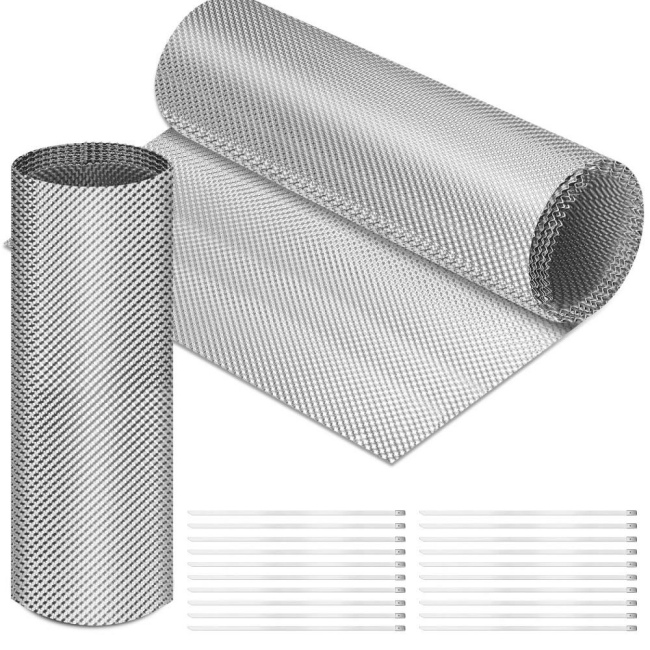
تساعد التصاميم المصنوعة من الفولاذ المقاوم للصدأ المنقوش أو المحبب في الحفاظ على المسافات الدقيقة وتحسين الصلابة، وهو أمر بالغ الأهمية للحد من اهتزازات الجزء السفلي من السيارة. وغالبًا ما تُستخدم هذه التصاميم كطبقة خارجية واقية أو كجزء من حاجز مركب. ويُعد هذا النمط شائعًا عند الحاجة إلى متانة عالية. الحماية الحرارية طبقة تحافظ على شكلها وتحمي العازل الموجود أسفلها.
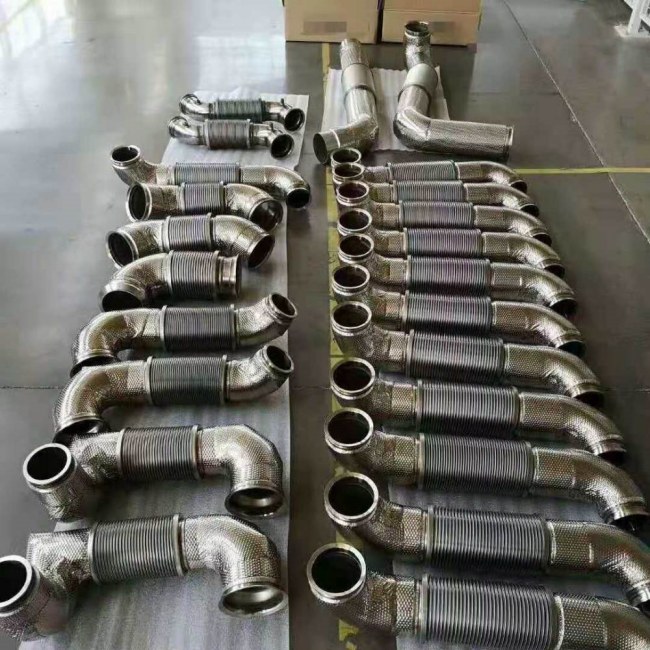
تُصنع الدروع المختومة لتناسب هندسة المركبة، وعادةً ما تُثبّت باستخدام دعامات أو براغي أو مشابك. عند تصميمها بشكل صحيح، فإنها تحافظ على فجوة هوائية وتحمي المكونات المجاورة من الحرارة الإشعاعية. إذا كنت بحاجة إلى أشكال مقطوعة حسب الطلب أو أجزاء مُشكّلة، فراجع إمكانيات مخصصة .
في حالات الأحمال الحرارية العالية، يُستخدم الفولاذ المقاوم للصدأ غالبًا مع مواد عازلة (مواد مركبة من الألياف الزجاجية/السيليكا/الهلام الهوائي، حسب متطلبات التصميم). تُحسّن طبقة الفولاذ المقاوم للصدأ المتانة وسهولة الاستخدام، بينما تُقلل المواد العازلة من انتقال الحرارة. في مناطق العادم ذات التدفق العالي، يُنصح باستخدام دروع واقية مع عزل المصدر، مثل... حلول عزل العادم .
اقتراح الصورة رقم 2
استخدم هذه القواعد لاختيار الخيار الصحيح مادة درع حراري من الفولاذ المقاوم للصدأ لطلبك:
غالباً ما يكون الحفاظ على فجوة هوائية مناسبة هو الفرق بين "تحسن طفيف" و"تحسن كبير". يمكن أن يساعد الفولاذ المقاوم للصدأ المنقوش/المُقعّر في الحفاظ على المسافة في الأماكن الضيقة للتغليف.
تتعرض واقيات الحرارة السفلية للتلف عند فقدانها شكلها أو ارتخائها أو تآكلها. لذا، اختر هيكلاً من الفولاذ المقاوم للصدأ وطريقة تثبيت تضمن ثباتها. وللحصول على تثبيت محكم والتحكم في الحواف، أشرطة وحواجز عازلة للحرارة يمكن أن يدعم الإغلاق والحماية الموضعية حسب المنطقة الحرارية.
يحمي التدريع الحراري الأجزاء المجاورة؛ ويقلل عزل المصدر من درجة الحرارة عند نقطة المصدر. للتحكم في درجة حرارة التوربو أو أنبوب العادم أو سطح الأنبوب، ابدأ بـ حلول عزل العادم ثم أضف درعًا من الفولاذ المقاوم للصدأ حيث يجب منع وصول الحرارة الإشعاعية إلى المكونات الحساسة.
نعم. يتميز الفولاذ المقاوم للصدأ بمتانته في البيئات أسفل الهيكل، كما أنه مقاوم للتآكل والاهتزاز. وتتحقق أفضل النتائج من خلال التصاميم التي تحافظ على فجوة هوائية وتستخدم هياكل متعددة الطبقات عند ارتفاع الأحمال الحرارية.
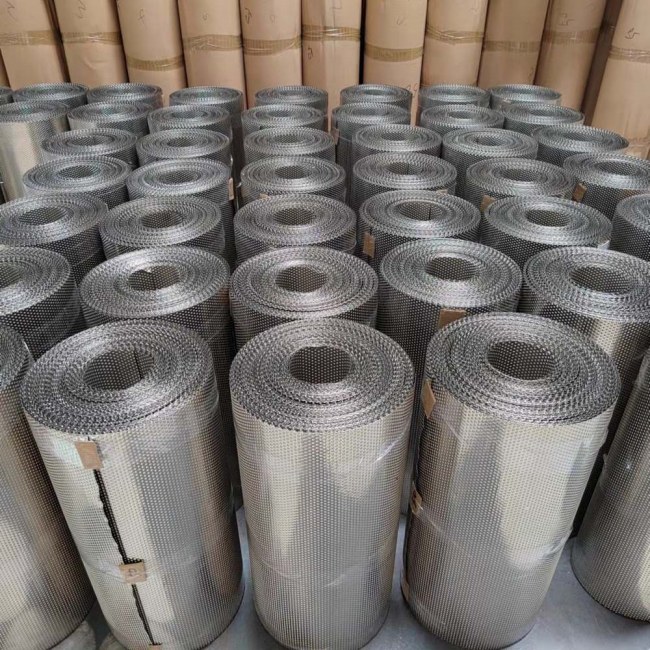
يُحسّن النقش البارز الصلابة ويساعد في الحفاظ على التباعد. وهذا يدعم حماية حرارية أكثر استقرارًا في ظل الاهتزازات والتغيرات الحرارية، خاصةً عندما تكون العبوة محكمة الغلق.
يحمي التدريع الحراري الأجزاء المجاورة من الحرارة الإشعاعية. ويقلل عزل العادم من الحرارة عند مصدرها. في المناطق شديدة الحرارة، يُعد الجمع بين الاثنين هو النهج الأكثر موثوقية: استخدم حلول عزل العادم ثم أضف طبقة واقية من الفولاذ المقاوم للصدأ عند الضرورة.
إذا كانت الخراطيم أو الأسلاك تمر بالقرب من العادم، فأضف حماية حرارية مخصصة مثل أكمام واقية من الحريق لحماية الحواف الموضعية، استخدم مواد مناسبة أشرطة وحواجز عازلة للحرارة حيثما ينطبق ذلك.
أرسل تفاصيل طلبك (درجة حرارة مصدر الحرارة، والمسافة الآمنة، وطريقة التركيب، ومنطقة التغطية المستهدفة). سنوصي بهيكل عملي لحماية العادم من الحرارة، وسنقدم لك الوثائق الفنية الداعمة.

No.10, Chuangxin North Road, Nanshan Park, Ningguo Economic and Technological Development Zone, Ningguo City, Anhui Province, China
هاتف/Whatsapp : 0086-15856303740
البريد الإلكتروني : sales@bstbraidedsleeve.com
Skype : vanesa-cheng