عن ماذا تبحث?
تُعدّ أنظمة العادم من أكثر مصادر الحرارة تركيزًا في المركبات أو محركاتها. ولا يمكن أن تعمل رؤوس العادم، والمشعبات، وأنابيب العادم إلا على مسافة قصيرة من الأسلاك الكهربائية، والخراطيم، والمستشعرات، وألواح الهيكل، ومكونات نظام السحب. وعندما تكون المساحة محدودة، يصبح التحكم في هذه الحرارة جزءًا أساسيًا من تصميم النظام، وليس مجرد إضافة اختيارية.
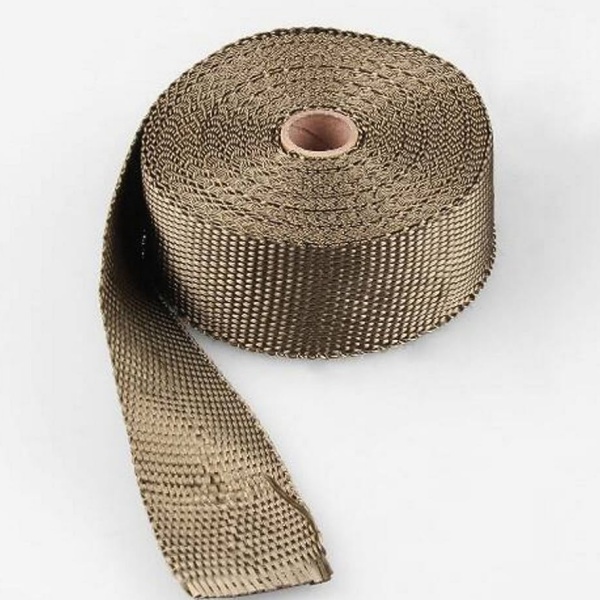
غلاف العادمتُعد هذه إحدى أبسط الطرق لوضع العزل الحراري مباشرة على الأنبوب الساخن.
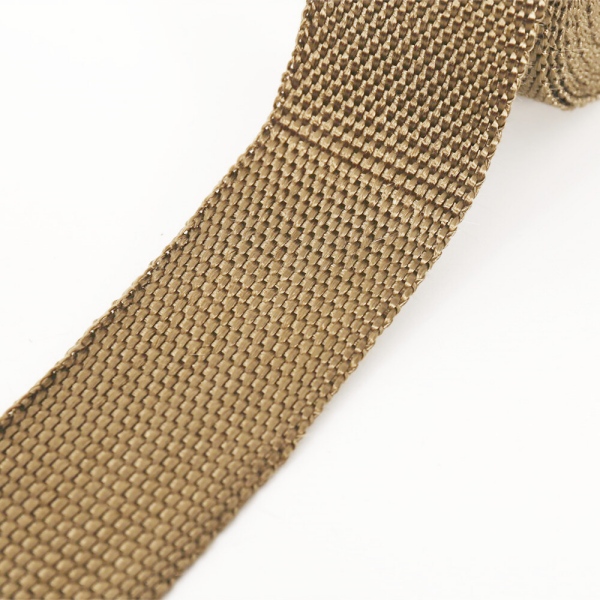
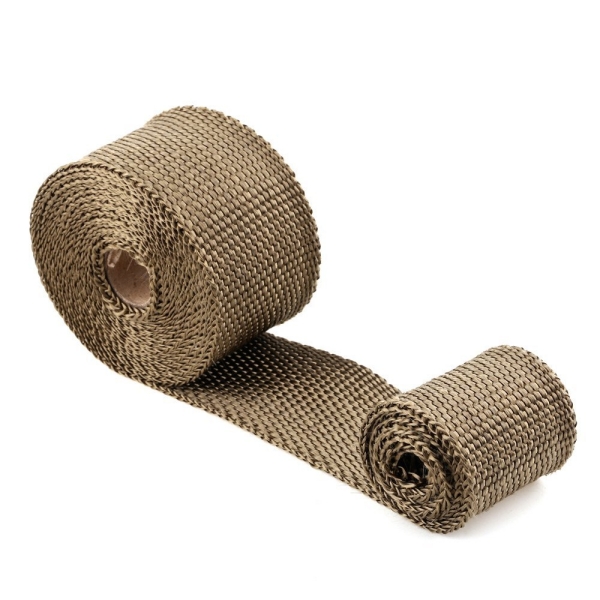
ويوصف أيضًا بأنهغلاف عازل حراري للعادم، غلاف أنبوب العادم، غلاف مشعب العادمأو غلاف عازل للعادم، وهو عبارة عن نسيج عالي الحرارة يُلف حول أنابيب العادم في طبقات متداخلة. تتوفر أنظمة ألياف مختلفة لتناسب نطاقات درجات الحرارة وبيئات التشغيل المختلفة.
تقوم شركة BSTFLEX بتصنيع مجموعة واسعة منغلاف عازل للحرارة للعادم والمجمعلإدارة الحرارة في عوادم السيارات والدراجات النارية ورياضة السيارات ومحركات الديزل والسفن والصناعات.
تتمثل الوظيفة الرئيسية لغلاف العادم في الاحتواء الحراري.
ينقل أنبوب العادم المكشوف الحرارة إلى محيطه عن طريق الإشعاع والحمل الحراري. ويضيف تغليف الأنبوب طبقة عازلة من النسيج بين المعدن الساخن والمكونات المجاورة.
يمكن أن يساعد اختيار الغلاف المناسب في:
تقليل الحرارة الإشعاعية حول أنابيب العادم؛
الحد من تعرض الخراطيم والأسلاك وأجهزة الاستشعار للحرارة؛
تقليل انتقال الحرارة باتجاه الأرضيات والجدران الفاصلة؛
تحسين التحكم الحراري في حجرات المحرك المزدحمة؛
حماية المشغلين من التلامس العرضي مع الأسطح الساخنة؛
الاحتفاظ بمزيد من الطاقة الحرارية داخل نظام العادم.
هذه النقطة الأخيرة هي السبب في استخدام غلاف عازل حراري للعادم على نطاق واسع حول رؤوس العادم وأنابيب العادم الخاصة بالشاحن التوربيني.
مع ذلك، لا ينبغي اعتبار غلاف العادم مادة إصلاح شاملة. فالغلاف الحراري القياسي مُصمم لإدارة الحرارة وليس لسد الأنابيب المتشققة أو إصلاح تسريبات العادم.
اختيارغلاف أنبوب العادميُعدّ الاعتماد على اللون أو العرض فقط خطأً شائعاً.
يعتمد أداء التركيب النهائي على عدة عوامل تعمل معًا:
| عامل الاختيار | لماذا يهم ذلك |
|---|---|
| درجة حرارة العادم | يحدد نظام الألياف المطلوب |
| قطر الأنبوب | يؤثر على عرض اللفة وطول اللفة المطلوب |
| هندسة العادم | تتطلب الانحناءات الضيقة والمجمعات مرونة أكبر |
| تداخل | يؤثر على سمك العزل واستهلاك المواد |
| التعرض للرطوبة | مهم للاستخدامات على الطرق والبحرية والخارجية |
| تلوث النفط والوقود | قد يؤثر على العمر الافتراضي طويل الأجل |
| اهتزاز | يؤثر على المتانة وطريقة التثبيت |
| وتيرة الصيانة | قد لا يكون الغلاف الدائم مناسبًا للمكونات التي يتم إزالتها بانتظام |
لهذا السبب، قد لا يكون أفضل غلاف عادم لأنبوب عادم دراجة نارية هو المادة المناسبة لأنبوب عادم توربو أو أنبوب عادم ديزل صناعي.
لا تزال الألياف الزجاجية واحدة من أكثر المواد استخدامًا على نطاق واسع لعزل أنظمة العادم العامة.
يتميز هذا الغلاف بمرونته واقتصاديته، ويمكن نسجه على شكل أشرطة ضيقة تتلاءم جيدًا مع الانحناءات ومناطق انتقال الأنابيب. ويُستخدم غلاف الألياف الزجاجية عادةً في:
رؤوس عادم السيارات ذات السحب الطبيعي؛
أنابيب عادم الدراجات النارية؛
أنابيب التجميع؛
أنابيب العادم العامة؛
أنابيب صناعية ذات درجات حرارة متوسطة إلى عالية.
تقدم شركة BSTFLEX العديد من المنتجات المصنوعة من الألياف الزجاجية، بما في ذلكغلاف عازل حراري أسود احترافي للعادم، والذي يجمع بين طبقة عازلة من الألياف الزجاجية عالية الحرارة وهيكل خارجي من الفولاذ المقاوم للصدأ لتوفير حماية إضافية ضد التآكل والصدمات.
غالباً ما تكون الألياف الزجاجية هي نقطة البداية للتطبيقات التي تكون فيها التكلفة والمرونة والتحكم العملي في الحرارة أكثر أهمية من القدرة القصوى على تحمل درجات الحرارة.
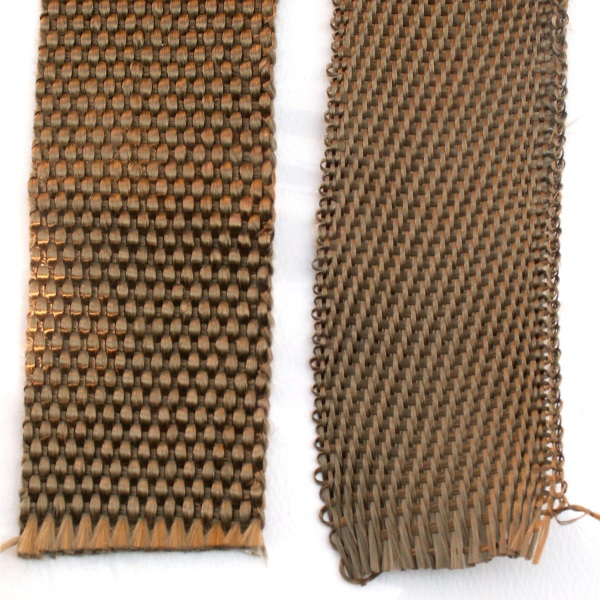
على المدىغلاف عادم من التيتانيوميُستخدم على نطاق واسع في سوق السيارات عالية الأداء، ولكنه لا يعني عادةً أن الغلاف يحتوي على التيتانيوم المعدني.
يتم تصنيع هذا النوع من المنتجات بشكل عام من ألياف مشتقة من البازلت أو الصخور البركانية.
تتميز ألياف البازلت بمرونة جيدة، ومقاومة للحرارة، ومقاومة للتغيرات الحرارية المتكررة. وغالبًا ما يتم اختيارها للأغراض التالية:
رؤوس الأداء؛
أنابيب العادم التوربينية؛
أنظمة عادم الدراجات النارية؛
أنظمة عادم السباقات؛
تتعرض المنشآت لدرجات حرارة أعلى من تطبيقات الألياف الزجاجية التقليدية.
بي إس تي فليكسغلاف أنبوب العادم من التيتانيوم الأسوديُصنع هذا المنتج من ألياف مشتقة من الصخور البركانية، وهو متوفر بأطوال وعروض مختلفة. وتصنفه شركة BSTFLEX كمنتج مناسب للتعرض المباشر للحرارة حتى 1800 درجة فهرنهايت، مع قدرة عالية على تحمل درجات الحرارة المتقطعة.
لا تقتصر الميزة العملية للغلاف المصنوع من البازلت على قدرته على تحمل درجات الحرارة العالية فحسب، بل يتميز أيضاً بمرونته الكافية لمواكبة انحناءات أنابيب العادم والمجمعات دون الحاجة إلى نظام عزل صلب.
عندما تتجاوز درجات حرارة العادم النطاق العملي للألياف الزجاجية القياسية، تصبح المنسوجات عالية السيليكا خيارًا أكثر ملاءمة.
تحتوي ألياف السيليكا على نسبة سيليكا أعلى بكثير من ألياف الزجاج الإلكتروني التقليدية، وتستخدم في الأماكن التي يكون فيها التعرض المستمر لدرجات الحرارة العالية أكثر تطلبًا.
تقوم شركة BSTFLEX بتصنيعغلاف عازل حراري عالي الحرارة لعادم رأس العادممصنوع من خيوط السيليكا غير المتبلورة ذات الملمس الخاص. المنتج مصمم لتحمل درجات حرارة تصل إلى 2000 درجة فهرنهايت.
تشمل التطبيقات النموذجية ما يلي:
أنظمة العادم المزودة بشاحن توربيني؛
محركات سباق عالية الأداء؛
exhaust manifolds;
high-temperature headers;
industrial exhaust lines;
severe thermal zones where fiberglass may not provide enough temperature margin.
Silica wrap should therefore be considered when the design requirement is driven primarily by temperature rather than cost.
Some exhaust systems require more than simple woven fiber insulation.
Dust generation, surface abrasion, moisture exposure and installation cleanliness may also matter.
For these applications, composite constructions can provide additional properties.
The BSTFLEXSilicone Exhaust Wrap Composite Fiberglass & Silicone Laggingcombines a fiberglass insulation structure with a silicone outer treatment. The coating helps contain loose fibers and creates a more durable, cleaner external surface for applications where an exposed untreated textile is less desirable.
This type of construction can be useful on diesel engines, industrial pipework and equipment where durability and handling characteristics are important alongside thermal insulation.
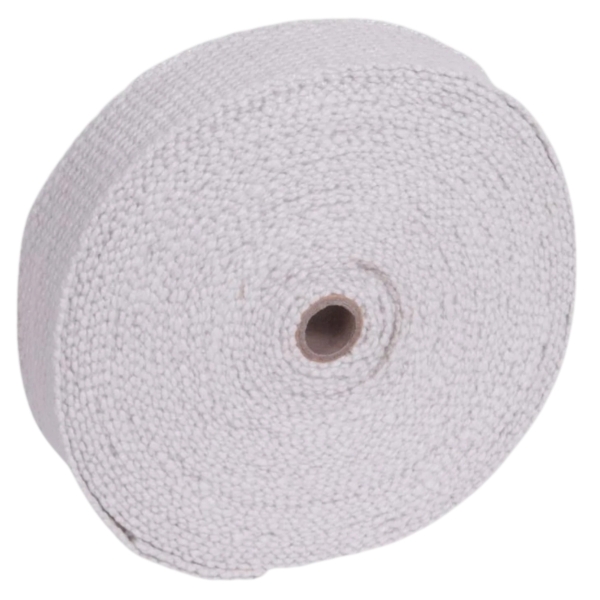
Headers are one of the most common locations forheader wrap.
Individual primary tubes create a large heated surface area, and they often pass close to ignition wiring, brake lines and other heat-sensitive components.
Flexible wrap can follow each primary tube much more easily than a rigid metal shield.
Cast or fabricated exhaust manifolds may also benefit from thermal containment, particularly in compact engine bays.
However, very irregular manifold shapes may be better suited to a removable insulation blanket rather than conventional spiral wrap.
A turbocharger downpipe can be one of the hottest exhaust components outside the turbine housing itself.
Using high-temperatureexhaust heat wraparound a downpipe can reduce radiant heat reaching:
intake piping;
wiring;
brake systems;
bulkheads;
transmission tunnels;
nearby body structures.
For severe turbo applications, basalt or silica materials are generally more relevant than entry-level fiberglass wrap.
Motorcycles expose exhaust headers close to the rider and surrounding bodywork.
For this reason,motorcycle exhaust wrapis used for both thermal management and surface-contact protection.
Fiberglass and basalt-based wraps are commonly selected depending on the temperature and desired appearance.
Diesel engines and generators often operate for long periods under sustained load.
In these systems, exhaust insulation is primarily about:
personnel protection;
nearby equipment protection;
compartment temperature control;
reduction of radiant heat.
Larger industrial systems may use wrap, lagging, removable blankets or combinations of these technologies.
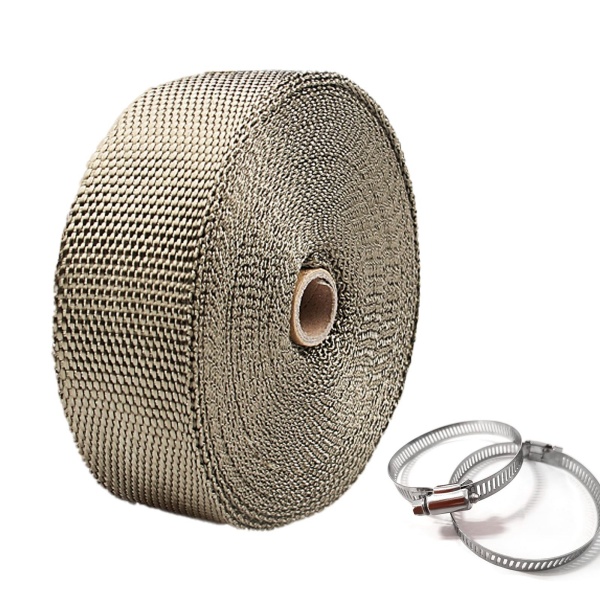
Both products insulate exhaust components, but their construction and installation are different.
Exhaust wrapis installed by winding narrow textile tape around the pipe.
It is best suited to:
headers;
long straight pipe sections;
small-diameter exhaust tubes;
collectors;
downpipes;
motorcycle exhaust systems.
Anexhaust insulation blanketis a preformed textile assembly designed to fit a specific component.
Blankets are more appropriate for:
turbochargers;
large manifolds;
silencers;
large-diameter exhaust pipe;
components that require regular service access.
If the component must be removed frequently, a reusable blanket may be more practical than permanently wrapped tape.
A metal heat shield works differently.
Instead of placing insulation directly against the exhaust pipe, a metal shield normally reflects or blocks radiant heat with an air gap between the hot component and the shield.
This makes metal heat shields useful where:
airflow is available;
the hot component must remain exposed;
service access is important;
direct pipe insulation is not desirable.
Exhaust wrap is generally easier to install around complicated tubing geometry, while a rigid heat shield can be more appropriate when controlling directional radiant heat.
BSTFLEX supplies both textile wraps andexhaust heat shield insulation, allowing the thermal protection method to be matched to the actual installation rather than forcing every system into the same solution.
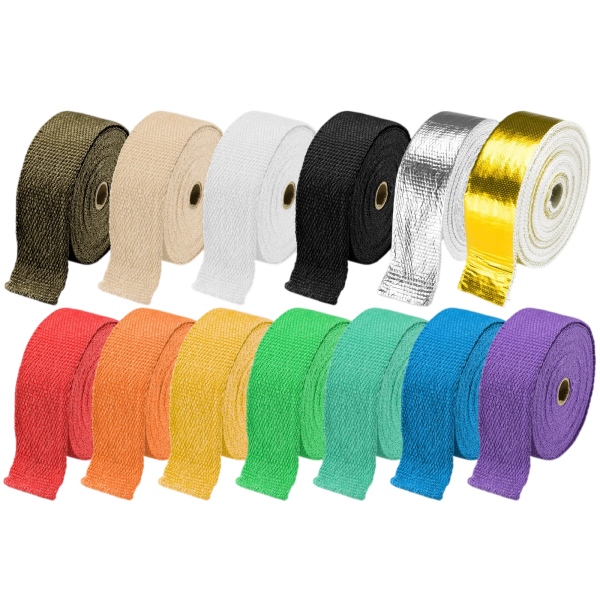
A useful selection process starts with five questions.
Do not select material only from engine horsepower or vehicle type.
Consider both:
continuous operating temperature;
short-duration peak temperature.
A naturally aspirated street engine, turbocharged racing vehicle and industrial diesel generator can have very different thermal requirements.
Stainless steel, mild steel and other exhaust alloys respond differently to repeated heat cycles and moisture exposure.
The pipe condition should also be inspected before wrapping.
Do not cover corrosion, cracks or damaged welds simply to hide them.
A narrow, flexible wrap is useful around:
tight-radius bends;
small motorcycle headers;
complex collectors.
Wider wrap covers straight pipe more quickly but can be harder to position around complicated geometry.
Road vehicles, marine equipment and industrial engines may encounter:
water;
mud;
salt;
oil;
fuel;
dust.
These factors should be considered when choosing both the wrap and any surface treatment.
If the pipe or component needs frequent inspection, a removable jacket or blanket may reduce maintenance time.
BSTFLEX also manufacturesHigh Velocity Jacket Exhaust System Wrap, a jacket-style approach for applications where conventional spiral wrapping is not the preferred installation method.
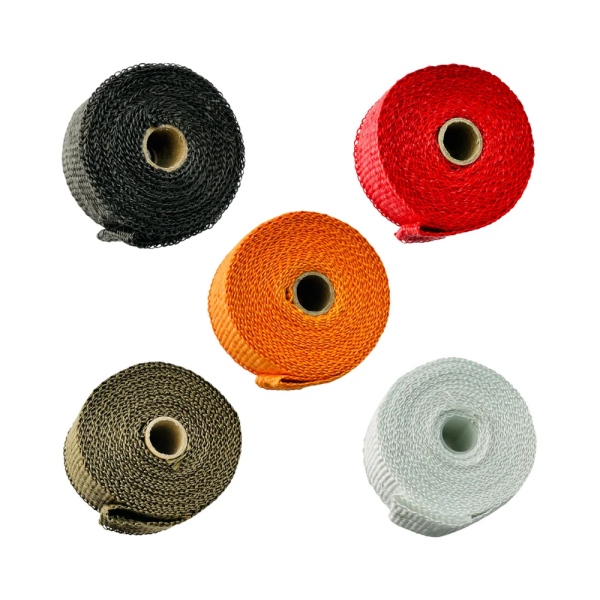
Two widths dominate many automotive installations:
1 inch wrap
Better suited to:
small-diameter tubing;
tight bends;
compact motorcycle headers;
complex collectors.
2 inch wrap
Better suited to:
longer straight exhaust pipes;
larger headers;
downpipes;
applications where faster installation is important.
BSTFLEX also manufactures wider exhaust wrap formats for large-diameter pipes and industrial installations.
The correct width should therefore be selected according to pipe diameter and geometry rather than assuming wider wrap is always better.
Even the correct exhaust wrap can perform poorly if installed incorrectly.
A typical installation involves:
Inspecting and cleaning the exhaust pipe.
Determining the starting point and wrap direction.
Maintaining a consistent overlap.
Working progressively around bends without creating large gaps.
Securing the beginning and end using stainless-steel ties or clamps.
Checking nearby brackets, sensors and moving components.
Re-inspecting the installation after the first thermal cycles.
The exact overlap should follow the product specification and application requirement.
Too little overlap may leave uneven thermal coverage.
Excessive overlap consumes more material and creates unnecessary thickness.
There is no single roll length that fits every exhaust system.
Material consumption depends on:
pipe outside diameter;
total pipe length;
wrap width;
overlap percentage;
number of bends;
collector geometry;
whether multiple layers are required.
For an OEM or production project, the better approach is to calculate material use from an actual drawing, pipe sample or installation specification rather than estimating from vehicle type alone.
BSTFLEX supports custom roll widths and lengths for volume projects where standard retail-sized rolls are inefficient.
Exhaust wrap is effective thermal insulation, but it has limits.
It does not replace:
repair welding;
exhaust leak repair;
damaged flange replacement;
structural pipe repair;
proper heat shielding around extremely sensitive components;
routine inspection of the exhaust system.
It should be treated as part of an engineered thermal management system.
For some installations, the best solution may combine:
exhaust wrap;
removable insulation blankets;
reflective barriers;
metal heat shields;
protective sleeves for nearby wiring and hoses.
| Exhaust Application | Common Material Direction |
|---|---|
| General automotive header | Fiberglass |
| Motorcycle exhaust | Fiberglass or basalt |
| Performance header | Basalt / titanium-style |
| Turbo downpipe | Basalt or silica |
| Extreme-temperature header | Silica |
| Industrial exhaust pipe | Fiberglass, silica or composite |
| Diesel engine exhaust | Fiberglass, silica or silicone composite |
| High-abrasion area | Reinforced or composite construction |
The final choice should always be based on actual temperature, environment and installation design.
For manufacturers and distributors, exhaust wrap specification goes beyond choosing a fiber type.
Production requirements may include:
non-standard widths;
specific roll lengths;
private-label packaging;
custom colors;
material identification;
stainless-steel fixing ties;
application-specific constructions;
sample-based development.
BSTFLEX manufactures exhaust thermal protection products for OEM, distributor and industrial applications and can develop specifications around the exhaust system rather than supplying only fixed retail configurations.
Explore the completeBSTFLEX Exhaust and Header Heat Wrap rangefor fiberglass, basalt, silica, composite and specialty exhaust insulation products.
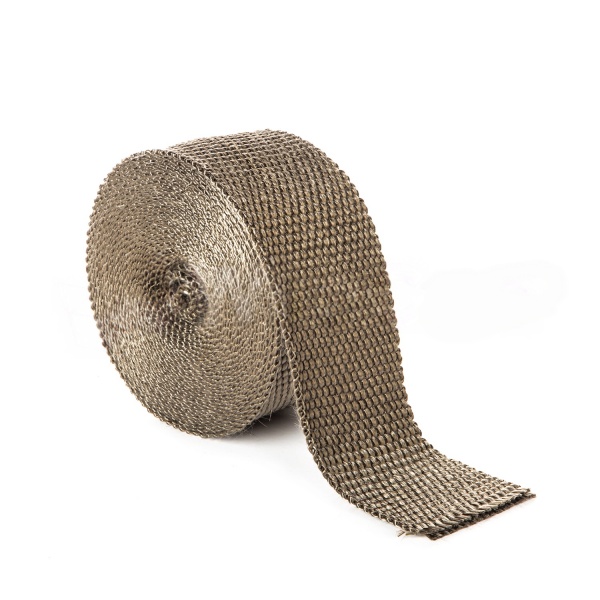
Exhaust wrap is a woven high-temperature insulation tape installed directly around exhaust pipes, headers, manifolds or downpipes to reduce radiant heat and improve thermal containment.
In most automotive and industrial applications, the terms refer to the same general product family. “Exhaust heat wrap” emphasizes its thermal insulation function, while “exhaust wrap” is the broader commercial term.
لا توجد مادة واحدة هي الأفضل. الألياف الزجاجية مناسبة للعديد من التطبيقات العامة، ويتم اختيار البازلت عادةً للأنظمة عالية الأداء، أما غلاف السيليكا العالي فهو مناسب للتعرض لدرجات حرارة أكثر قسوة.
نعم. تُعدّ أنابيب العادم السفلية من التطبيقات الشائعة لتغليف العادم المقاوم للحرارة العالية. يجب اختيار المادة وفقًا لدرجات حرارة العادم الفعلية المستمرة والقصوى.
عادةً لا. المنتجات التي يتم تسويقها على أنها أغلفة عادم من التيتانيوم مصنوعة في الغالب من ألياف مشتقة من البازلت أو الصخور البركانية بدلاً من التيتانيوم المعدني.
لا. غلاف العادم الحراري القياسي مخصص لإدارة الحرارة، وليس لإصلاح الأنابيب الهيكلية أو التسريبات.
بشكل عام، يكون تركيب الغلاف الضيق أسهل حول الأنابيب ذات القطر الصغير والانحناءات الضيقة، بينما يكون تركيب الغلاف الأوسع أسرع على أنابيب العادم الأكبر أو الأكثر استقامة.

No.10, Chuangxin North Road, Nanshan Park, Ningguo Economic and Technological Development Zone, Ningguo City, Anhui Province, China
هاتف/Whatsapp : 0086-15856303740
البريد الإلكتروني : sales@bstbraidedsleeve.com
Skype : vanesa-cheng