عن ماذا تبحث?
يمكن أن يتسبب أنبوب العادم الساخن في مشكلة حرارية أكبر بكثير مما يوحي به قطره.
في المركبات، أو حجرات المولدات، أو غرف محركات السفن، أو الآلات الصناعية، قد لا يفصل الأنبوب سوى بضعة سنتيمترات عن الأسلاك الكهربائية، أو الخراطيم الهيدروليكية، أو خطوط الوقود، أو ألواح الهيكل، أو أجهزة الاستشعار، أو مناطق الصيانة. وبمجرد وصول نظام العادم إلى درجة حرارة التشغيل، قد تصبح هذه المسافة الضئيلة نقطة حرجة في التصميم الحراري برمته.
هذا هو المكانعزل أنبوب العادميصبح ذلك ضرورياً.
لا يقتصر دور نظام العزل الصحيح على تغطية الأنابيب الساخنة فحسب، بل يجب أن يتحكم في الحرارة مع تحمله للاهتزازات، والتغيرات الحرارية المتكررة، والتلوث، والحركة، والصيانة.
لهذا السبب، نادراً ما يكون اختيار العزل بناءً على تصنيف درجة الحرارة وحده كافياً.
تقوم شركة BSTFLEX بتطويرعازل واقي حرارة العادملأنظمة العادم الخاصة بالسيارات، والديزل، والسفن، والمولدات، والأنظمة الصناعية، بما في ذلك أغطية الأنابيب القابلة للإزالة، والعزل، واللفائف الحرارية، والأكمام المرنة، والحواجز الحرارية المعدنية.
قبل اختيار مادة العزل، حدد المشكلة التي تحتاج إلى حل.
قد يحتاج أنبوب العادم إلى عزل للأسباب التالية:
هناك سخونة زائدة في مجموعة الأسلاك القريبة؛
درجة حرارة الحاوية مرتفعة للغاية؛
يتعرض المشغلون لأسطح ساخنة؛
تصل الحرارة إلى خط الوقود أو خط الهيدروليك؛
تتعرض أرضية السيارة لحرارة إشعاعية مفرطة؛
غرفة المحرك بها تهوية غير كافية؛
يجب أن يحتفظ أنبوب العادم بمزيد من الحرارة في اتجاه مجرى الهواء؛
لا يمكن للمعدات المحيطة تحمل درجة الحرارة الحالية.
هذه مشاكل مختلفة.
قد تتطلب أنظمة عزل مختلفة حتى عندما تكون درجة حرارة أنبوب العادم متطابقة.
فعلى سبيل المثال، قد يفضل حماية أرضية السيارة من الحرارة الإشعاعية استخدام درع عاكس، بينما قد يتطلب خفض درجة حرارة السطح الخارجي لأنبوب عادم المولد استخدام بطانية عازلة سميكة قابلة للإزالة.
تندرج عزلات أنابيب العادم عموماً ضمن أربع فئات عملية.
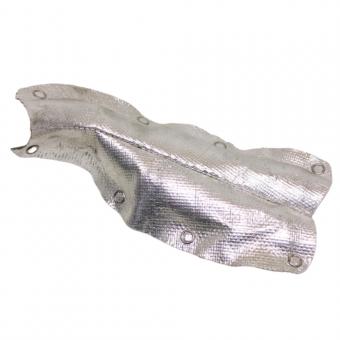
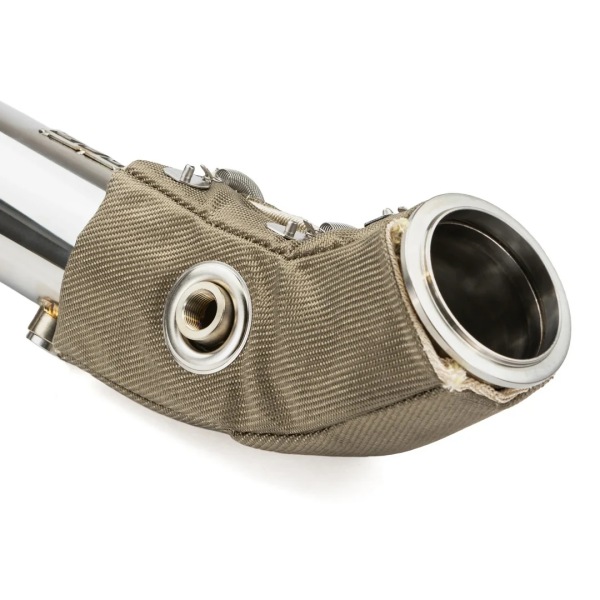
يتم تصنيع غطاء قابل للإزالة ليناسب قطر أنبوب معين أو شكل عادم معين.
يحتوي عادةً على:
طبقة داخلية مقاومة للحرارة؛
العزل الحراري؛
طبقة واقية خارجية؛
التثبيت الميكانيكي.
يُعد هذا التصميم مناسبًا بشكل خاص عندما تكون إمكانية الوصول للصيانة أمرًا بالغ الأهمية.
تشمل التركيبات النموذجية ما يلي:
مولدات الديزل؛
محركات بحرية؛
المحركات الصناعية؛
أنابيب عادم كبيرة؛
كاتمات الصوت؛
ركّب أكواعاً للتنفس.
يمكن تصنيع الغطاء على شكل عدة أقسام بدلاً من قطعة واحدة طويلة، مما يسمح للفنيين بإزالة القسم المطلوب فقط للفحص.
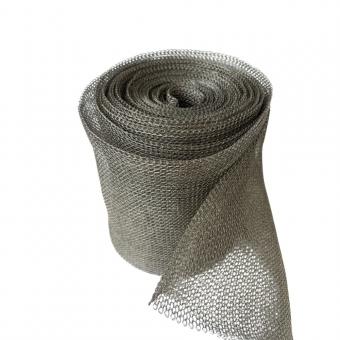
يتم توفير غلاف العادم على شكل لفائف ويتم لفه بشكل حلزوني حول الأنبوب.
يُستخدم على نطاق واسع من أجل:
رؤوس عادم السيارات؛
الدراجات النارية؛
أنظمة عادم عالية الأداء؛
أنابيب عادم ذات قطر صغير؛
تصنيع أنظمة العادم حسب الطلب.
توريدات BSTFLEXغلاف عازل للحرارة للعادم والمجمعفي تركيبات ألياف مختلفة تتحمل درجات الحرارة العالية.
يوفر الغلاف طريقة بسيطة لعزل الأسطح الأنبوبية الطويلة، ولكنه أقل ملاءمة عندما يتعين فتح نظام العادم بانتظام للصيانة.
تتطلب بعض خطوط العادم حلاً من نوع الغلاف بدلاً من غطاء مصنوع.
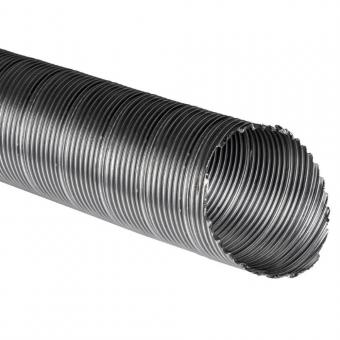
يمكن تركيب العزل المرن فوق أنابيب العادم الصغيرة حيث يكون القطر والشكل الهندسي بسيطين نسبياً.
على سبيل المثال، BSTFLEXعازل عادم سخان الديزلتم تصميمه لأنابيب العادم المدمجة المستخدمة في تطبيقات مثل أنظمة التدفئة التي تعمل بالديزل.
يمكن أن تكون حلول الأكمام والبطانات مفيدة بشكل خاص في الحالات التالية:
مساحة التركيب محدودة؛
الأنبوب صغير نسبياً؛
التغطية المستمرة مطلوبة؛
سيكون تركيب الدرع الصلب أمراً صعباً.
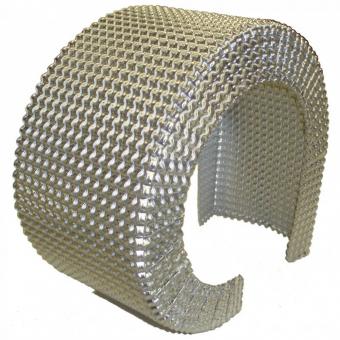
لا يشترط أن يلامس الغطاء المعدني الأنبوب.
بدلاً من ذلك، يتم تركيبه عادةً مع وجود فجوة مضبوطة بين الدرع ومصدر الحرارة.
يُعد هذا الترتيب فعالاً بشكل خاص في تقليل الحرارة الإشعاعية باتجاه المكونات القريبة.
تشمل المواد الشائعة ما يلي:
الألومنيوم؛
الفولاذ المقاوم للصدأ؛
الفولاذ المقاوم للصدأ المنقوش؛
سبائك النيكل.
قد يكون استخدام واقي حراري معدني أفضل في الحالات التالية:
يجب أن يظل سمك التركيب منخفضًا؛
تُعد مقاومة الصدمات الميكانيكية أمراً مهماً؛
يجب أن يحتفظ الدرع بشكل محدد؛
الحرارة الإشعاعية هي الشاغل الرئيسي.
كما تقوم شركة BSTFLEX بتصنيع منتجات للبيئات القاسيةواقي حراري من سبيكة إنكونيل 625عناصر.
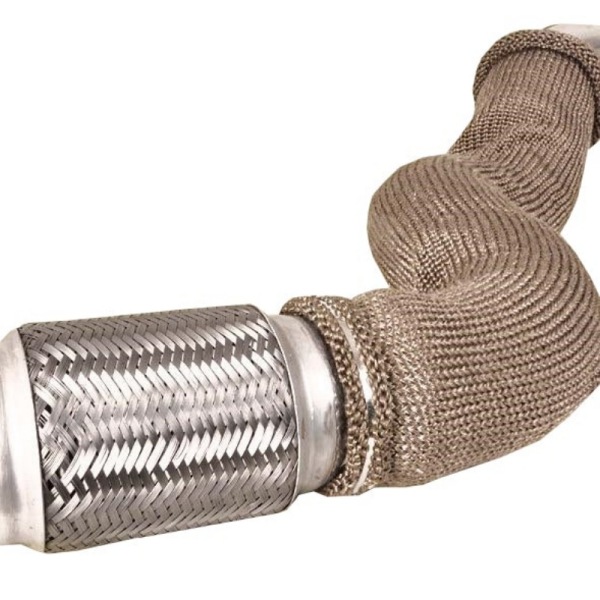
غالباً ما تُستخدم هذه المصطلحات بشكل متبادل، لكن وظيفتها الهندسية قد تختلف.
عزل أنابيب العادميحيط عادةً بالأنبوب ويحد من انتقال الحرارة عبر طبقة عازلة.
أنواقي حراري لأنبوب العادمعادةً ما يوضع بين الأنبوب والمكون الذي يحتاج إلى الحماية.
يحتوي أحدهما على حرارة.
أما الآخر فيقوم بحظره أو إعادة توجيهه.
في بعض أنظمة العادم، يتم استخدام كليهما.
قد يحتوي محرك الديزل على غطاء عازل قابل للإزالة حول أنبوب العادم، بينما يحمي درع من الفولاذ المقاوم للصدأ صندوقًا كهربائيًا قريبًا.
That combination can provide better thermal control than either solution alone.
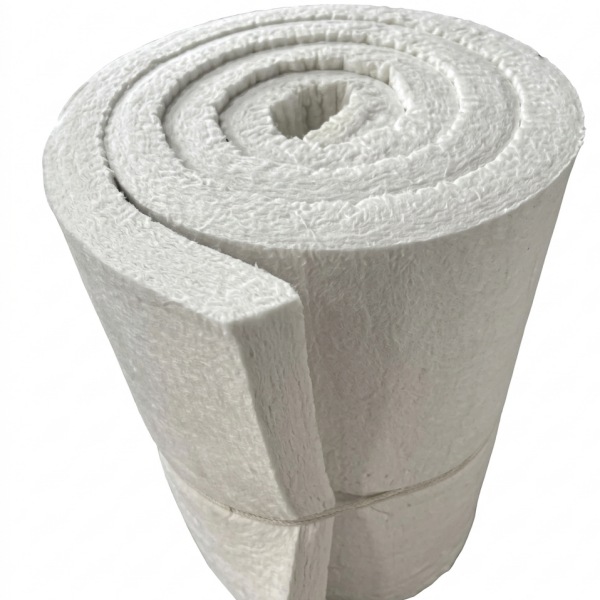
Material selection should begin with continuous operating conditions.
Fiberglass is one of the most widely used materials for exhaust insulation.
Advantages include:
flexibility;
good thermal resistance;
availability in many constructions;
practical manufacturing cost.
Fiberglass can be used in:
blankets;
tapes;
wraps;
sleeves;
composite heat shields.
It is often suitable for moderate and high-temperature exhaust applications where extreme temperature exposure is not continuous.
High silica material is selected when higher heat resistance is required.
It may be used as:
outer fabric;
inner hot-side layer;
insulation textile;
heat-resistant wrap.
Silica constructions are useful around:
turbocharged exhaust systems;
manifolds;
high-output diesel engines;
industrial exhaust equipment.
Basalt-based materials are frequently used in automotive and performance exhaust insulation.
They offer:
flexible installation;
strong heat resistance;
good compatibility with wrapped exhaust tubes.
Basalt is often seen in heat wrap and shaped blanket applications.
Where a greater temperature reduction is required within limited space, high-temperature insulation cores may be used.
These materials are normally enclosed within:
fiberglass fabric;
silica fabric;
stainless steel foil;
stainless steel mesh.
The insulation core should not be evaluated separately from the blanket construction.
Aluminum is primarily used as a reflective surface rather than a thick insulation medium.
Its low weight makes it particularly suitable for:
automotive underbody protection;
exhaust pipe heat shields;
muffler shields;
vehicle floor insulation.
Stainless steel is preferred where the exhaust heat shield also requires mechanical strength.
It performs well in applications exposed to:
vibration;
road debris;
repeated thermal cycling;
higher temperatures.
Nickel alloys such as Alloy 625 are reserved for demanding environments where temperature, oxidation and corrosion requirements exceed the limits of conventional sheet metals.
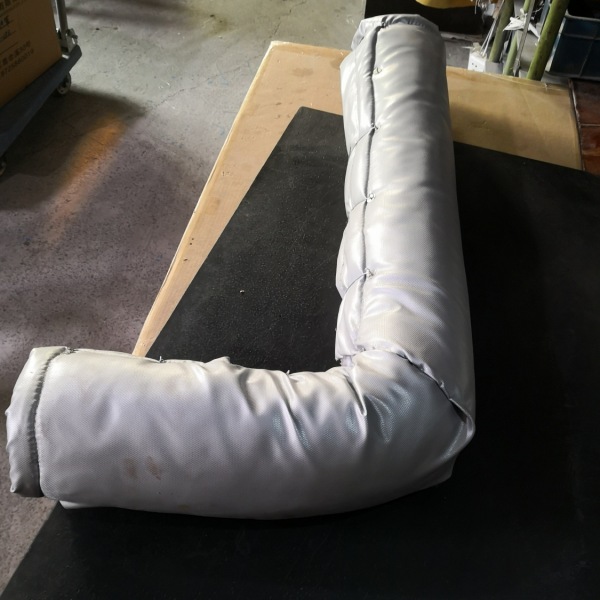
A thicker insulation layer generally reduces heat transfer more effectively, but this does not mean the thickest available blanket is automatically the best design.
Increasing thickness can create problems with:
component clearance;
mounting brackets;
adjacent pipe routing;
sensor access;
engine compartment packaging.
In tightly packaged automotive systems, only a few millimeters of space may be available.
In a large generator enclosure, considerably thicker insulation may be practical.
The correct insulation thickness should therefore balance thermal performance with installation geometry.
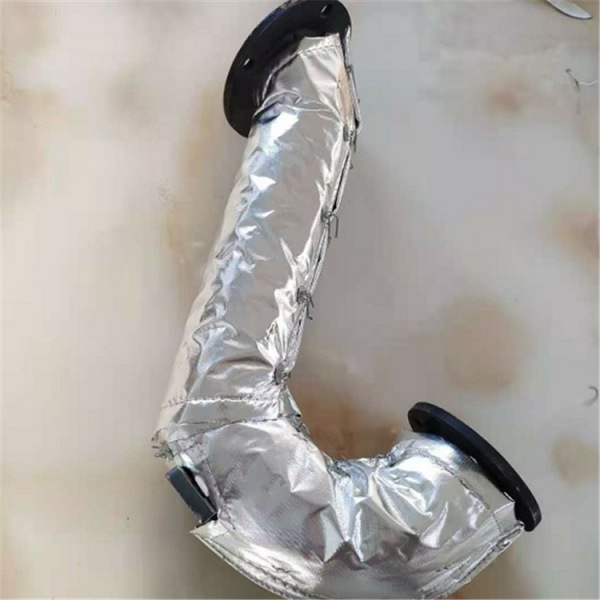
Diesel exhaust pipes frequently operate for long periods under load.
Heat containment becomes especially important in:
trucks;
construction equipment;
agricultural machinery;
industrial engines;
stationary power systems.
A removablediesel exhaust pipe insulationsystem can reduce heat released into the surrounding engine compartment while still allowing service access.
Generator exhaust piping often runs through compact acoustic enclosures.
This creates a concentrated heat source close to:
electrical cabinets;
acoustic materials;
engine components;
service areas.
A generator exhaust insulation system commonly uses removable sections around pipes, elbows and silencers.
This also allows the insulation to be removed during maintenance without replacing the entire system.
Marine exhaust systems present additional concerns including:
limited ventilation;
moisture;
salt exposure;
vibration;
restricted service space.
For dry marine exhaust systems, segmented blankets are often preferred because they allow easy access to flanges and exhaust connections.
Passenger and performance vehicles use exhaust insulation for:
headers;
downpipes;
catalytic converters;
center exhaust pipes;
mufflers.
Depending on available space, solutions may include:
wrap;
shaped blanket;
metal shield;
reflective barrier.
Industrial engines and machinery may use large-diameter exhaust lines that require customized blanket sections.
These applications often place greater importance on:
durability;
repeatable installation;
service access;
identification of individual insulation sections.
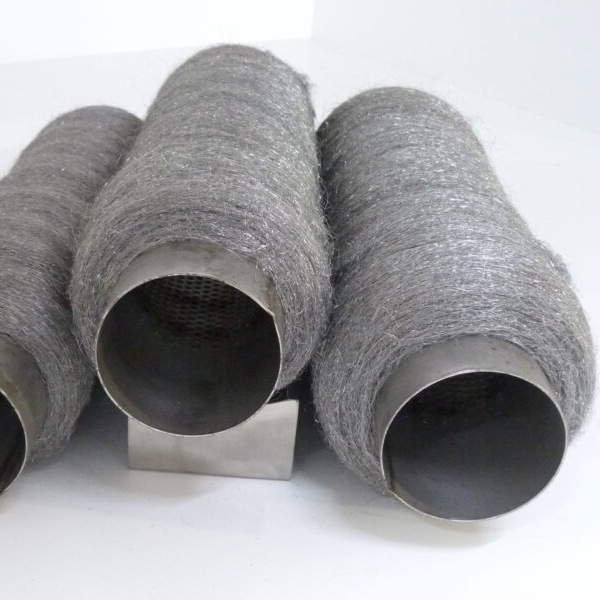
A bend is often more difficult to insulate than a straight pipe.
Wrap can follow gradual bends, but large industrial elbows may benefit from a fitted insulation blanket.
The BSTFLEXThermal Insulation Elbow Blanketis designed for curved exhaust geometry where a standard flat insulation section cannot maintain consistent coverage.
A well-designed elbow blanket should consider:
bend radius;
flange position;
pipe diameter;
seam location;
fastener access.
One of the most common weaknesses in an exhaust insulation system is the flange area.
A thick blanket may work well on the pipe but leave a large exposed metal flange.
That exposed section can become a strong local heat source.
For higher-performance systems, insulation should therefore be designed around:
flange diameter;
bolt access;
connection points;
sensors;
expansion joints.
A removable flap or separate flange blanket may be used where regular access is required.
For serious OEM projects, saying “we need exhaust insulation” is not enough.
A better specification is:
exhaust pipe operating temperature;
ambient temperature;
pipe diameter;
required outer surface temperature;
insulation thickness limit;
airflow condition.
This allows the insulation design to be evaluated against a measurable target.
Without these conditions, it is difficult to compare two insulation systems accurately.
Maintenance requirements are particularly important for:
marine engines;
generators;
mining equipment;
construction machinery;
industrial engines.
If technicians need frequent access to exhaust joints or engine components, permanent wrap can create additional maintenance work.
A removable blanket is usually more practical in these situations.
A segmented system may be designed so that:
each section has an identification mark;
only the required section is removed;
the blanket can be reinstalled after inspection.
This reduces disruption during service.
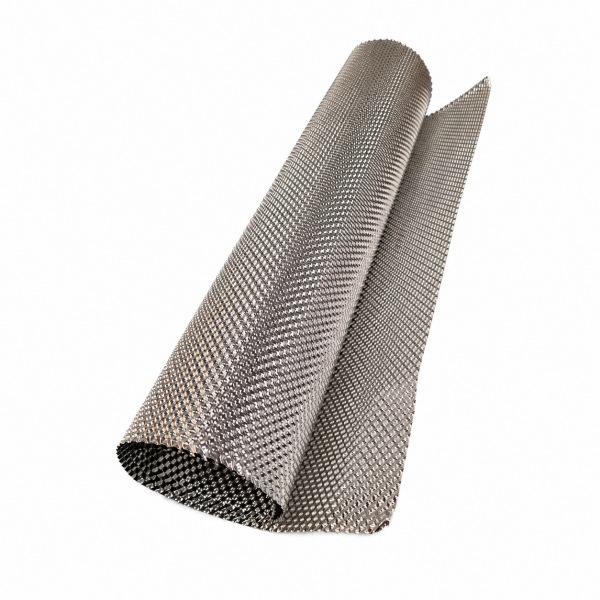
A high published temperature rating does not guarantee that the complete insulation system will perform correctly.
The full assembly must be considered.
An insulation material that performs well in a laboratory may fail quickly if it rubs continuously against a bracket or neighboring component.
Insulation should not prevent access to:
sensors;
clamps;
inspection ports;
flange bolts.
An exhaust system may need different thermal solutions in different areas.
For example:
manifold: shaped blanket;
straight pipe: wrap;
elbow: removable blanket;
muffler: metal shield.
The outer layer must suit the operating environment, not just the temperature.
Instead of selecting exhaust insulation by material name, use the following sequence.
For a simple tubular pipe:
Consider exhaust wrap or sleeve insulation.
For a pipe that requires regular inspection:
Use a removable pipe insulation blanket.
For an irregular elbow or flange:
Use a custom shaped blanket.
For protecting a nearby panel from radiant heat:
Use a metal or reflective heat shield.
For extreme heat and demanding environments:
Evaluate high-silica, high-temperature fiber, stainless steel or nickel-alloy constructions.
This approach is more reliable than choosing one product type for the complete exhaust system.
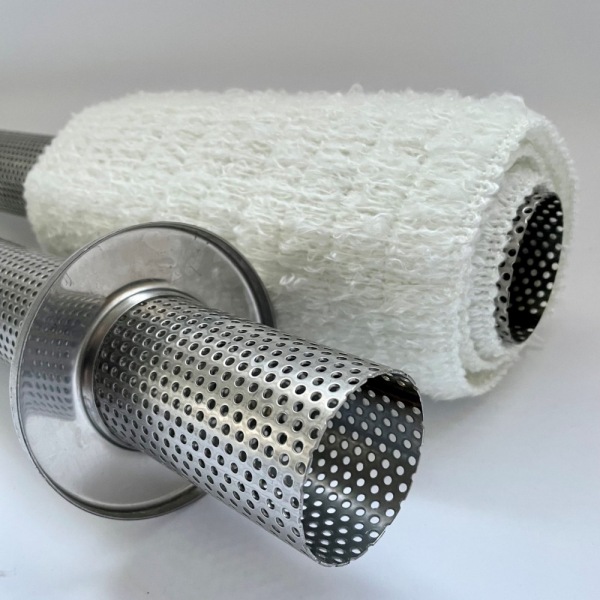
For accurate design and quotation, provide:
Pipe dimensions
outside diameter;
overall insulated length;
bend radius;
flange dimensions.
Temperature
normal operating temperature;
maximum temperature.
Installation environment
automotive;
marine;
generator;
industrial;
outdoor;
enclosed.
Service requirement
removable;
permanent;
frequency of maintenance.
Performance requirement
target external temperature;
maximum insulation thickness.
Project information
sample or drawing;
prototype quantity;
expected production volume.
The more complete the input data, the easier it is to design an insulation system that fits correctly from the first prototype.
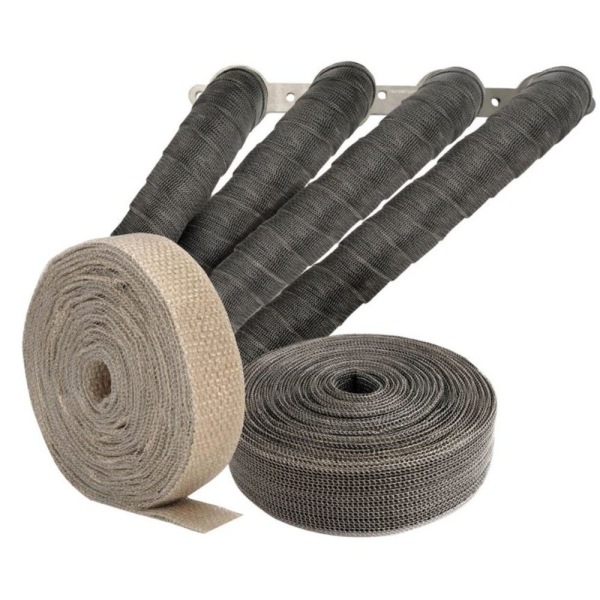
Exhaust pipe insulation is worth considering whenever an exhaust line creates unacceptable heat exposure for the surrounding system.
The decision should be driven by actual conditions rather than by appearance.
If the objective is to lower heat around the pipe, protect surrounding components or create a safer service environment, an insulation blanket, wrap, sleeve or heat shield may be appropriate.
For applications involving multiple exhaust components, the best result often comes from combining several insulation methods.
BSTFLEX manufacturesexhaust heat shield insulation, removable blankets, exhaust wraps, lagging and custom metal heat shields for automotive, marine, diesel, generator and industrial exhaust systems.
للحصول على عزل مخصص لأنابيب العادم، يرجى تحديد أبعاد الأنبوب، ودرجة حرارة التشغيل، وبيئة التركيب، والكمية المطلوبة. عندئذٍ، يمكن اختيار بنية عزل مناسبة لنظام العادم الفعلي بدلاً من الاعتماد على تصنيف درجة حرارة عام.

No.10, Chuangxin North Road, Nanshan Park, Ningguo Economic and Technological Development Zone, Ningguo City, Anhui Province, China
هاتف/Whatsapp : 0086-15856303740
البريد الإلكتروني : sales@bstbraidedsleeve.com
Skype : vanesa-cheng