عن ماذا تبحث?
اختيار مادة حشو كاتم الصوت المناسبة لا يتعلق فقط بتقليل ضوضاء العادم. فهو يؤثر بشكل مباشر على جودة الصوت، وعمر الحشو، ومقاومة الحرارة، واستقرار تدفق العادم، وتكرار الصيانة، وتجربة المستخدم النهائية لكاتم صوت الدراجة النارية، أو عادم ATV، أو كاتم UTV، أو نظام عادم عالي الأداء، أو مجموعة كاتم صوت OEM. هناك مادتان من أكثر المواد شيوعًا المستخدمة في إعادة حشو كواتم العادم وهما حشو كاتم الصوت من الألياف الزجاجية وحشو كاتم الصوت من الصوف الفولاذي المقاوم للصدأ. يمكن استخدام كلتيهما داخل كواتم الصوت، لكنهما لا تؤديان الوظيفة نفسها في كل تصميم.
يتم اختيار حشو كاتم الصوت من الألياف الزجاجية بشكل أساسي لامتصاص الصوت والعزل الحراري. أما حشو كاتم الصوت من الصوف الفولاذي المقاوم للصدأ فيتم اختياره غالبًا للدعم الميكانيكي والحماية من درجات الحرارة العالية وتثبيت الحشو بالقرب من القلب المثقب. في العديد من تصاميم العادم الاحترافية، لا تُعامل هاتان المادتان كبدائل مباشرة. بل غالبًا ما تُستخدمان معًا كهيكل حشو عادم متعدد الطبقات.
بالنسبة للمشترين الذين يحتاجون إلى مواد إعادة حشو عادم بكميات كبيرة، أو أطقم إعادة حشو كاتم صوت بعلامة تجارية خاصة، أو حشو كاتم صوت مخصص من OEM، فإن فهم الفرق بين الألياف الزجاجية والصوف الفولاذي المقاوم للصدأ أمر بالغ الأهمية. قد يؤدي اختيار المادة الخاطئ إلى ضوضاء مفرطة، وتلف مبكر للحشو، وصوت غير مستقر، وتكلفة صيانة أعلى، وشكاوى العملاء بعد التركيب.
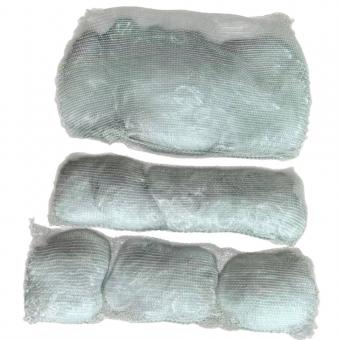
توفر BSTFLEX حلول عزل العادم وحشو كواتم الصوت لتطبيقات السيارات والدراجات النارية وATV وUTV والتطبيقات البحرية والصناعية. يمكنك الاطلاع على المواد ذات الصلة في فئة فئة حشو كاتم الصوت، بما في ذلك هياكل حشو الألياف الزجاجية الجاهزة للتركيب مثل جورب حشو كاتم الصوت من الألياف الزجاجية مع كيس شبكي زجاجي منسوج.
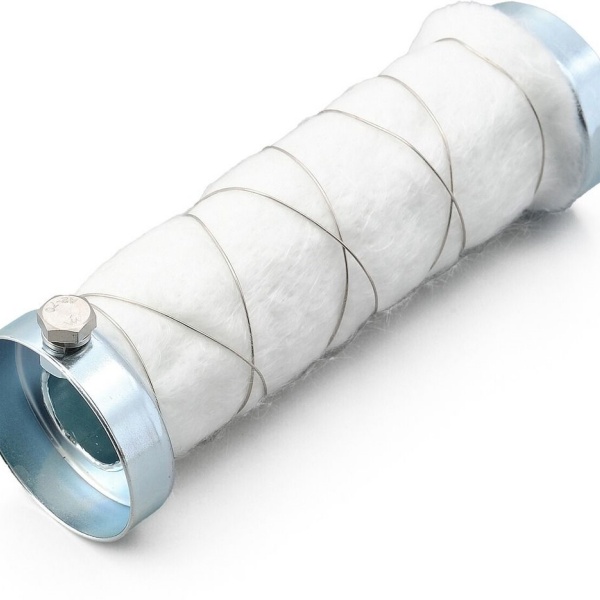
حشو كاتم الصوت من الألياف الزجاجية هو مادة من ألياف الزجاج المقاومة للحرارة يتم تركيبها داخل كاتم صوت العادم، عادة حول القلب المثقب. عندما تمر نبضات غاز العادم والموجات الصوتية عبر الأنبوب المثقب، تمتص طبقة الألياف جزءًا من الطاقة الصوتية وتساعد على خفض مستوى ضوضاء العادم. تُستخدم الألياف الزجاجية على نطاق واسع لأنها توفر توازنًا عمليًا بين امتصاص الصوت، ومقاومة الحرارة، وكفاءة التكلفة، وسهولة التعامل.
في كواتم صوت الدراجات النارية القياسية وكواتم العادم البديلة، تُستخدم الألياف الزجاجية غالبًا كطبقة الحشو الصوتية الرئيسية. يمكن توفيرها على شكل ألياف سائبة، أو حصيرة، أو لفافة، أو كيس، أو جورب، أو هيكل حشو مُشكل مسبقًا. مقارنة بالألياف السائبة، فإن الهيكل المحتوي مثل جورب حشو كاتم الصوت يجعل التركيب أنظف وأكثر اتساقًا. يحافظ الكيس الشبكي المنسوج على خيوط الألياف الزجاجية الداخلية معًا، مما يساعد عامل التركيب على وضع الحشو بالتساوي حول القلب.
تُعد الألياف الزجاجية مناسبة بشكل خاص عندما يكون المطلب الرئيسي هو التحكم في الضوضاء. فلديها بنية ليفية تساعد على تقليل صوت العادم الحاد وتلطيف نغمة كاتم الصوت. كما أنها أخف وزنًا وأسهل في الضغط من مواد الحشو المعدنية، مما يجعلها مناسبة لأطقم إعادة الحشو وإنتاج OEM.
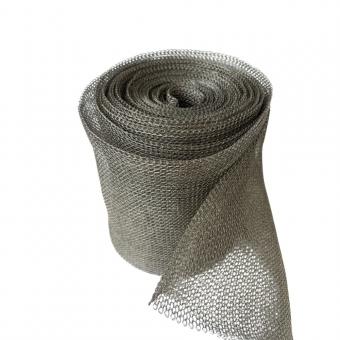
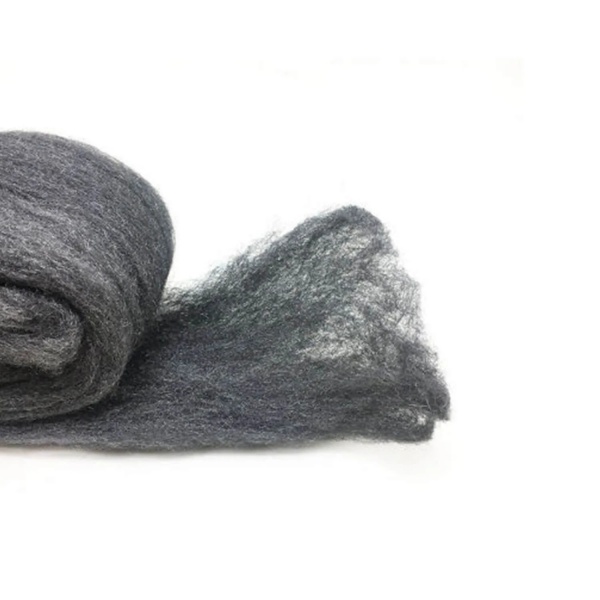
حشو كاتم الصوت من الصوف الفولاذي المقاوم للصدأ هو مادة صوف معدنية تُستخدم داخل أنظمة العادم التي تتطلب قوة ميكانيكية أعلى، ومقاومة للحرارة، واستقرارًا هيكليًا. يمكن استخدامه كمادة حشو، ولكن في العديد من هياكل كواتم الصوت الاحترافية يُستخدم بشكل أكثر شيوعًا كطبقة حماية قريبة من القلب المثقب.
تتعرض المنطقة المحيطة مباشرة بالأنبوب المثقب لأقوى نبضات العادم، وأعلى سرعة للغاز، وأشد تأثير حراري. إذا تم وضع الألياف الزجاجية مباشرة مقابل القلب في نظام عادم عالي القدرة، فقد تتآكل الألياف أو تتحرك أو تندفع للخارج بسرعة أكبر. يمكن لطبقة من الصوف الفولاذي المقاوم للصدأ أن تعمل كحاجز واقٍ بين تيار الغاز الساخن وطبقة الألياف الزجاجية الصوتية الرئيسية.
لهذا السبب يُستخدم الصوف الفولاذي المقاوم للصدأ غالبًا في كواتم الصوت الخاصة بالسباقات، وأنظمة العادم عالية التدفق، والمحركات المزودة بشاحن توربيني، ومكونات عادم الديزل، وكواتم الصوت للخدمة الشاقة. وهو لا يوفر نفس الامتصاص الصوتي الناعم الذي توفره الألياف الزجاجية، لكنه يساعد على حماية نظام الحشو من الصدمات الحرارية والاهتزاز وتآكل الغاز.
يتمثل الفرق الرئيسي في وظيفتهما داخل كاتم الصوت. فالألياف الزجاجية هي مادة أساسية لامتصاص الصوت. أما الصوف الفولاذي المقاوم للصدأ فهو مادة أساسية للتعزيز ومقاومة درجات الحرارة العالية وتثبيت الحشو. تساعد الألياف الزجاجية على تقليل الضوضاء. ويساعد الصوف الفولاذي المقاوم للصدأ على حماية هيكل الحشو.
| نقطة المقارنة | حشو كاتم الصوت من الألياف الزجاجية | حشو كاتم الصوت من الصوف الفولاذي المقاوم للصدأ |
|---|---|---|
| الوظيفة الرئيسية | امتصاص الصوت والعزل الحراري | حماية القلب وتثبيت الحشو |
| تقليل الضوضاء | امتصاص صوتي قوي | امتصاص صوتي متوسط |
| مقاومة الحرارة | جيدة للعديد من تطبيقات العادم | ممتازة بالقرب من مناطق القلب ذات درجات الحرارة العالية |
| المتانة | تعتمد على درجة الحرارة والكثافة والتدفق | متانة ميكانيكية عالية |
| التركيب | سهل، خاصة في شكل جورب أو كيس | يتطلب لفًا ومعالجة متحكمًا بها |
| أفضل استخدام | طبقة حشو كاتم الصوت الرئيسية | الطبقة الأولى حول القلب المثقب |
| التطبيق النموذجي | الدراجات النارية، مركبات ATV، مركبات UTV، وكواتم الصوت الأصلية OEM | عادم السباقات، كواتم الصوت عالية التدفق، ومناطق الحرارة الشديدة |
إذا كان الهدف الرئيسي هو تقليل ضوضاء العادم، فعادةً ما يكون الألياف الزجاجية الخيار الأفضل. إذ تنشئ شبكة الألياف الخاصة بها طبقة امتصاص مسامية تساعد على تحويل جزء من طاقة الصوت إلى حرارة من خلال الاحتكاك داخل بنية الألياف. ولهذا السبب تُستخدم حشوة كاتم الصوت المصنوعة من الألياف الزجاجية على نطاق واسع في إعادة حشو عوادم الدراجات النارية، وإنتاج كواتم العادم، وصيانة كواتم الصوت ما بعد البيع.
يمكن للصوف الفولاذي المقاوم للصدأ تقليل بعض الضوضاء، لكنه لا يُختار عادةً كمادة صوتية وحيدة عندما تكون الحاجة إلى أداء هادئ. فالصوف المعدني أقل فعالية في امتصاص نطاق واسع من ترددات الصوت مقارنةً بالألياف الزجاجية. وإذا تم حشو كاتم الصوت بالصوف الفولاذي المقاوم للصدأ فقط، فقد يبقى صوت العادم أعلى وأكثر حدة من المتوقع.
للتحكم المتوازن في الصوت، غالبًا ما يُفضل استخدام هيكل مدمج. يُلف الصوف الفولاذي المقاوم للصدأ حول القلب المثقب أولًا، ثم تُركب حشوة الألياف الزجاجية كطبقة الامتصاص الخارجية الرئيسية. يساعد هذا الهيكل على الحفاظ على الأداء الصوتي مع تحسين مقاومة خروج الحشوة.
تُعد الحرارة أحد الأسباب الرئيسية لفشل حشوة كاتم الصوت. في نظام عادم قياسي، يمكن للألياف الزجاجية أن تعمل جيدًا عندما تكون ظروف التشغيل ضمن نطاقها المناسب. ومع ذلك، إذا استُخدم كاتم الصوت في السباقات، أو القيادة بعدد دورات محرك مرتفع، أو المحركات المزودة بشاحن توربيني، أو كواتم الصوت المدمجة عالية التدفق، فقد تواجه مادة الحشو إجهادًا حراريًا أقوى وتأثيرًا أكبر من غازات العادم.
يؤدي الصوف الفولاذي المقاوم للصدأ أداءً أفضل في مناطق الحرارة العالية المباشرة لأنه لا يحترق مثل المواد العضوية، كما أن سلامته الميكانيكية أقوى من الألياف السائبة. وهذا يجعله مفيدًا كطبقة حاجز أولى بالقرب من القلب المثقب. فهو يساعد على تقليل تأثير اللهب المباشر، وتآكل الغاز عالي السرعة، وإزاحة الألياف الموضعية.
في التطبيقات الشديدة، لا ينبغي النظر إلى الصوف الفولاذي المقاوم للصدأ على أنه مجرد بديل للألياف الزجاجية. بل يجب اعتباره طبقة هندسية واقية تحسن عمر الخدمة لنظام حشو كاتم الصوت بالكامل.
يحدث خروج حشوة كاتم الصوت عندما تُزاح مادة الألياف تدريجيًا وتُدفع إلى الخارج بفعل تدفق غازات العادم. وقد يحدث ذلك بسرعة أكبر عندما تكون الحشوة غير محكمة، أو مركبة بشكل غير متساوٍ، أو معرضة لاهتزاز مفرط، أو موضوعة مباشرة مقابل نبضات عادم قوية. بمجرد أن تبدأ الحشوة في الحركة، يصبح صوت العادم أعلى وتتحلل المادة المتبقية بسرعة أكبر.
يمكن للألياف الزجاجية وحدها أن تعمل جيدًا في العديد من التطبيقات القياسية، لكنها قد تحتاج إلى دعم إضافي في الأنظمة عالية التدفق أو عالية الاهتزاز. يحسن الصوف الفولاذي المقاوم للصدأ مقاومة خروج الحشوة من خلال إنشاء طبقة أكثر استقرارًا حول القلب المثقب. كما يساعد على إبقاء طبقة الألياف الزجاجية بعيدة عن منطقة تأثير الغاز الأقوى.
بالنسبة للدراجات النارية، وكواتم الصوت المخصصة للسباقات، وعوادم مركبات ATV، وكواتم الصوت الأصلية OEM ذات المساحة الداخلية المحدودة، يمكن أيضًا أن يحسن هيكل الألياف الزجاجية المحصور من الاحتفاظ بالحشوة. منتج مثل جورب حشوة كاتم الصوت من الألياف الزجاجية مع كيس شبكي من الزجاج المنسوج يساعد على تثبيت حشو الألياف معًا أثناء التركيب والصيانة، مما يقلل من حركة الألياف السائبة مقارنةً بالحشوة السائبة التقليدية.
تؤثر جودة التركيب بشكل مباشر على أداء حشوة كاتم الصوت. فالألياف الزجاجية أسهل في التعامل والقص واللف والضغط. بالنسبة للموزعين وورش الإصلاح، تُعد حشوة كاتم الصوت المصنوعة من الألياف الزجاجية عملية لأنها يمكن تعبئتها في مجموعات وتركيبها دون معدات معقدة.
ومع ذلك، يمكن أن تتناثر الألياف الزجاجية السائبة أثناء التعامل معها. وقد يكون من الصعب أيضًا الحفاظ على كثافة متساوية داخل أجسام كواتم الصوت المدمجة. وهنا تصبح أشكال الحشو المحصورة مسبقًا ذات قيمة. تساعد جوارب حشوة كاتم الصوت والأكياس الشبكية على تحسين الاتساق وتقليل فقدان الألياف ودعم التجميع الأسرع.
يتطلب الصوف الفولاذي المقاوم للصدأ تعاملًا أكثر حذرًا. يجب لفه بالتساوي حول القلب دون فجوات كبيرة أو تداخل مفرط. وإذا لُف بشكل غير محكم جدًا، فقد لا يحمي طبقة الألياف الزجاجية بفعالية. وإذا لُف بإحكام شديد، فقد يؤثر ذلك على توزيع الحشو الداخلي وكفاءة التركيب. بالنسبة للاستخدام الإنتاجي، يفضل العديد من مشتري OEM الطبقات المعدنية المقطعة مسبقًا أو ذات الحجم المتحكم به لتحسين قابلية التكرار.
يمتلك الصوف الفولاذي المقاوم للصدأ عمومًا متانة ميكانيكية أفضل من الألياف الزجاجية عند تعرضه لتدفق غازات عالي الحرارة بشكل مباشر. فهو يقاوم التآكل والانهيار الهيكلي بشكل أفضل بالقرب من الأنبوب المثقب. ومع ذلك، لا يعني هذا دائمًا أن الصوف الفولاذي المقاوم للصدأ وحده هو أفضل حل كامل لحشو كاتم الصوت.
توفر الألياف الزجاجية امتصاصًا أفضل للصوت، بينما يوفر الصوف الفولاذي المقاوم للصدأ حماية أفضل. قد يدوم كاتم الصوت المحشو بالصوف الفولاذي المقاوم للصدأ فقط لفترة أطول من الناحية المادية، لكنه قد لا يوفر خفض الضوضاء المتوقع. وقد يبدو كاتم الصوت المحشو بالألياف الزجاجية فقط أفضل في البداية، لكنه قد يفشل بشكل أسرع في ظروف العادم القاسية.
غالبًا ما يأتي أفضل عمر خدمة من الجمع الصحيح بين المواد. في أنظمة العادم عالية الأداء، يكون الهيكل الموصى به عادةً هو الصوف الفولاذي المقاوم للصدأ أو شبكة الفولاذ المقاوم للصدأ كطبقة حماية داخلية، مع حشوة كاتم الصوت من الألياف الزجاجية كطبقة الامتصاص الصوتي الرئيسية.
| التطبيق | هيكل الحشو الموصى به | السبب |
|---|---|---|
| كاتم صوت دراجة نارية قياسي | حشوة كاتم صوت من الألياف الزجاجية أو جورب حشو من الألياف الزجاجية | امتصاص جيد للصوت وإعادة حشو سهلة |
| عادم دراجة نارية عالي الأداء | طبقة داخلية من الصوف الفولاذي المقاوم للصدأ بالإضافة إلى طبقة خارجية من الألياف الزجاجية | مقاومة أفضل لتآكل الغاز وحركة الحشوة |
| كاتم صوت عادم للسباقات | لف القلب المعدني بالإضافة إلى حشوة ألياف زجاجية عالية الكثافة | يحسن المتانة تحت تأثير نبضات العادم القوية |
| عادم مركبات ATV وUTV | جورب حشوة كاتم الصوت من الألياف الزجاجية بكثافة متحكم بها | تعامل أكثر سلاسة وثبات أفضل في مقاومة الاهتزاز |
| مجموعة كاتم صوت OEM | حشوة مخصصة من الألياف الزجاجية مقطعة مسبقًا مع طبقة اختيارية من الفولاذ المقاوم للصدأ | تحسن قابلية التكرار وكفاءة الإنتاج |
| طقم إعادة تعبئة للموزعين | جورب أو كيس حشوة من الألياف الزجاجية مع تغليف بعلامة خاصة | عرض أفضل وتركيب أسهل للمستخدمين النهائيين |
اختر حشوة كاتم الصوت المصنوعة من الألياف الزجاجية عندما يكون متطلبك الأساسي هو امتصاص الصوت، وسهولة التعامل مع الوزن الخفيف، وكفاءة التكلفة، وإعادة التعبئة بسهولة. وهي مناسبة لمعظم كواتم صوت الدراجات النارية، وأنظمة عادم المركبات ذات الدفع الرباعي ATV، وكواتم الصوت للمركبات متعددة الاستخدام UTV، وكواتم الصوت للسيارات، وصيانة كواتم صوت العادم العامة.
لتحقيق اتساق أفضل في التركيب، اختر هيكلًا من الألياف الزجاجية المحصورة بدلًا من الألياف السائبة. جورب حشوة كاتم الصوت المصنوع من الألياف الزجاجية من BSTFLEXيستخدم كيسًا شبكيًا خارجيًا منسوجًا من الألياف الزجاجية مع حشو داخلي من خيوط الألياف الزجاجية. يساعد هذا الهيكل في الحفاظ على شكل حشوة أكثر تنظيمًا ويقلل من التعامل مع الألياف السائبة أثناء التركيب.
اختر حشوة كاتم الصوت المصنوعة من الصوف الفولاذي المقاوم للصدأ عندما يحتاج نظام العادم إلى حماية أقوى بالقرب من القلب المثقب. وهذا شائع في كواتم الصوت عالية التدفق، وأنظمة عادم السباقات، وتطبيقات الشحن التوربيني، ومكونات عادم الديزل، أو كواتم الصوت التي تعاني من مشاكل متكررة في تطاير الحشوة.
يكون الصوف الفولاذي المقاوم للصدأ مفيدًا بشكل خاص عندما تفشل الحشوة الأصلية بسرعة كبيرة بسبب الحرارة أو الاهتزاز أو سرعة تدفق الغاز. يمكن استخدامه كطبقة أولى حول القلب، بينما تبقى الألياف الزجاجية طبقة امتصاص الصوت الخارجية الرئيسية. يسمح هذا الهيكل للكاتم بالحفاظ على تحكم أفضل في الصوت مع تحسين المتانة.
بالنسبة للعديد من تطبيقات العادم الاحترافية، فإن الحل الأفضل ليس الألياف الزجاجية مقابل الصوف الفولاذي المقاوم للصدأ. الحل الأفضل هو الألياف الزجاجية مع الصوف الفولاذي المقاوم للصدأ ضمن هيكل مناسب. يحمي الصوف الفولاذي المقاوم للصدأ منطقة القلب. تمتص الألياف الزجاجية الصوت. معًا، ينشئان نظام حشوة عادم أكثر استقرارًا.
يُعد هذا النهج متعدد الطبقات مناسبًا بشكل خاص لمصنعي عوادم OEM، وعلامات تجارية لعوادم الدراجات النارية، ومصانع كواتم الصوت عالية الأداء، وموردي أطقم إعادة التعبئة بالعلامات الخاصة، والموزعين الذين يرغبون في تقليل شكاوى العملاء بعد التركيب.
إذا كان الكاتم مستخدمًا في ظروف عادية، فقد تكون حشوة الألياف الزجاجية وحدها كافية. أما إذا تعرض نظام العادم لدرجة حرارة أعلى، أو تدفق أعلى، أو اهتزاز قوي، أو مشاكل متكررة في إعادة التعبئة، فإن إضافة الصوف الفولاذي المقاوم للصدأ بالقرب من القلب يمكن أن تحسن بشكل كبير احتفاظ الحشوة وعمر الخدمة.
يمكن لـ BSTFLEX توفير مواد مختلفة لحشوة كاتم الصوت وفقًا لهيكل الكاتم، وقطر القلب، وحجم الغلاف، ومستوى الصوت المستهدف، وكثافة الحشوة، وطريقة التركيب. تشمل الخيارات المتاحة حشوة كاتم الصوت من الألياف الزجاجية، وحشوة خيوط الألياف الزجاجية، وجورب حشوة كاتم الصوت من الألياف الزجاجية، وكيس حشوة كاتم صوت العادم، ولفافة قلب من الصوف الفولاذي المقاوم للصدأ، وشبكة عادم من الفولاذ المقاوم للصدأ، وأنظمة حشوة مركبة.
لاختيار المنتج، قم بزيارة فئة فئة حشوة كاتم الصوت. للتركيب الأنظف والاحتفاظ المتحكم به بالألياف، راجع جورب حشوة كاتم الصوت من الألياف الزجاجية مع كيس شبكي زجاجي منسوج.يمكن أيضًا مراجعة منتجات حشوة عادم الألياف الزجاجية ذات الصلة في حشوة كاتم صوت عادم من الألياف الزجاجية وحشوة كاتم صوت العادم من الألياف الزجاجية
معلومات طلب عرض السعر لحشوة كاتم الصوت المخصصة
يمكن لشركة BSTFLEX دعم التوريد بالجملة القياسي، والقطع المخصص، وجوارب التغليف المشكلة مسبقًا، والأبعاد الخاصة بتصنيع المعدات الأصلية OEM، وتغليف الموزعين، ومجموعات إعادة تغليف كواتم الصوت ذات العلامة الخاصة.
لا ينبغي الحكم على حشوة كاتم الصوت المصنوعة من الألياف الزجاجية وحشوة كاتم الصوت المصنوعة من الصوف الفولاذي المقاوم للصدأ فقط بناءً على أي من المادتين أقوى. فهما تحلان مشكلات مختلفة داخل كاتم صوت العادم. الألياف الزجاجية أفضل لامتصاص الصوت وإعادة التغليف العامة. أما الصوف الفولاذي المقاوم للصدأ فهو أفضل لحماية القلب، والثبات في درجات الحرارة العالية، ومقاومة الانفجار للخارج. بالنسبة لأنظمة العادم المتطلبة، غالبًا ما يكون الحل الأقوى هو هيكل مركب يستخدم الصوف الفولاذي المقاوم للصدأ بالقرب من القلب المثقب وحشوة الألياف الزجاجية كطبقة صوتية رئيسية.
بالنسبة لإعادة تغليف عوادم الدراجات النارية، وإنتاج كواتم الصوت عالية الأداء، وكواتم صوت المركبات الرباعية ATV والمركبات متعددة الاستخدامات UTV، وتجميعات عادم المعدات الأصلية OEM، ومجموعات التغليف ذات العلامة الخاصة، يمكن لشركة BSTFLEX توفير حلول حشوة كاتم صوت مخصصة بناءً على هيكلك الفعلي وظروف التشغيل.
الألياف الزجاجية أفضل لامتصاص الصوت، بينما الصوف الفولاذي المقاوم للصدأ أفضل للمتانة والحماية بالقرب من القلب المثقب. في العديد من كواتم الصوت عالية الأداء، تُستخدم المادتان معًا.
يمكن استخدامه في بعض التطبيقات، لكنه قد لا يوفر نفس مستوى امتصاص الصوت الذي توفره الألياف الزجاجية. للتحكم الأفضل في الصوت، غالبًا ما يُستخدم الصوف الفولاذي المقاوم للصدأ كطبقة حماية داخلية مع الألياف الزجاجية كمادة الامتصاص الرئيسية.
يمكن أن تنفجر حشوة كاتم الصوت للخارج بسبب سرعة غاز العادم العالية، أو الحرارة الزائدة، أو الاهتزاز، أو التركيب غير المحكم، أو عدم كفاية التثبيت حول القلب المثقب. يمكن أن تساعد طبقة من الصوف الفولاذي المقاوم للصدأ أو جورب حشوة الألياف الزجاجية في تحسين ثبات الحشوة.
لعوادم الدراجات النارية القياسية، تكون حشوة كاتم الصوت المصنوعة من الألياف الزجاجية أو جورب حشوة الألياف الزجاجية مناسبة عادةً. أما عوادم السباقات أو العوادم ذات التدفق العالي، فغالبًا ما يُوصى بطبقة داخلية من الصوف الفولاذي المقاوم للصدأ مع طبقة خارجية من الألياف الزجاجية.
جورب حشوة كاتم الصوت المصنوع من الألياف الزجاجية أنظف وأسهل في التركيب من الألياف السائبة. فهو يساعد في الحفاظ على تنظيم مادة الحشوة ويدعم كثافة أكثر اتساقًا حول قلب كاتم الصوت.
نعم. تستطيع BSTFLEX توفير أقطار وأطوال وكثافات وأوزان تعبئة مخصصة، وتركيبات مواد، وأشكال تغليف مختلفة لإنتاج كواتم الصوت OEM ومجموعات إعادة التغليف للموزعين.

No.10, Chuangxin North Road, Nanshan Park, Ningguo Economic and Technological Development Zone, Ningguo City, Anhui Province, China
هاتف/Whatsapp : 0086-15856303740
البريد الإلكتروني : sales@bstbraidedsleeve.com
Skype : vanesa-cheng