عن ماذا تبحث?
حشوة كاتم الصوت هي مادة متخصصة مقاومة للحرارة وماصة للصوت تُركّب داخل مخففات العادم وكواتم الصوت. هدفها الرئيسي هو تقليل ضوضاء العادم، والتحكم في ترددات الصوت، وإدارة التعرض للحرارة، والحفاظ على أداء عادم مستقر أثناء التشغيل.
على عكس الغلاف المعدني الخارجي لكاتم الصوت، فإن مادة الحشو الداخلية مسؤولة عن التحكم في الأداء الصوتي. عندما تمر غازات العادم عبر الأنبوب المثقّب داخل المخفف، تولّد نبضات الضغط موجات صوتية. تحيط حشوة كاتم الصوت بهذا الأنبوب وتمتص جزءًا من الطاقة الصوتية من خلال بنيتها الليفية أو بنيتها المعدنية.
يسأل العديد من المشترين الذين يبحثون عن حشوة كاتم الصوت سؤالًا بسيطًا: ممّ تُصنع حشوة كاتم الصوت؟ تعتمد الإجابة على تطبيق نظام العادم. تشمل المواد الشائعة الألياف الزجاجية، وخيوط الألياف الزجاجية، والصوف الفولاذي المقاوم للصدأ، والألياف الخزفية، وألياف البازلت، والشبك المصنوع من الفولاذ المقاوم للصدأ، والهياكل المركبة المصممة خصيصًا.
تعتمد المادة المناسبة على عدة عوامل، بما في ذلك درجة حرارة العادم، ونوع المحرك، وسرعة تدفق الغاز، ومستوى الاهتزاز، ومقدار خفض الصوت المطلوب، والعمر التشغيلي المتوقع، وطريقة التركيب.
تُصنّع BSTFLEX حلول حشوات عادم مختلفة لكواتم صوت الدراجات النارية، وأنظمة العادم عالية الأداء، ومخففات ATV/UTV، وأنظمة عادم السيارات، وإنتاج كواتم الصوت OEM. يمكن العثور على المنتجات ذات الصلة في فئة حشوة كاتم الصوت.
قبل فهم المواد، من المهم فهم وظيفة حشوة كاتم الصوت.
يحتوي كاتم الصوت النموذجي من نوع الامتصاص على أنبوب داخلي مثقّب محاط بمادة حشو مقاومة للحرارة. تتدفق غازات العادم عبر الأنبوب المثقّب، بينما تمر الموجات الصوتية عبر الثقوب إلى طبقة الحشو المحيطة.
تؤدي مادة الحشو عدة وظائف:
تحدد بنية المادة مدى فعالية أداء هذه الوظائف. توفر الألياف الدقيقة عمومًا امتصاصًا صوتيًا أفضل، بينما توفر الهياكل المعدنية متانة ميكانيكية أقوى.
على الرغم من إمكانية استخدام العديد من المواد، فإن مصنّعي أنظمة العادم المحترفين يستخدمون بشكل أساسي عدة فئات من المواد عالية الحرارة.
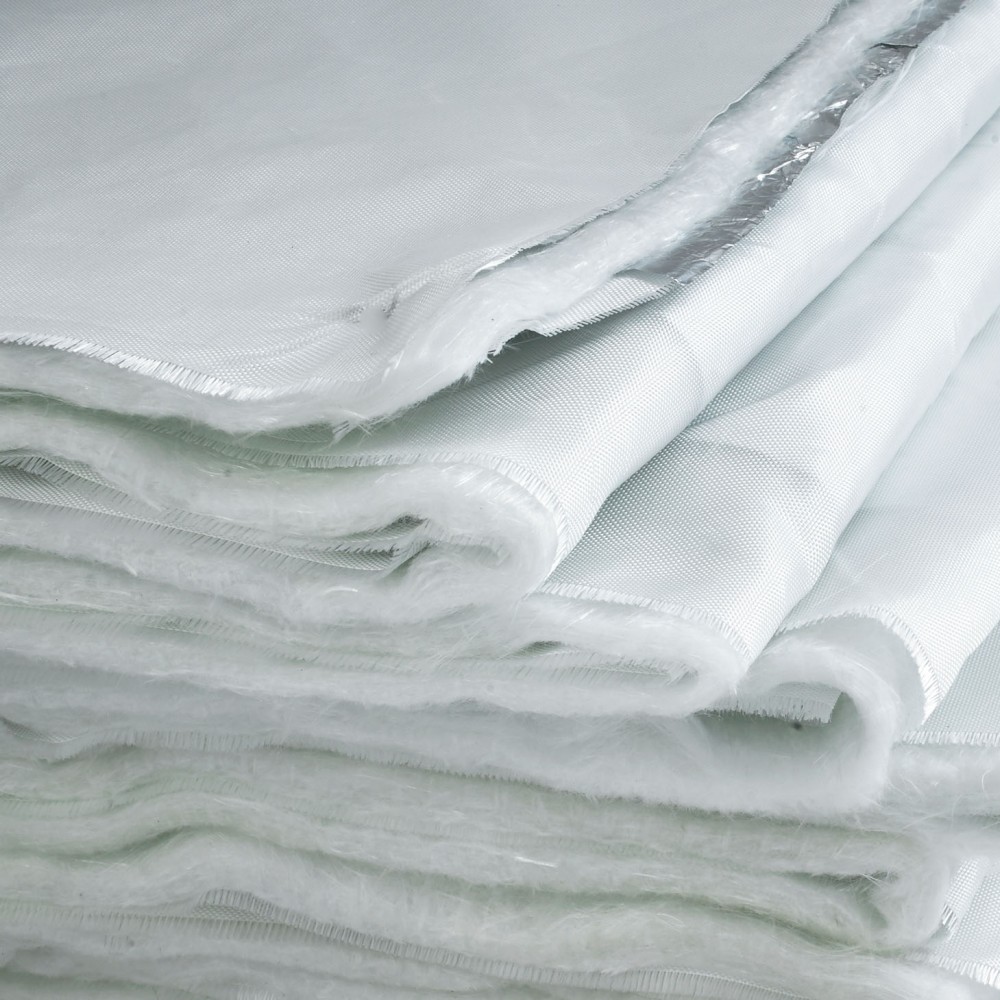
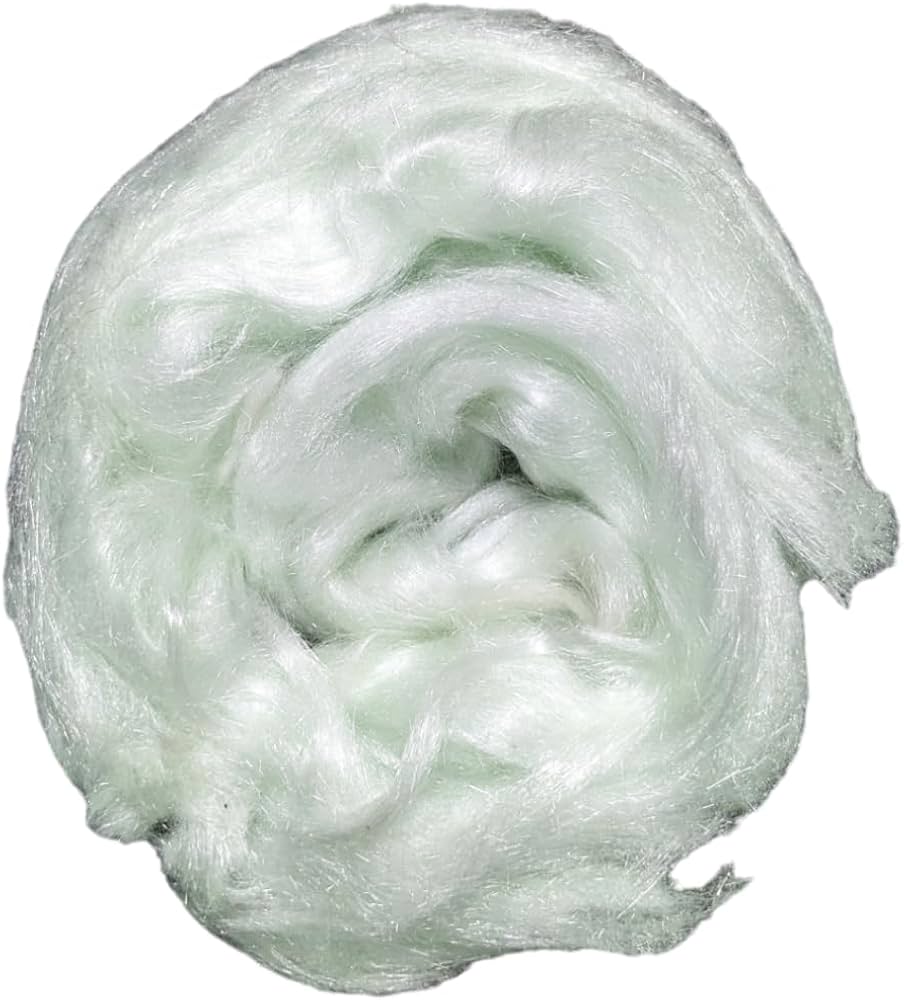
تُعد الألياف الزجاجية أكثر مواد حشوة كاتم الصوت شيوعًا المستخدمة في أنظمة عادم السيارات والدراجات النارية.
تُصنّع من ألياف زجاجية تتم معالجتها إلى أشكال مختلفة تشمل الألياف السائبة، وخيوط الألياف الزجاجية، وحصيرة الألياف الزجاجية، ولفة الألياف الزجاجية، وكيس الألياف الزجاجية، وجورب حشوة الألياف الزجاجية.
سبب استخدام الألياف الزجاجية على نطاق واسع هو أنها توفر مزيجًا متوازنًا من:
عندما تدخل موجات صوت العادم إلى بنية الألياف الزجاجية، تتحول الطاقة من خلال الاحتكاك بين الألياف. وهذا يقلل الضوضاء ويُنشئ نغمة عادم أكثر سلاسة.
تُستخدم الألياف الزجاجية بشكل شائع في:
لتسهيل التركيب وتحسين احتفاظ الألياف، يمكن أيضًا إنتاج الألياف الزجاجية على شكل هيكل مغلف.
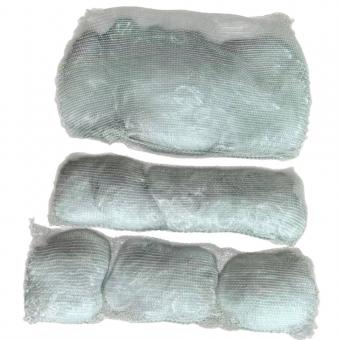
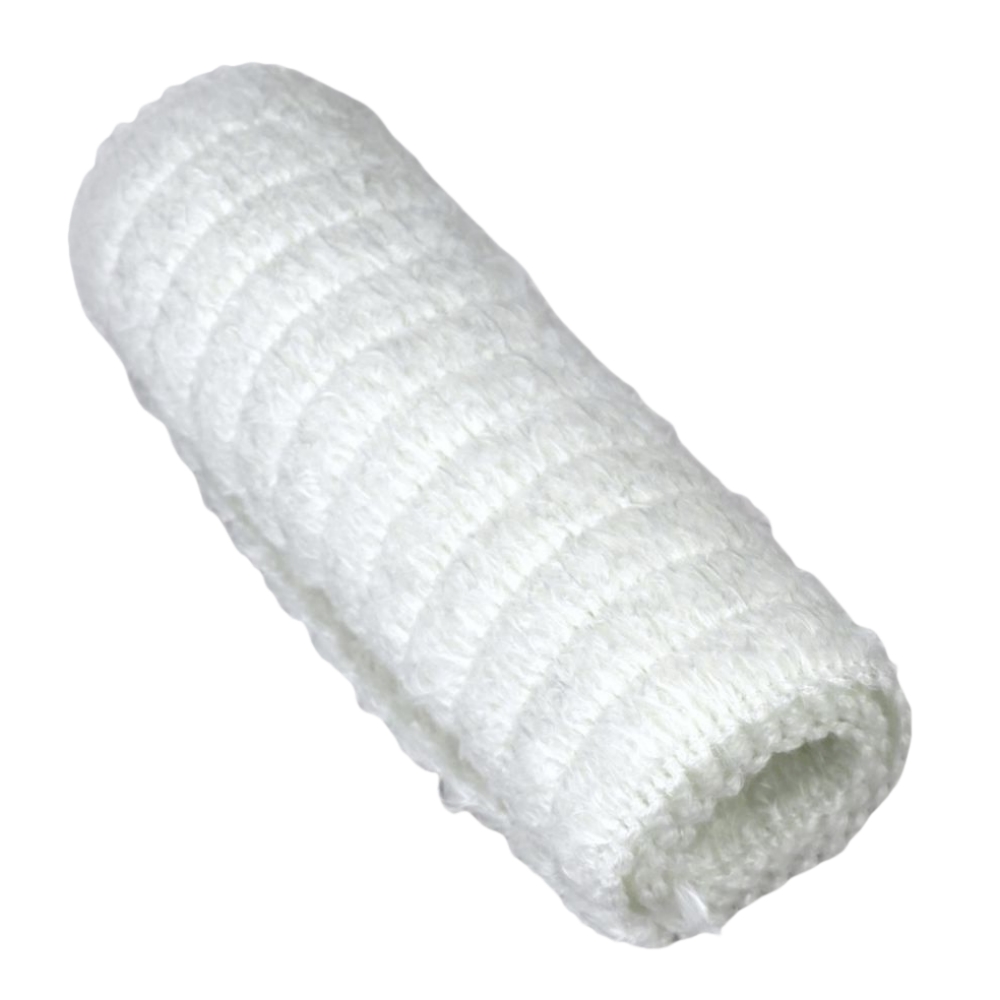
إن جورب حشوة كاتم الصوت من الألياف الزجاجية مع كيس شبكي زجاجي منسوجيستخدم كيس شبكة خارجي من الألياف الزجاجية المنسوجة مع حشوة داخلية من خيوط الألياف الزجاجية. يساعد هذا التصميم في الحفاظ على تنظيم مادة الحشو وتحسين اتساق التركيب.
خيط الألياف الزجاجية هو شكل آخر من مواد حشو كاتم الصوت القائمة على الألياف الزجاجية.
بالمقارنة مع الألياف الزجاجية السائبة، توفر هياكل الخيوط سهولة أفضل في التعامل وثباتًا أبعاديًا أكبر. يساعد هيكل الألياف المستمر على تقليل حركة الألياف وتحسين كفاءة التركيب.
تُستخدم حشوة خيوط الألياف الزجاجية غالبًا في:
بالنسبة للمصنعين، تسمح خيوط الألياف الزجاجية بتحكم أكثر دقة في وزن الحشو والسُمك وكثافة التعبئة.
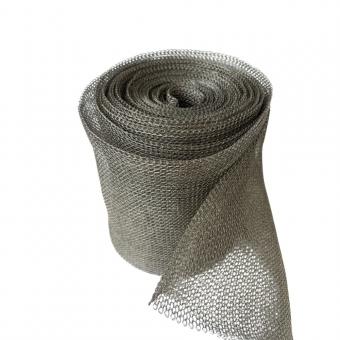
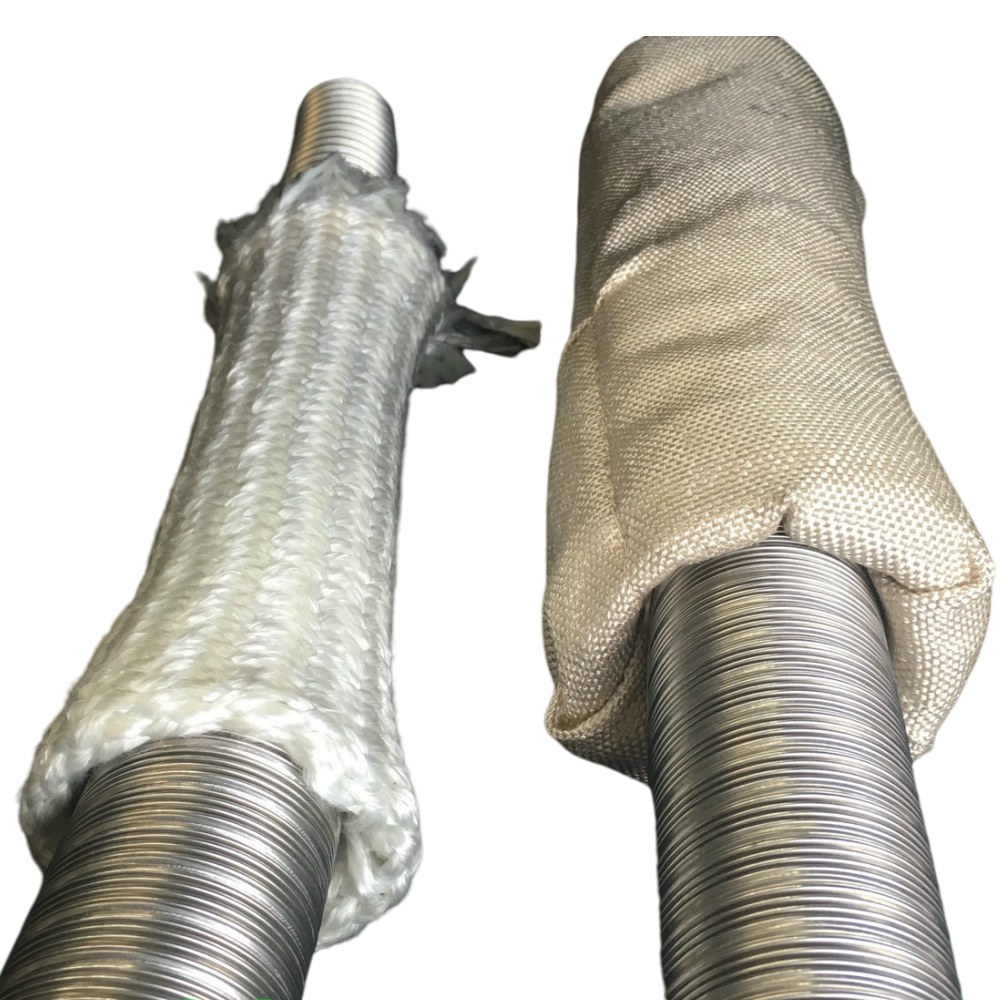
الصوف الفولاذي المقاوم للصدأ هو مادة حشو معدنية لكاتم الصوت مصممة للتطبيقات التي تتطلب قوة ميكانيكية أعلى وثباتًا أفضل.
على عكس الألياف الزجاجية، لا يعتمد الصوف الفولاذي المقاوم للصدأ على بنية ألياف هشة. فهو يوفر مقاومة ممتازة لتآكل غازات العادم والاهتزاز والتعرض المباشر للحرارة.
يُستخدم الصوف الفولاذي المقاوم للصدأ عادةً:
في العديد من تصاميم العادم المتقدمة، لا يُستخدم الصوف الفولاذي المقاوم للصدأ كبديل للألياف الزجاجية. بل يعمل معها معًا.
تحمي طبقة الفولاذ المقاوم للصدأ المنطقة الداخلية، بينما توفر الألياف الزجاجية وظيفة امتصاص الصوت الرئيسية.
يتم اختيار ألياف السيراميك عند الحاجة إلى مقاومة أعلى لدرجات الحرارة.
بالمقارنة مع الألياف الزجاجية، توفر ألياف السيراميك أداءً أفضل في بيئات الحرارة الشديدة. وتُستخدم عادةً في أنظمة العادم الصناعية، وكاتمات الصوت ذات درجات الحرارة العالية، والتطبيقات الخاصة التي قد تتدهور فيها مواد الألياف الزجاجية القياسية بسرعة كبيرة.
تشمل المزايا الرئيسية:
ومع ذلك، ليست ألياف السيراميك ضرورية دائمًا لتطبيقات عادم الدراجات النارية أو السيارات القياسية. يجب أن يعتمد اختيار المادة على متطلبات درجة الحرارة الفعلية.
يتم تصنيع ألياف البازلت من الصخور البركانية وتوفر مزيجًا من مقاومة الحرارة والمتانة والثبات الكيميائي.
تُستخدم في بعض تطبيقات العادم ذات درجات الحرارة العالية حيث يحتاج المشترون إلى بديل للألياف الزجاجية التقليدية.
يمكن أن توفر ألياف البازلت:
تستخدم أنظمة العادم الحديثة بشكل متزايد هياكل حشو مركبة بدلًا من مادة واحدة.
قد يتضمن نظام حشوة كاتم الصوت المركب:
| طبقة | مادة | وظيفة |
|---|---|---|
| طبقة الحماية الداخلية | صوف فولاذ مقاوم للصدأ أو شبكة فولاذ مقاوم للصدأ | تحمي من تأثير العادم المباشر |
| طبقة العزل الصوتي الرئيسية | ألياف زجاجية أو خيوط ألياف زجاجية | تمتص الموجات الصوتية |
| طبقة مقاومة لدرجات الحرارة العالية | ألياف خزفية أو مادة عزل خاصة | تحسن مقاومة الحرارة |
| طبقة الاحتواء | كيس أو غلاف من شبكة ألياف زجاجية | تحافظ على ثبات موضع الحشو |
يمكن أن يؤدي اختيار مادة حشو كاتم الصوت الخاطئة إلى عدة مشكلات:
على سبيل المثال، قد تعمل مادة حشو قياسية من الألياف الزجاجية بشكل جيد لدراجة نارية للاستخدام على الطرق، لكنها قد تفشل مبكرًا في عادم سباقات معرض لسرعة غاز شديدة. في هذه الحالة، يمكن أن تؤدي إضافة تعزيز من صوف الفولاذ المقاوم للصدأ إلى تحسين المتانة بشكل كبير.
| التطبيق | المادة الموصى بها |
|---|---|
| عادم دراجة نارية للطرق | حشو كاتم صوت من الألياف الزجاجية أو جورب حشو من الألياف الزجاجية |
| عادم دراجة نارية عالية الأداء | ألياف زجاجية مع تعزيز من صوف الفولاذ المقاوم للصدأ |
| عادم مركبات ATV وUTV | حشو ألياف زجاجية بكثافة مضبوطة |
| عادم السباقات | هيكل حماية مركب من الألياف الزجاجية والمعدن |
| كاتم صوت عادم صناعي | ألياف زجاجية أو ألياف خزفية أو هيكل مخصص |
| إنتاج كاتمات الصوت OEM | مكونات حشو مخصصة مسبقة التشكيل |
يُستخدم التعبئة التقليدية المصنوعة من الألياف الزجاجية الفضفاضة على نطاق واسع لأنها مرنة واقتصادية. ومع ذلك، تتطلب الألياف الفضفاضة تركيبًا دقيقًا لتحقيق كثافة متسقة.
تعمل كيس تعبئة كاتم الصوت المصنوع من الألياف الزجاجية على حل العديد من مشاكل التركيب من خلال احتواء الألياف داخل هيكل منسوج.
تشمل المزايا:
بالنسبة لمصنعي العادم المحترفين وموردي مجموعات إعادة التعبئة، يمكن أن يحسن الهيكل المحتوي للألياف الزجاجية كفاءة الإنتاج ويقلل من تباين التركيب.
تورد BSTFLEX مواد تعبئة كاتم الصوت المختلفة وفقًا لمتطلبات تصميم العادم.
تشمل الحلول المتاحة:
يمكن تخصيص المنتجات وفقًا لقطر الكاتم، وحجم النواة، وكثافة التعبئة، ووزن الحشو، والطول، والسُمك، ومتطلبات التعبئة، وظروف التطبيق.
للحصول على عرض سعر دقيق وتوصية فنية، يرجى تقديم:
تصنع تعبئة كاتم الصوت من مواد مختلفة مقاومة لدرجات الحرارة العالية بما في ذلك الألياف الزجاجية، خيوط الألياف الزجاجية، صوف الفولاذ المقاوم للصدأ، الألياف السيراميكية، ألياف البازلت، والهياكل المركبة.
بالنسبة لمعظم أنظمة العادم، تظل الألياف الزجاجية هي المادة الأكثر استخدامًا لأنها توفر امتصاصًا ممتازًا للصوت ومقاومة عملية للحرارة. يحسن صوف الفولاذ المقاوم للصدأ المتانة واحتفاظ التعبئة في التطبيقات الشديدة. يتم اختيار الألياف السيراميكية عند الحاجة لمقاومة درجات الحرارة القصوى.
يتم تحديد أفضل مادة لتعبئة كاتم الصوت وفقًا لتصميم نظام العادم الكامل. يجب أن يأخذ اختيار المادة في الاعتبار درجة الحرارة ومتطلبات الصوت وسرعة الغاز والاهتزاز وطريقة التركيب والعمر الافتراضي المتوقع.
توفر BSTFLEX حلول تعبئة عادم مخصصة لمصنعي عوادم الدراجات النارية، وموردي السيارات، وعلامات الأداء للعوادم، والموزعين، وعملاء OEM.
الألياف الزجاجية هي المادة الأكثر استخدامًا لتعبئة كاتم الصوت لأنها توفر امتصاصًا جيدًا للصوت، ومقاومة للحرارة، وكفاءة من حيث التكلفة.
نعم. تستخدم العديد من منتجات حشوة كاتم الصوت الألياف الزجاجية أو خيوط الألياف الزجاجية لأن هذه المواد توفر امتصاصًا صوتيًا ممتازًا داخل كواتم العادم.
يمكن استخدام الصوف الفولاذي المقاوم للصدأ في بعض التطبيقات، لكنه غالبًا ما يُدمج مع الألياف الزجاجية لأن المادتين توفران مزايا مختلفة.
يُختار ألياف السيراميك عادةً لتطبيقات درجات الحرارة القصوى لأنها توفر استقرارًا حراريًا أعلى من الألياف الزجاجية القياسية.
بالنسبة لمعظم الدراجات النارية، توفر حشوة كاتم الصوت المصنوعة من الألياف الزجاجية أو جوارب الحشو المصنوعة من الألياف الزجاجية أفضل توازن بين التحكم في الصوت، ومقاومة الحرارة، وسهولة التركيب.

No.10, Chuangxin North Road, Nanshan Park, Ningguo Economic and Technological Development Zone, Ningguo City, Anhui Province, China
هاتف/Whatsapp : 0086-15856303740
البريد الإلكتروني : sales@bstbraidedsleeve.com
Skype : vanesa-cheng