A PAP air duct can match the requested diameter and still be the wrong replacement. Its inner surface may differ from the approved construction, its formed route may not stay within the available space, or its ends may distort when fitted to the production connectors. These are reasons to evaluate a sample as an installed part, not simply as a straight tube.
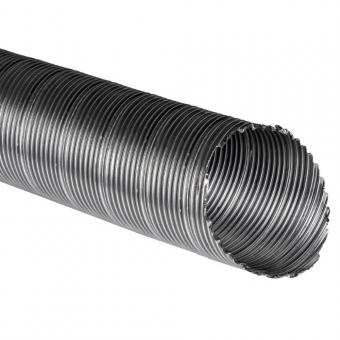
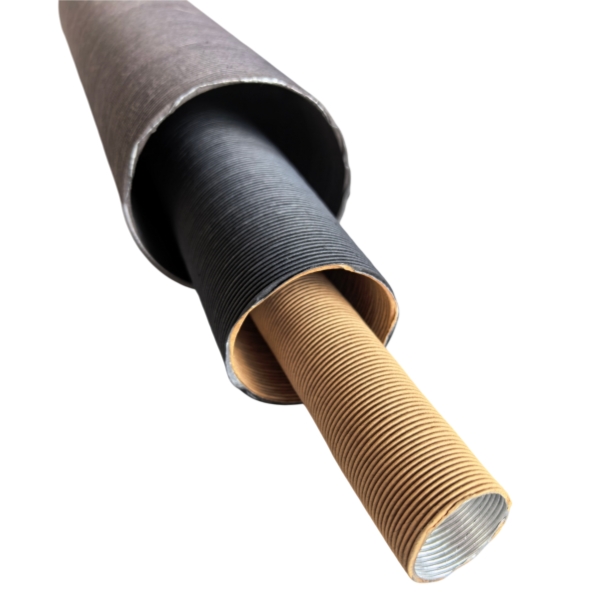
The BSTFLEX PAP Paper Aluminum Air Duct has a paper inner layer, aluminum middle layer and paper outer layer. This guide explains how to turn that construction description into an OEM purchasing specification covering the wall, formed shape, connection behavior and sample approval.
Specify the Layer Order, Not Just the Material Names
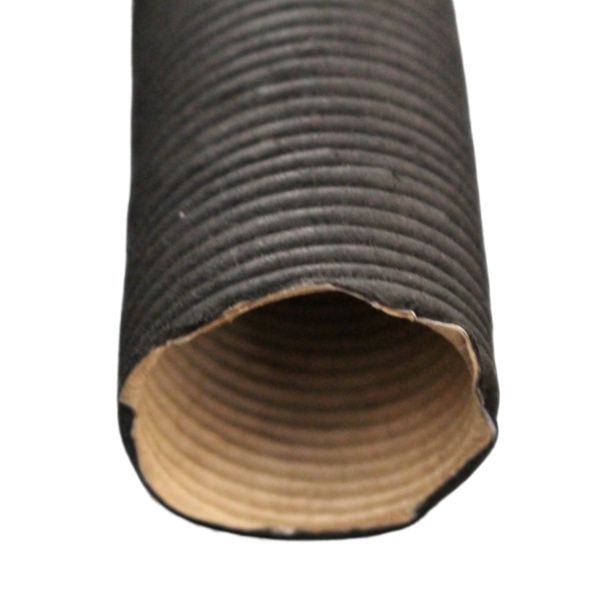
For this PAP construction, read the layers from the air passage outward: paper / aluminum / paper. An inquiry that says only “paper aluminum air duct” leaves the location of each material unclear. Include the sequence on the drawing or material specification so that quotation, sampling and inspection refer to the same wall.
| Wall position | Material | What to identify |
|---|---|---|
| Inner layer | Paper or flexible cardboard | The surface facing the transported air; specify the approved grade or construction reference. |
| Middle layer | Aluminum foil | The foil specification and its place within the laminate, rather than an assumed exposed metal lining. |
| Outer layer | Paper or flexible cardboard | The exterior surface, finish and any permitted treatment. |
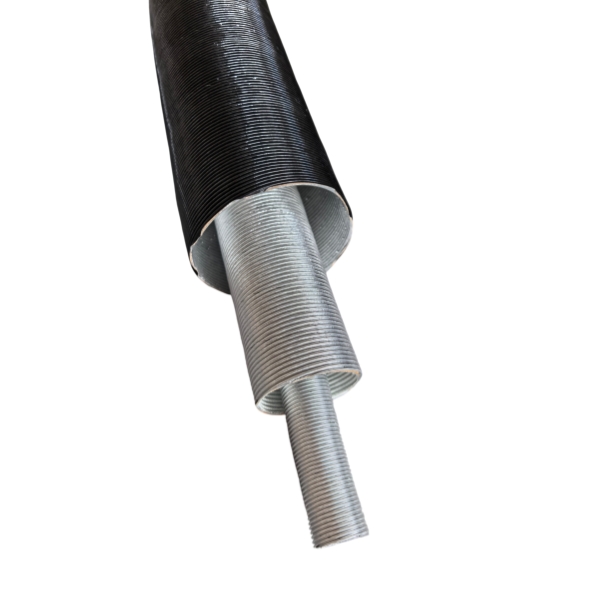
Do not treat an outer plastic film as an appearance-only substitution. The separate PAK Flexible Air Duct Hose uses kraft paper inside, aluminum in the middle and black PVC film outside. A change from a paper exterior to that construction should be reviewed and identified as a material change.
Keep the Application Within the Product's Stated Scope
The PAP product description specifies use within interior areas, including fresh-air supply for vehicle heating and air-conditioning systems. Begin the approval process by recording where the duct will actually sit. A route under an exposed vehicle floor or through an engine compartment should not be classified as an interior installation merely because it is part of a vehicle.
Identify the medium and exposure before selecting the wall. This is an air-duct specification, not approval to carry fuel, coolant, compressed air or combustion exhaust. Do not infer suitability for rain, standing water, strong suction or direct exhaust contact from the presence of an aluminum layer.
For a project outside the stated PAP application, submit the conditions for a separate construction review. The heat protection tube and warm air ducting range contains different products for different duties; sharing a category does not make them interchangeable.
Shape Retention Is Different from Repeated Flexing
PAP ducting is described as formable and able to retain its bent shape. For an OEM order, translate that feature into a route that can be checked: define the connector positions, clearance envelope and curve the sample must follow after forming.
In the sample plan, evaluate whether the duct stays within that envelope after the forming force is removed. Record the inspection interval and whether the sample is unsupported or held by the intended supports. A photograph taken while someone is holding the tube in place does not demonstrate the unsupported result.
Do not use this check as evidence of unlimited bending life, vibration durability or suitability for a moving joint. Where repeated motion is expected, specify a separate evaluation with the responsible equipment engineer.
Forming check
Use the proposed installation route and document the bend reference. State whether radius is measured at the centerline or another defined surface. Agree any minimum radius for the selected construction rather than copying a value from a different duct.
Shape check
Measure the formed sample at the tightest curve and connection ends. Record the major and minor opening dimensions, visible wall folds and position relative to the route envelope. Set acceptable changes before judging the samples.
Test the Sample on the Actual Mating Parts
Use production-representative connectors and supports for the fit trial. An old hose alone may not show the intended connection geometry. Record how each end seats, whether the specified engagement is reached and whether the intended retention method damages the wall.
Keep fit and airflow acceptance separate. A sample can seat on both connectors yet still need assessment in its formed condition. Where the system requires a pressure-drop or leakage limit, agree the test flow, pressure conditions and complete assembly configuration. Do not assign a pressure rating from a hand squeeze or a visual inspection.
For a purchase based on an original component, retain an approved reference sample and a drawing. Use the sample for agreed appearance and handling comparisons, and use the drawing for controlled dimensions and acceptance limits.
Use a Sample Approval Record with Observable Results
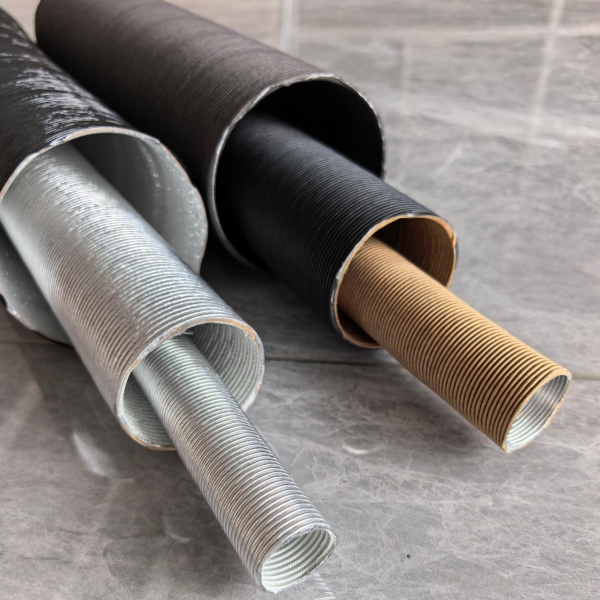
The following is a proposed inspection framework for a customer-specific project. It is not a claim that every PAP duct has passed these tests, and it does not replace the equipment manufacturer's qualification requirements.
| Review item | Suggested check | Record for approval |
|---|---|---|
| Construction identity | Compare the wall sequence and material reference with the submitted specification. | Drawing revision, construction code and sample identification. |
| Cut ends and air passage | Inspect for loose fragments, torn layers or material projecting into the opening. | End photographs and agreed workmanship criteria. |
| Connector fit | Fit the sample to the specified mating parts using the intended retention method. | Engagement, assembly observations and any resulting wall damage. |
| Formed geometry | Compare the routed sample with the clearance envelope after release. | Bend reference, inspection interval and measured shape. |
| Laminate condition | Inspect selected areas after forming for separation, lifting or tearing. | Inspection locations and acceptance criteria. |
| Support contact | Evaluate the proposed support or clip at its specified installation condition. | Local deformation and the assembly condition used. |
| Airflow performance, where required | Evaluate the assembled route using an agreed airflow and measurement method. | Test configuration, result and project-specific limit. |
Define the sample quantity and measurement method before testing. For any compression assessment, state the fixture, applied load, duration and allowed residual deformation. “Crush resistant” without those conditions is not a reproducible acceptance requirement.
Control the Construction Behind the Approved Sample
The three-letter name is a starting description, not the full production specification. Ask the supplier to identify the construction variables that are controlled for the approved part: paper grade, foil specification, wall build, forming geometry and bonding specification, as applicable.
Not every internal manufacturing detail needs to appear on a public product page. For purchasing control, a documented construction reference can link the approved sample to the supplier's manufacturing specification. Agree which changes require notification or renewed approval rather than assuming that an unchanged product name means an unchanged wall.
Where temperature, humidity, odor, flammability or other requirements apply, state them separately and request evidence for the exact construction. Do not inherit a test result from another product simply because both contain paper and aluminum.
Check the Condition After Packing, Not Only Before It
Include a representative packed sample in the approval process. On unpacking, inspect the connection ends and formed profile before fitting. Record whether the duct can be installed as supplied or requires additional handling that was not part of the agreed assembly process.
Set the packing method around the part's approved shape. For preformed pieces, review how separators or supports maintain the route. For straight pieces formed during installation, review end protection and permitted packing compression. Keep cosmetic acceptance separate from distortion that affects fit.
For orders needing fixed pieces or different supply formats, the cut-to-length heater ducting guide covers length and packaging discussions. This approval record should additionally identify the condition expected when the part reaches assembly.
Convert the Approved Sample into a Repeatable Order
Before releasing a repeat order, agree a compact approval package: the current drawing, construction reference, retained sample, inspection criteria and packing instruction. Identify any dimensions or characteristics that require production records, and agree how a proposed change will be reviewed.
Example purchase specification wording: Supply PAP air ducting with the approved paper/aluminum/paper wall sequence under the agreed construction reference. Dimensions, formed route, connector engagement and workmanship shall match the approved drawing and acceptance record. Identify each production lot and use the agreed packing method. Obtain customer approval before changing the specified wall construction or other characteristics designated for change control. Any required environmental or airflow qualification shall reference the tested configuration and documented results.
Complete the actual drawing number, tolerances, sampling plan and required records with the supplier. The example is a drafting aid, not a declaration of certification or a pre-existing test approval.
Request PAP Air Duct Samples for Your Assembly
BSTFLEX lists custom short-length supply and bulk packaging for its PAP ducting. For an OEM sample request, send the mating-part dimensions, installation route, available clearance and confirmation that the application is within the intended interior-use scope.
Include the required wall sequence, sample quantity, forecast order quantity and any acceptance documents your project needs. Where an original part is available, provide photographs of its inner surface, outer surface and both connections, together with the drawing or reference sample.
FAQ: PAP Air Duct Specification and Approval
What does PAP mean in this air duct construction?
PAP identifies paper on the inside, aluminum in the middle and paper on the outside. Specify the layer sequence on the purchasing drawing rather than relying only on the product abbreviation.
Does shape retention mean the duct is suitable for repeated movement?
No. Holding a formed route and surviving repeated movement are different requirements. Evaluate the installed shape during sample approval, and specify separate motion or vibration qualification when the application requires it.
Can a plastic-covered duct replace PAP without a specification change?
Do not treat it as an automatic substitution. Changing the outer material changes the wall construction. Review the proposed replacement, record its layer sequence and approve it against the application requirements.
What should a PAP air duct sample approval include?
Include construction identity, connector fit, cut-end condition, formed geometry, laminate condition and packing. Add airflow or environmental testing where required, with defined methods and acceptance limits.