عن ماذا تبحث?

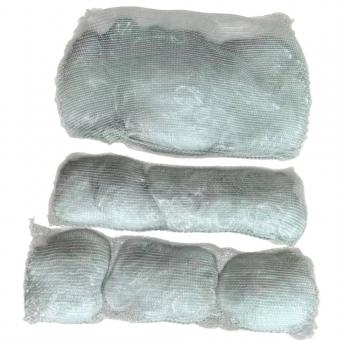
Preformed muffler packing is supplied as a defined component rather than as an unmeasured quantity of loose fiber. Depending on the construction, it may use inner and outer fabric layers around an acoustic packing core, a woven mesh bag containing glass fiber yarn, or another approved cover-and-filling arrangement.
The purpose of a preformed component is to move part of the measuring, cutting and containment work from the exhaust assembly line to the packing supplier. It does not remove the need to specify the fiber, component weight, dimensions, layer sequence and fit inside the silencer.
The BSTFLEX Exhaust Muffler Repack Packing uses fiberglass fabric layers around a muffler packing core. This guide explains how to turn that general construction into a repeatable OEM specification without treating every packing bag, sock, pillow or cartridge as the same product.
A preformed packing component reaches the customer in a defined physical arrangement. The supplier may control the shape, material quantity, cover and part identification before shipment.
Common descriptions include:
These names describe related purchasing concepts, but they do not define one universal construction. A muffler packing cartridge may be formed for direct insertion around a specific core. A sock may use a tubular mesh cover. A pillow may contain a measured filling in a flatter enclosed shape. The drawing and bill of materials determine what the product actually is.
A fabric-wrapped component contains at least two specification groups:
Do not describe the complete part only as fiberglass because the cover and the filling can have different constructions, weights and functions.
| Component Element | Main Function | What the Specification Should Define |
|---|---|---|
| Inner fabric layer | Separates or supports the packing beside the core according to the approved design. | Material, weave or construction, thickness, dimensions and seam position. |
| Acoustic packing core | Provides the main fibrous filling volume. | Fiber family, grade, supplied condition, dry filling weight, thickness and distribution. |
| Outer fabric layer | Contains the filling during handling, insertion and service where required. | Material, construction, dimensions, closure and overlap. |
| Stitching or closure | Maintains the component shape before and during assembly. | Thread material, stitch location, seam type and whether the closure remains in service. |
| Part label or package | Identifies the approved component and keeps it clean during shipping. | Part number, revision, quantity, lot reference and customer label requirements. |
For OEM muffler packing, keep the following weights separate:
The dry packing-core weight controls how much acoustic filling is supplied. Finished component weight is useful for receiving inspection, but it includes the cover and other incorporated materials.
A quotation should therefore state whether a target weight refers to:
Using total package weight as the only inspection value can hide an incorrect filling quantity. A heavier cover and a lighter acoustic core may produce the same total weight while creating a different packing construction.
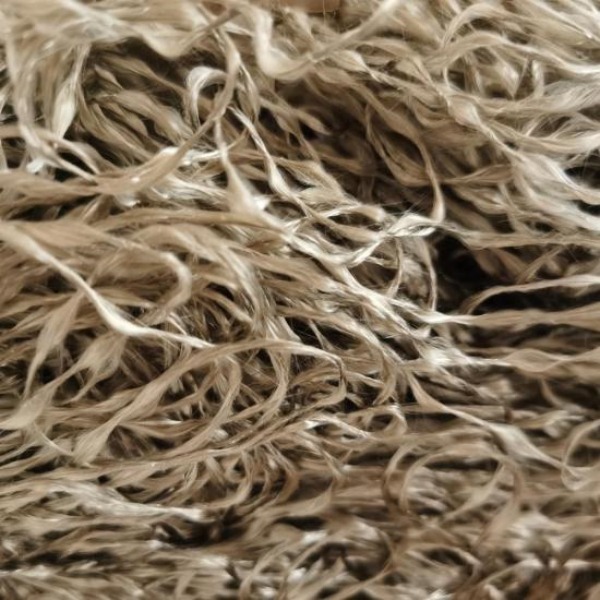
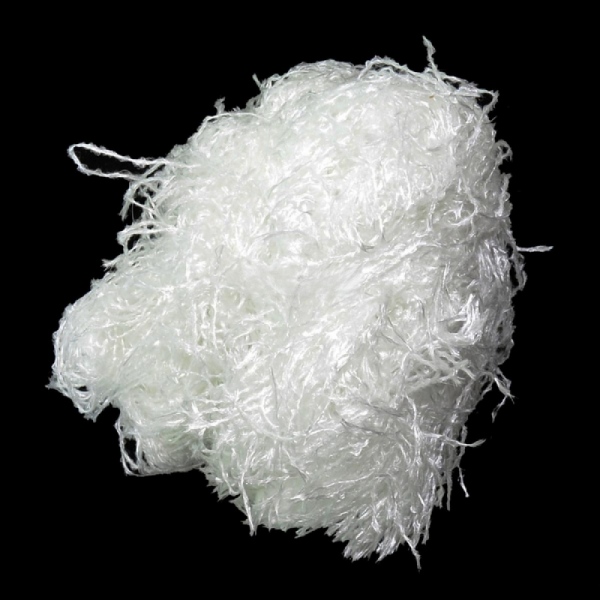
The phrase exhaust repack packing does not identify the acoustic fiber. The packing core may use fiberglass or another approved high-temperature material, depending on the product and application.
For a fiberglass construction, specify:
Do not approve a replacement solely because both products are described as fiberglass muffler packing. The fiber arrangement and the amount of material inside the component can differ substantially.
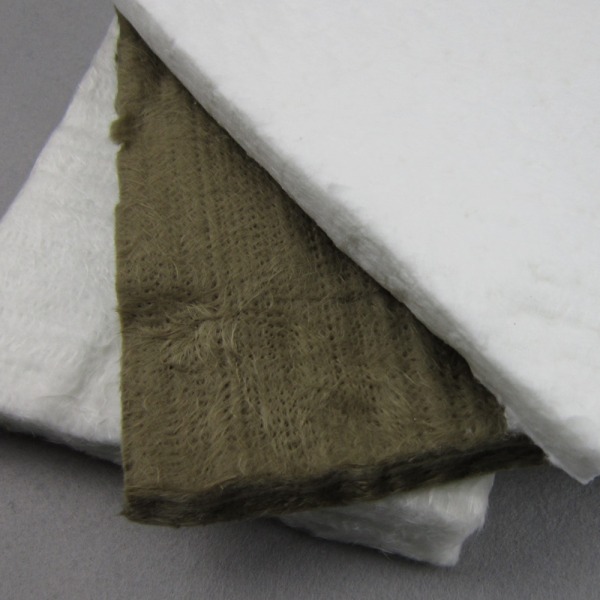
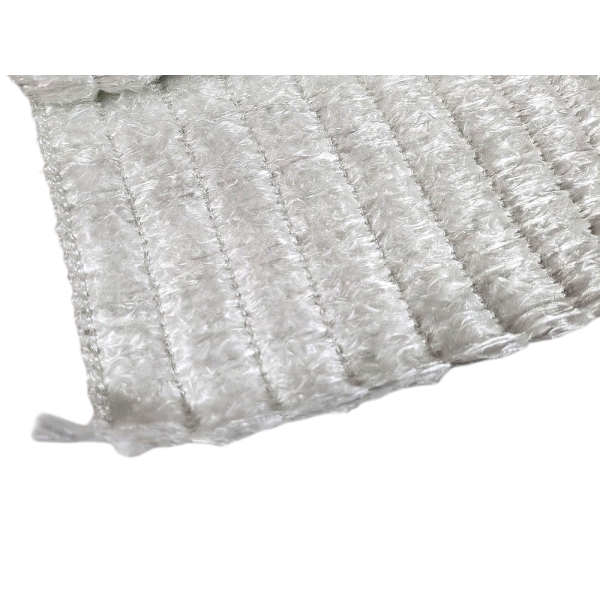
The inner and outer layers in a fabric-wrapped muffler packing component should be identified by their own material and construction.
Useful RFQ fields include:
A fabric layer used to contain packing is not automatically an acoustic packing material by itself. Likewise, a fiberglass cover should not be assigned the same filling-weight requirement as the core.
A preformed component must match the region available between the perforated core and the silencer shell.
Provide:
For an irregular silencer, a single outside diameter may not be enough. Supply a cross-section or drawing showing the narrow and wide regions of the chamber.
For a simple circular silencer with a centered core:
Available radial space = (shell inside diameter - excluded inner envelope outside diameter) / 2.
The excluded inner envelope may be the bare core or the core plus a metallic wrap, depending on the approved design.
As an arithmetic example only, a 110 mm shell ID around a 50 mm core provides a nominal radial space of:
(110 - 50) / 2 = 30 mm.
This does not mean that a 30 mm packing core should be ordered. The fabric layers, overlap, compression and insertion method also occupy space. The approved component dimensions must come from sample development or an existing specification.
A thick preformed part can contain a low amount of fiber when loosely formed, while a thinner component may contain more densely arranged material. Specify both thickness and filling weight.
Also define the condition in which thickness is measured:
Do not compare a compressed shipping dimension with a relaxed sample dimension. The drawing and inspection instruction should use the same measurement condition.
A longitudinal seam, fabric overlap or stitched edge can create a locally thicker area. Place that feature where the silencer design allows it, and show the position on the drawing.
The specification should identify:
For repeat assembly, do not leave the seam position entirely to the operator. A component that fits in one orientation may catch or compress unevenly when rotated.
The best purchasing description depends on the actual geometry and supply condition.
| Supply Form | Typical Construction Direction | Main Purchasing Check |
|---|---|---|
| Preformed packing cartridge | Assembly-ready component developed for insertion into a defined silencer or around a defined core. | Fitment, finished dimensions, orientation and approved part reference. |
| Fabric-wrapped packing component | Inner and outer fabric layers surrounding an acoustic packing core. | Fabric specifications, core weight, seam and component thickness. |
| Mesh packing sock | Tubular or flexible mesh containment around a fibrous filling. | Diameter, length, filling weight, cover construction and installation fit. |
| Packing pillow | Contained filling supplied in a flatter or compressed component form. | Material identity, finished dimensions, filling weight and required shaping. |
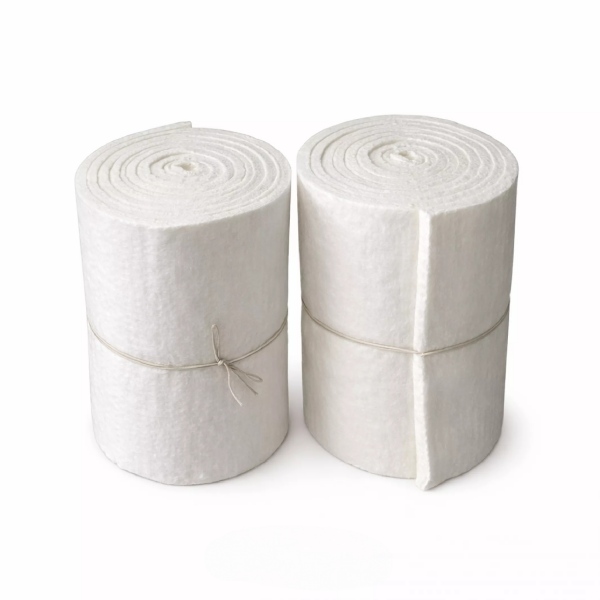
| Packing mat or sheet | Uncontained or partially supported sheet cut and wrapped during assembly. | Thickness, areal weight, cut pattern and overlap. |
The BSTFLEX Fiberglass Muffler Packing Sock with Woven Glass Mesh Bag is a different construction from the fabric-layered p203 product. Specify the product required rather than treating the two names as interchangeable.
For a contained pillow format, review the BSTFLEX Muffler Packing Pillow. For a multi-component service kit, review the BSTFLEX Muffler Repacking Kit.
A universal muffler repack packing component may require trimming or shaping during installation. A part-specific cartridge should match a defined silencer configuration.
For a universal component, provide:
For a part-specific component, control:
Engine displacement or a broad two-stroke/four-stroke description does not establish fitment by itself.
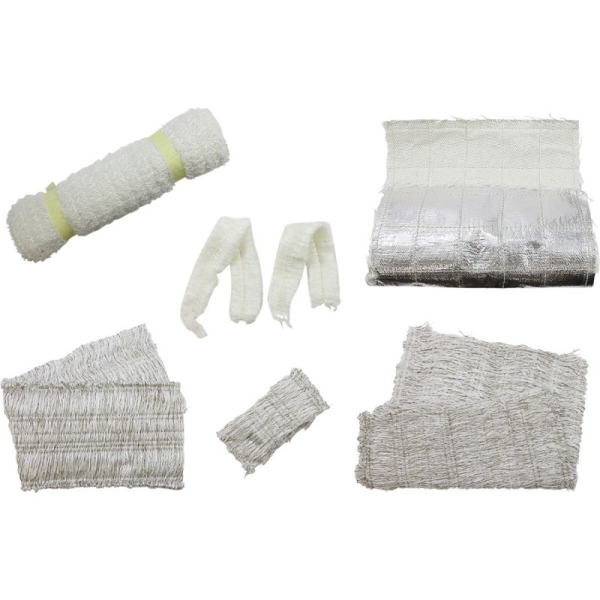
Cutting a finished packing bag or cartridge can release the filling, remove part of the approved charge and damage the closure.
If cutting is part of the installation process, define:
For repeat production, ordering the correct finished length is normally easier to control than allowing unmeasured trimming at every assembly station.
A successful cold insertion proves that the component can enter the shell. It does not prove acoustic performance, material retention or service life.
A sample approval record should identify:
Where the component replaces loose fill or a mat, document the previous construction and the variables that changed. Do not attribute every difference to the word preformed.
| Inspection Area | Typical Check |
|---|---|
| Part identity | Customer part number, product revision and lot reference. |
| Dimensions | Length, width, OD, ID or shaped profile as applicable. |
| Weight | Dry filling weight or complete component weight according to the approved basis. |
| Fabric cover | Correct inner and outer material, seam, closure and visible condition. |
| Core filling | Approved material reference and distribution without obvious empty regions. |
| Packaging | Correct quantity, label, barcode and package condition. |
| Documentation | Required material, inspection or conformity documents. |
Agree tolerances and a sampling plan before production orders. A single approved sample does not automatically define suitable acceptance limits for every dimension and weight.
A custom muffler packing program can include drawing-based dimensions, customer part identification and individual packaging.
Possible project requirements include:
These options should be linked to the approved technical specification. Packaging artwork cannot compensate for an undefined material or fitment requirement.
Drawing- and sample-based projects can be reviewed through the BSTFLEX OEM Muffler Packing Manufacturing Service.
If some values are unknown, identify them as development items. Send the original silencer cross-section and an unused packing sample where available.
Not necessarily. Cartridge is a broad market term for an assembly-ready packing component. A sock usually describes a tubular flexible containment structure. Compare the drawing, cover, filling and dimensions before treating them as equivalent.
No. Different preformed products may use woven fabric, mesh or another approved containment material. The cover and packing core should be specified separately.
Matching dry fiber weight is one useful control, but it does not prove equivalent distribution or performance. Approve the new component in the actual silencer.
BSTFLEX can review fabric-wrapped, mesh-contained and other custom muffler packing requirements based on drawings, dimensions or samples. Final terminology and construction should match the approved component.

Start with the BSTFLEX Exhaust Muffler Repack Packing for a fabric-layered component, or review the Fiberglass Muffler Packing Sock for a woven mesh-contained construction.
Other materials and supply forms are available in the BSTFLEX Muffler Packing range. Send the cross-section, material requirement, filling weight, dimensions and order quantity so the quotation reflects the actual component you need.
Request a Preformed Muffler Packing Sample and OEM Quote

No.10, Chuangxin North Road, Nanshan Park, Ningguo Economic and Technological Development Zone, Ningguo City, Anhui Province, China
هاتف/Whatsapp : 0086-15856303740
البريد الإلكتروني : sales@bstbraidedsleeve.com
Skype : vanesa-cheng