عن ماذا تبحث?

Truck muffler packing material should be selected from the actual exhaust duty, silencer geometry and approved acoustic construction rather than from vehicle size alone. Heavy-duty diesel trucks, tractors and construction equipment can expose an absorptive muffler to sustained load, vibration, road shock and high exhaust flow, making material selection and packing retention particularly important.
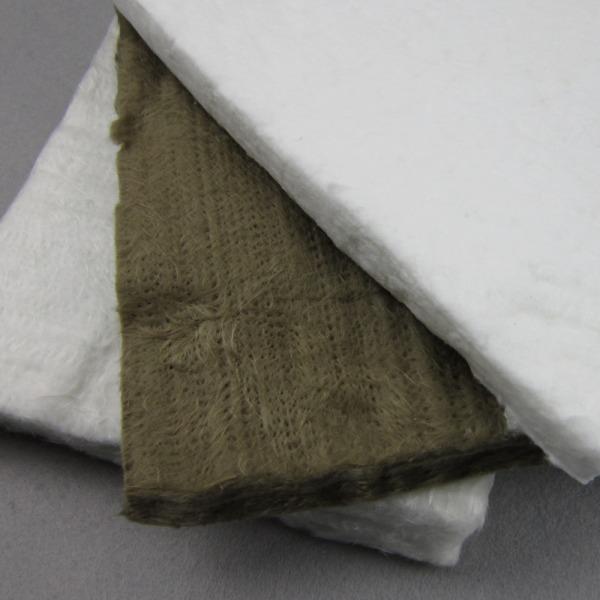
Fiberglass and basalt fiber are two material directions that can be used in suitable exhaust silencers. Fiberglass is widely used as an acoustic packing material, while basalt fiber can be evaluated where the approved design requires a different mineral-fiber construction for demanding thermal or mechanical service.
BSTFLEX supplies muffler packing materials for automotive, truck, powersports and industrial exhaust systems. This guide focuses on heavy-duty diesel mufflers and silencers that are specifically designed to contain fibrous acoustic packing.
Use the material already approved for the silencer whenever a valid production specification exists.
For a new or revised heavy-duty exhaust project:
The complete decision should include fiber grade, dry packing weight, chamber volume, installed density, gas-side protection, retention and sample validation.
Not every heavy-duty diesel exhaust component uses fibrous packing.
A modern vehicle exhaust may include:
Muffler packing belongs only in the acoustic cavity designed to contain it. It should not be inserted into a catalyst, DPF, SCR substrate or another aftertreatment component simply because that component is part of the exhaust system.
For an OEM RFQ, provide a cross-section showing the perforated tube or facing and the exact packing zone.
A truck muffler can operate under very different conditions from a small serviceable motorcycle silencer.
Relevant heavy-duty conditions can include:
These conditions do not automatically require one particular fiber. They define the environment against which the proposed packing system should be evaluated.
Fiberglass truck muffler packing can provide the main porous acoustic layer in a suitable absorption silencer. The purchasing specification should identify the actual glass grade and fiber construction rather than simply requesting fiberglass wool.
BSTFLEX fiberglass options include:
The correct supply format depends on how the exhaust manufacturer fills the silencer.
Possible production routes include:
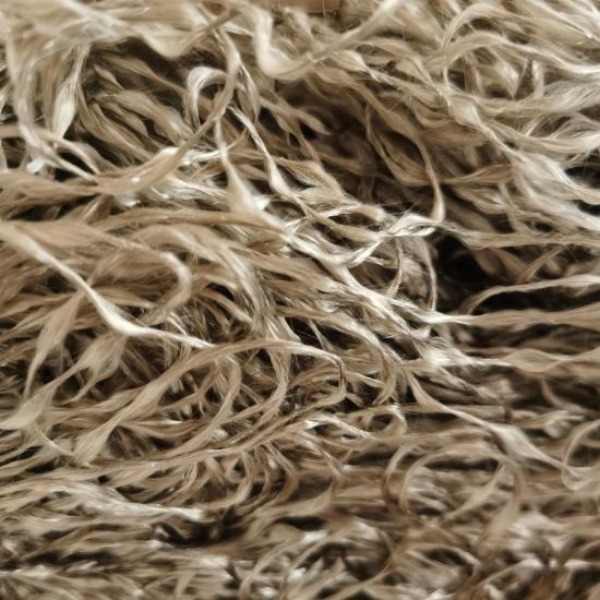
Basalt truck muffler packing provides another mineral-fiber option for exhaust silencers where its actual grade and construction have been approved for the duty.
BSTFLEX basalt packing options include:
Do not assume that every product described as basalt wool, rock fiber or mineral wool has the same fiber structure or exhaust suitability.
For an OEM project, specify:
| Selection Factor | Fiberglass Packing | Basalt Packing |
|---|---|---|
| Material specification | Identify glass grade and fiber construction. | Identify basalt fiber grade and construction. |
| Supply formats | Loose fiber, yarn, mat, sheet or contained component depending on product. | Loose fiber, mat or prepared component depending on product. |
| Thermal selection | Use the rating and service recommendation for the actual glass product. | Use the rating and service recommendation for the actual basalt product. |
| Mechanical duty | Review gas erosion, vibration and required retention. | Review the same conditions for the proposed basalt construction. |
| Production control | Specify dry weight, density, dimensions and installation method. | Specify dry weight, density, dimensions and installation method. |
| OEM approval | Validate the selected material in the complete silencer. | Validate the selected material in the complete silencer. |
The table deliberately does not assign one universal winner. The approved result depends on the specific fiber grade and exhaust system.
A maximum or classification temperature is not enough to select heavy duty muffler packing.
Ask the supplier what the quoted value represents:
Also identify the measurement location in the vehicle.
Exhaust gas temperature at the engine outlet is not the same as:
Material selection should use data relevant to the actual packing location.
Heavy-duty diesel exhaust layouts can include several treatment devices before or after a muffler or silencer.
For the packing RFQ, identify whether the absorptive silencer is located:
This information helps define the actual thermal and contamination environment.
Do not describe muffler packing as DPF packing, catalyst packing or SCR packing unless it is genuinely part of a separately engineered product with that function.
Strong exhaust pulses and gas movement through a perforated core can place mechanical stress on the inner surface of the acoustic packing.
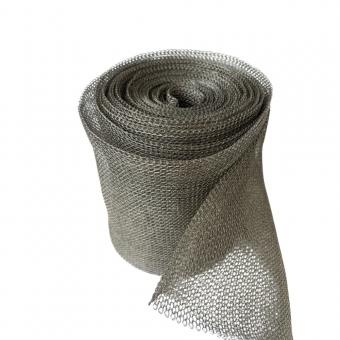
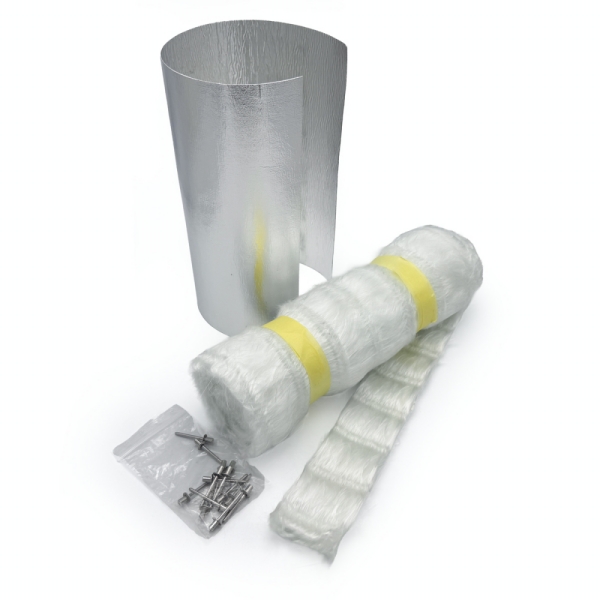
Some heavy-duty silencer constructions therefore use a stainless steel wool layer around the perforated tube before the main fiberglass or basalt filling.
BSTFLEX supplies:
The metallic layer should remain a separate specification from the main acoustic fiber.
A truck exhaust BOM should identify:
Do not assign the alloy of a wire screen automatically to the steel wool. Each constituent should have its own material designation.

A separate wire screen can be used where the silencer design requires additional packing containment.
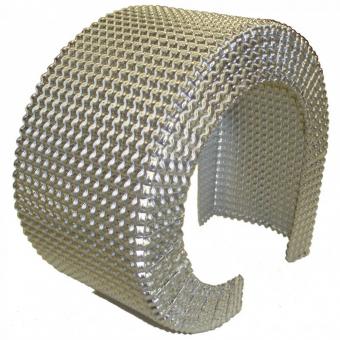
The BSTFLEX Stainless Steel Exhaust Screen provides a product direction for this type of component.
For OEM production, define:
The screen is a retaining component. Its weight should not be counted as fiberglass or basalt acoustic filling.
For a simple cylindrical absorptive muffler with a centered circular core:
V = π × (D2 - d2) × L / 4,000,000
when dimensions are in millimeters, where:
If steel wool or another inner layer surrounds the core, use its installed outside envelope rather than the bare core diameter where appropriate.
For oval, flattened, offset-core or multi-chamber truck mufflers, calculate the actual packing cavity from the drawing or CAD model.
When an installed density has already been validated for the selected material:
Dry fiber charge = net packing volume × approved installed density.
This equation converts an approved engineering requirement into a production quantity. It does not select the density for a new design.
Do not copy a packing density from:
without confirming that the material, geometry and duty are comparable.
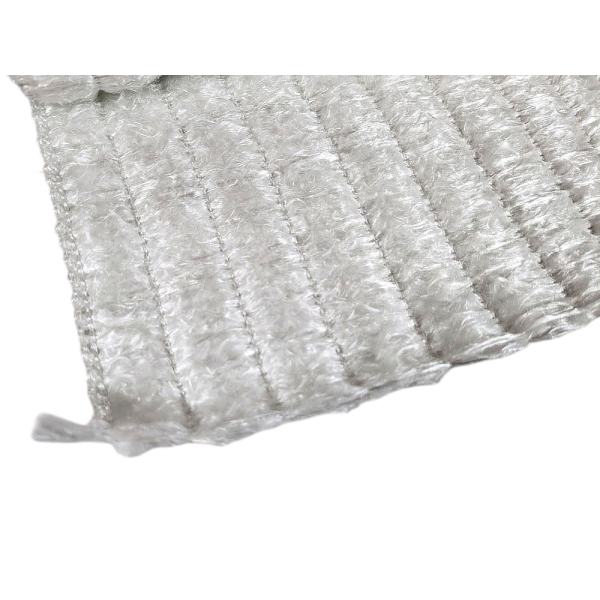
A large truck silencer can contain more than one absorptive cavity.
Separate zones may include:
Specify the material and dry charge for each zone rather than giving production only one total number.
A muffler can contain the correct total weight but still have insufficient material in one critical region.
Long-distance trucks, vocational vehicles and construction machines can expose silencers to sustained vibration and mechanical shock.
Sample approval should therefore evaluate more than cold assembly.
Record:
A material that survives heat but migrates under vibration may still be unsuitable for the intended truck application.
Diesel exhaust systems can experience soot and condensate depending on the engine, exhaust layout and operating cycle.
For replacement projects, inspect removed packing for:
Used material weight should not automatically be treated as the original production filling weight. Contamination can add mass while fiber loss reduces it.
| Supply Format | Suitable Manufacturing Route | Main Purchasing Controls |
|---|---|---|
| Bulk loose fiber | Factory weighs and distributes material internally. | Material grade, net package weight and approved charge per silencer. |
| Continuous fiber or yarn | Factory has an established filling or forming process. | Fiber construction, package form and consumption per part. |
| Mat or sheet | Repeat cutting and wrapping around a defined core or panel. | Areal weight, thickness, cut pattern and piece weight. |
| Pre-weighed charge | Production requires a fixed quantity for each muffler. | Dry fiber weight, tolerance, bag tare and label. |
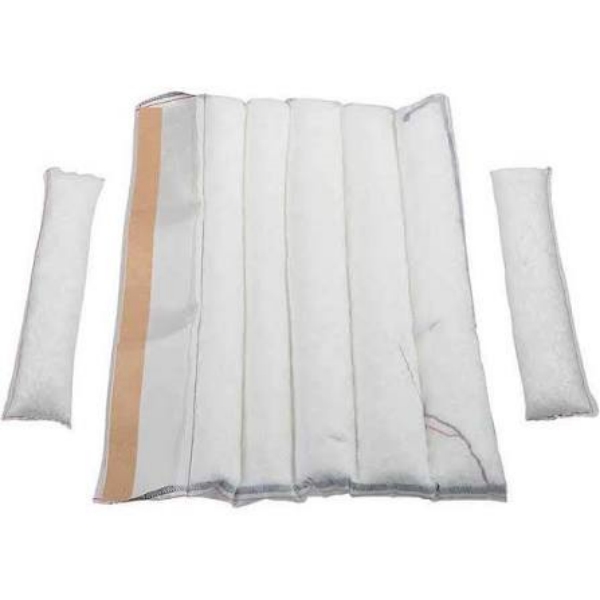
| Contained component | Factory wants cleaner handling and a defined shape. | Filling weight, dimensions, cover construction and installed fit. |
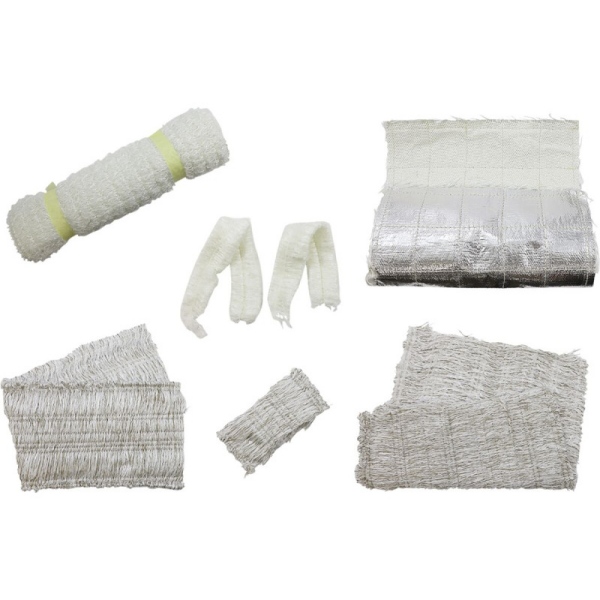
For a high-volume truck muffler program, one approved fiber charge can be packaged for each silencer or each separate packing zone.
The package can identify:
This can reduce operator-to-operator variation where line-side weighing is currently performed manually.
However, pre-weighed supply should be compared with the customer's existing automated or controlled filling process before assuming it reduces production cost.
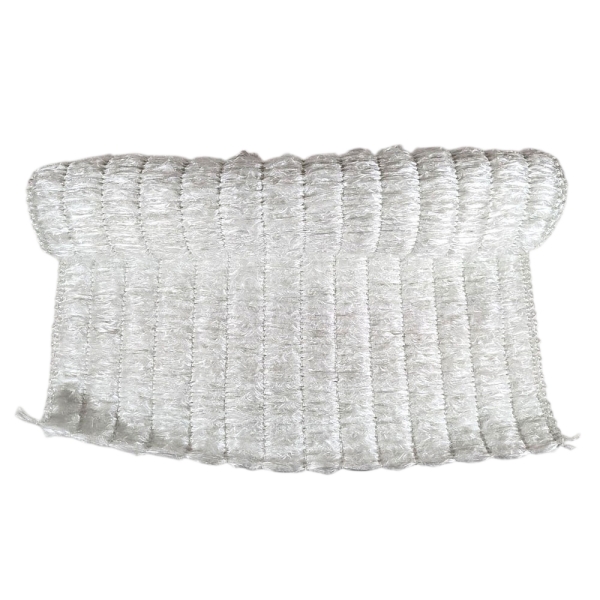
A contained packing component can be developed where loose fiber handling or repeat positioning creates a production problem.
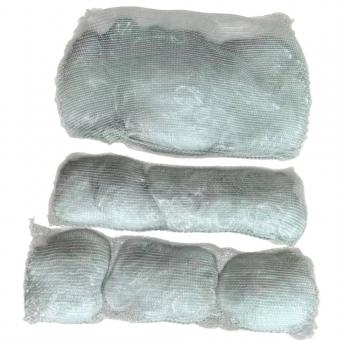
BSTFLEX supplies a Fiberglass Muffler Packing Sock with Woven Glass Mesh Bag for suitable applications.
For a truck project, specify:
Do not assume an existing motorcycle-size sock can simply be scaled to a heavy-duty truck without sample validation.
| Inspection Item | What to Verify |
|---|---|
| Material identity | Approved fiberglass, basalt or metallic material reference. |
| Dry filling quantity | Net fiber weight according to the released specification. |
| Mat or component dimensions | Length, width, thickness, diameter or custom geometry. |
| Metallic protection | Correct wool, mesh or core-wrap specification where required. |
| Condition | No unacceptable contamination, moisture or packaging damage. |
| Identification | Part number, drawing revision, lot and required traceability. |
| Packaging | Correct net weight, piece count and carton configuration. |
| RFQ Field | Information to Provide |
|---|---|
| Vehicle application | Heavy truck, tractor, vocational truck, construction vehicle or other diesel equipment. |
| Engine information | Engine type, fuel and relevant operating duty. |
| Exhaust layout | Location of muffler relative to turbocharger and aftertreatment components. |
| Silencer construction | Cross-section, packing zones and perforated-core arrangement. |
| Material | Existing approved fiberglass, basalt or other packing specification. |
| Thermal conditions | Continuous and peak temperature with measurement location. |
| Filling requirement | Dry weight, installed density or development requirement for each zone. |
| Retention | Stainless steel wool, core sleeve, retaining screen or another approved layer. |
| Supply form | Bulk fiber, mat, roll, pre-cut piece, pre-weighed charge or preformed component. |
| Commercial requirement | Prototype quantity, annual volume, packaging, labeling and traceability. |
Fiberglass can be used in suitable absorptive truck silencers when the selected grade, fiber construction, packing quantity and operating conditions have been approved for that design.
There is no universal answer. Compare the exact fiberglass and basalt products against the truck's thermal conditions, vibration, gas-side protection, silencer geometry, production method and validation requirements.
Only where the approved silencer design requires it. Stainless steel wool may provide a core-side metallic layer, but it is not mandatory in every truck muffler.
Do not treat aftertreatment substrates as muffler packing cavities. Fibrous acoustic packing should only be installed in the regions specifically designed for that material.
Use the approved muffler specification when available. Otherwise determine the actual acoustic cavity volume and develop the required dry fiber charge through the silencer engineering and validation process.
BSTFLEX can review bulk fiberglass, basalt packing, stainless steel wool, mats, pre-weighed charges and fabricated packing components for suitable OEM truck and heavy-equipment exhaust projects.
Send BSTFLEX the muffler drawing, packing-zone dimensions, existing material specification, exhaust operating conditions and required annual volume.
For material comparison, identify whether the project is an approved fiberglass replacement, a proposed basalt alternative or a new silencer development. This prevents a material change from being treated as a simple purchasing substitution.
Drawing- and sample-based development can be reviewed through the BSTFLEX OEM Muffler Packing Manufacturing Service. Other acoustic materials and supply formats are available in the Muffler Packing product range.

No.10, Chuangxin North Road, Nanshan Park, Ningguo Economic and Technological Development Zone, Ningguo City, Anhui Province, China
هاتف/Whatsapp : 0086-15856303740
البريد الإلكتروني : sales@bstbraidedsleeve.com
Skype : vanesa-cheng