عن ماذا تبحث?
يعتمد أداء كاتم صوت العادم من نوع الامتصاص على عوامل تتجاوز غلافه الخارجي وقلبه المثقب. فالمادة التي تشغل الفراغ الحلقي المحيط بهذا القلب تؤثر بشكل مباشر على تخفيف الصوت، وثباته، وثبات الحشوة، وعمر الخدمة.
ولهذا السبب،حشوة كاتم الصوت المصنوعة من الألياف الزجاجيةلا تزال واحدة من أكثر مواد الحشو الصوتي استخدامًا في كاتمات صوت عوادم الدراجات النارية والسيارات والمركبات الرياضية عالية الأداء.
تُوفر شركة BSTFLEX حشوات كاتم الصوت المصنوعة من الألياف الزجاجية، سواءً كانت سائبة أو ذات ألياف متصلة أو مُغلفة مسبقًا، وذلك لتطبيقات الاستبدال ولإنتاج كاتمات الصوت الأصلية. كما يُمكن للمشترين الذين يحتاجون إلى حشوات جاهزة للتركيب استخدام منتجاتنا.جورب تغليف كاتم الصوت المصنوع من الألياف الزجاجية مع كيس شبكي من الزجاج المنسوجبينما تتوفر حلول إضافية لتعبئة العادم من خلالمجموعة منتجات حشو كاتم الصوت.
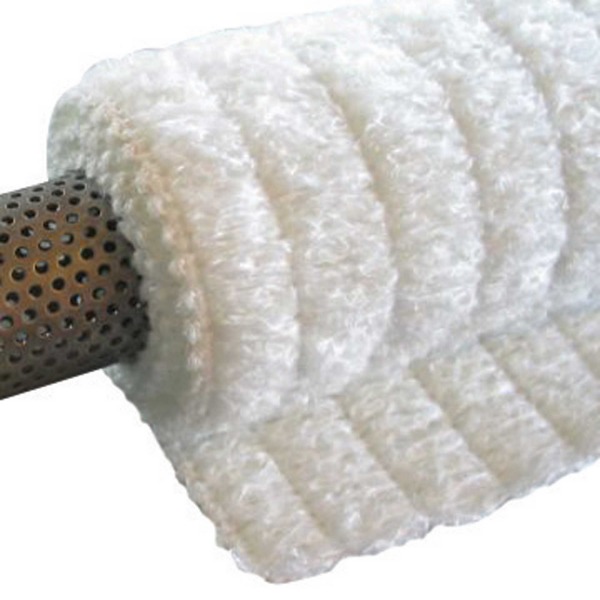
في كاتم الصوت ذي التدفق المباشر، يمر غاز العادم بشكل أساسي عبر الأنبوب المركزي المثقب. وتمر موجات الضغط الصوتي عبر الفتحات الموجودة في هذا الأنبوب وتدخل إلى الحشوة الليفية المحيطة.
تساعد مساحة السطح الداخلية الكبيرة التي توفرها الألياف الزجاجية على تبديد جزء من هذه الطاقة الصوتية.
وهذا يجعل الألياف الزجاجية مناسبة للمخمدات حيث يكون الهدف من التصميم هو تقليل ضوضاء العادم دون إنشاء مسار التدفق المقيد المرتبط ببعض تصميمات كاتم الصوت ذي الحجرات.
وبالتالي، تؤدي طبقة التعبئة عدة وظائف في وقت واحد:
امتصاص الطاقة الصوتية؛
العزل الحراري داخل غلاف كاتم الصوت؛
ملء الفراغ المحيط باللب المثقب؛
تثبيت صوت العادم المطلوب؛
دعم تصميم كاتم صوت خفيف الوزن.
لا تعتمد النتيجة على مادة الألياف نفسها فحسب، بل تعتمد أيضًا على ترتيب الألياف، ووزن التعبئة، والكثافة، وهندسة كاتم الصوت، وطريقة التركيب.
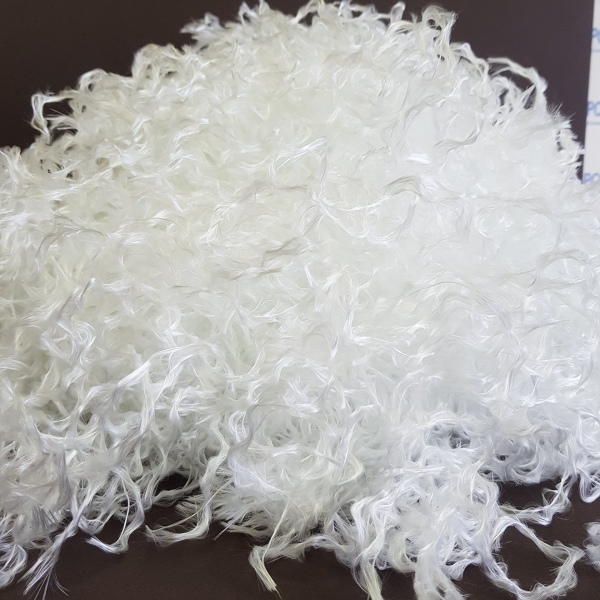
العبارةمادة تغليف كاتم الصوت المصنوعة من الألياف الزجاجيةيصف مجموعة من الإنشاءات بدلاً من مواصفات ثابتة واحدة.
قد يحتاج مصنع العادم إلى ألياف سائبة للتعبئة الآلية، أو خيوط متصلة للتغليف المتحكم فيه، أو حصيرة للتجميع المتكرر، أو كيس أو جورب مُشكّل مسبقًا لتركيب أسرع.
تشمل أشكال التوريد الشائعة ما يلي:
| تنسيق التعبئة | بناء | السبب النموذجي للاختيار |
|---|---|---|
| ألياف زجاجية سائبة | ألياف مجانية أو حشو سائب | حشو مرن للتجاويف غير المنتظمة |
| ألياف زجاجية متصلة | ألياف طويلة متصلة | تحسينات في التعامل واستمرارية الألياف |
| الألياف الزجاجية المزخرفة | هيكل من الألياف الزجاجية المجمعة | زيادة الحجم ومساحة السطح الصوتي |
| حصيرة من الألياف الزجاجية | ملاءة أو بطانية ذات شكل محكم | سُمك وتركيب قابلان للتكرار |
| وسادة التعبئة | ألياف مغلفة بطبقة حافظة | تجميع أنظف من قبل الشركة المصنعة الأصلية |
| حقيبة التعبئة | ألياف زجاجية مغلقة مُقاسة مسبقًا | وزن التعبئة المتحكم به |
| جورب التعبئة | هيكل أنبوبي مرن محتوي | تركيب سريع حول النوى المثقبة |
| قالب مسبق الصنع حسب الطلب | مصنوع وفقًا لهندسة محددة | إنتاج المعدات الأصلية المتكرر |
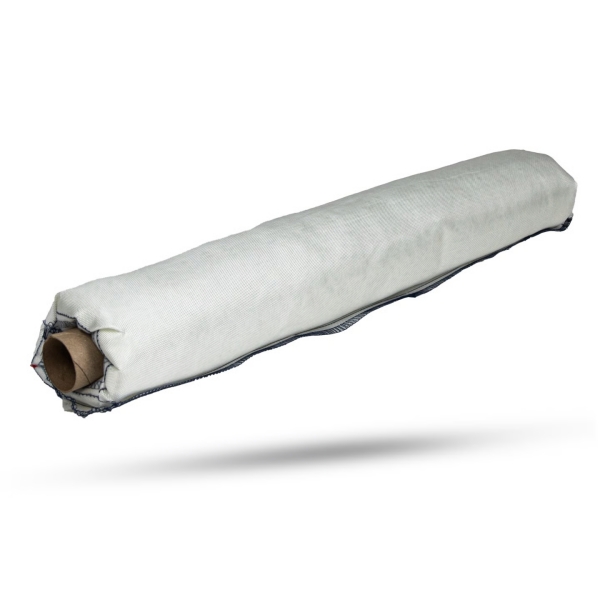
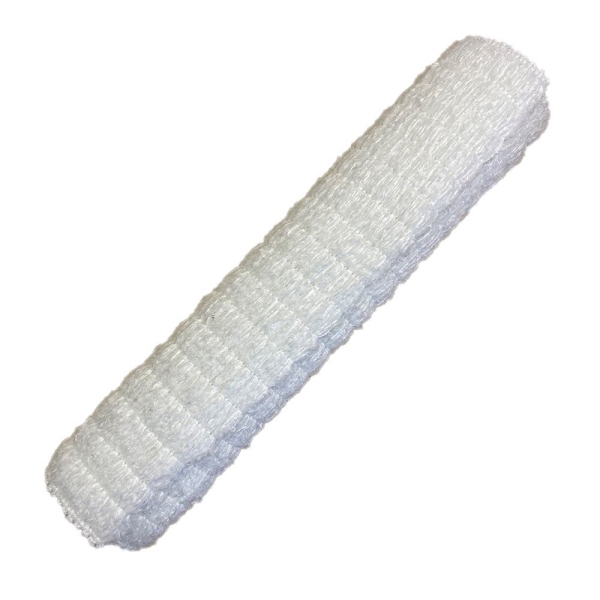
بالنسبة للتطبيقات التي لا يُفضل فيها التعامل مع الألياف السائبة، تقوم شركة BSTFLEX بتصنيعجورب حشو كاتم الصوت المصنوع من الألياف الزجاجيةيتكون من طبقة احتواء خارجية من شبكة زجاجية منسوجة مع حشو من خيوط الألياف الزجاجية.
يحافظ هذا الشكل على تماسك الحشوة أثناء وضعها حول قلب كاتم الصوت.
من أكثر الأخطاء شيوعاً في إعادة تعبئة نظام العادم هو اعتبار زيادة كمية التعبئة أفضل تلقائياً.
ليس كذلك.
قد يؤدي تركيب الألياف الزجاجية بشكل غير محكم إلى ظهور مناطق غير متساوية حول اللب المثقب. ويمكن أن يؤدي نبض الغاز والاهتزاز إلى إعادة توزيع المادة، مما قد يساهم في فقدان الأداء الصوتي قبل الأوان.
يُسبب الضغط المفرط مشكلة أخرى. فالضغط الشديد على الألياف يقلل من البنية الليفية المفتوحة التي تُساهم في امتصاص الصوت.
بالنسبة لإنتاج أنظمة العادم الأصلية، فإن المواصفات الأكثر فائدة ليست ببساطة:
املأ كاتم الصوت بالألياف الزجاجية.
ينبغي على الشركة المصنعة تحديد تركيبة مضبوطة من:
حجم التعبئة المتاح؛
الوزن المطلوب للحشو؛
الكثافة المركبة؛
مستوى الضغط؛
قطر اللب؛
قطر الغلاف الخارجي؛
طول التعبئة.
بالنسبة للإنتاج المتكرر، يمكن أن يؤدي تحديد التعبئة حسب الوزن أو استخدام جورب أو كيس تعبئة مُقاس مسبقًا إلى تحسين اتساق التجميع.
لنفترض وجود كاتمين للصوت مصنوعين من نفس نوع الألياف الزجاجية تماماً.
أحدهما ذو تجويف حلقي كبير وقلب مثقب طويل. أما الآخر فهو كاتم صوت قصير وصغير الحجم للدراجات النارية ذو مساحة تخزين محدودة.
لا ينبغي أن يستخدموا تلقائيًا نفس وزن التعبئة أو نفس التركيب.
تتضمن المعلومات المتعلقة بالأبعاد المهمة ما يلي:
D1 - القطر الخارجي للقلب المثقب
D2 — القطر الداخلي لغلاف كاتم الصوت
L - طول التعبئة الفعال
يتم تحديد حجم التعبئة المتاح إلى حد كبير من خلال المساحة الحلقية بين D1 و D2 مضروبة في طول التعبئة الفعال.
ولهذا السبب تطلب BSTFLEX عادةً من عملاء OEM الرسومات أو العينات أو على الأقل قطر القلب وقطر الغلاف وطول التعبئة قبل التوصية ببنية التعبئة النهائية.
لا تُعد درجة الحرارة الآلية الوحيدة التي تُتلف حشوة كاتم الصوت.
تتعرض الطبقة المجاورة مباشرة للأنبوب المثقب لما يلي:
نبضات عادم عالية السرعة؛
دورات الضغط؛
اهتزاز؛
جسيمات ساخنة؛
تسارع وتباطؤ متكرران لتدفق الغاز.
بمرور الوقت، يمكن لهذه الظروف أن تؤدي إلى تآكل أو إزاحة الألياف الزجاجية بالقرب من اللب المثقب.
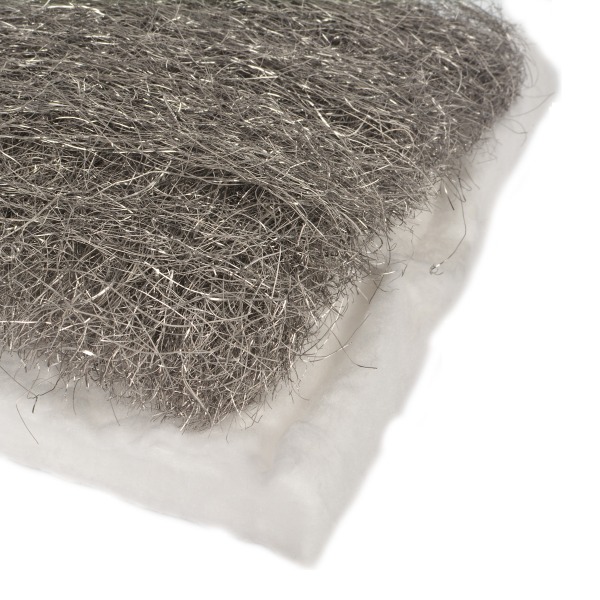
في الأنظمة الصعبة، قد يستخدم مصممو أنظمة العادم ترتيبًا متعدد الطبقات بدلاً من وضع الطبقة الصوتية الرئيسية المصنوعة من الألياف الزجاجية مباشرة على القلب.
قد يستخدم البناء الهندسي النموذجي ما يلي:
قلب مثقب
↓
صوف فولاذي مقاوم للصدأ أو طبقة تثبيت معدنية
↓
حشوة صوتية من الألياف الزجاجية
↓
الغلاف الخارجي لكاتم الصوت
يمكن للطبقة المعدنية الداخلية أن تساعد في حماية الألياف الزجاجية المحيطة من التآكل المباشر للغاز بينما تؤدي الألياف الزجاجية وظيفة امتصاص الصوت الأساسية.
يُعد هذا التمييز مهمًا عند المقارنةحشوة كاتم الصوت من الألياف الزجاجية والصوف الفولاذي المقاوم للصدأ.
ليست بالضرورة مواد متنافسة. في العديد من تصميمات أنظمة العادم، تؤدي هذه المواد وظائف مختلفة ضمن نظام التعبئة نفسه.
تؤثر بنية الألياف على كيفية تصرف المادة أثناء التجميع والاستخدام.
يمكن للألياف الزجاجية السائبة أن تملأ المساحات الداخلية المعقدة بشكل فعال وتسمح للشركة المصنعة بالتحكم في وزن الحشو.
ومع ذلك، فإن التعامل اليدوي قد يكون فوضوياً، ويتطلب تحقيق توزيع متطابق من كاتم صوت إلى آخر تحكماً منضبطاً في الإنتاج.
يسهل تنظيم الألياف المتصلة حول أنبوب مثقب ويمكنها تقليل الهجرة غير المنضبطة مقارنة بالألياف القصيرة جدًا والفضفاضة.
وهي مناسبة بشكل خاص عندما يتم تشكيل العبوة على النحو التالي:
خيوط؛
لفائف؛
وسائد؛
جوارب؛
أكياس تغليف مرفقة.
بالنسبة للتجميع بكميات كبيرة، فإن تغليف الألياف الزجاجية داخل شبكة زجاجية مقاومة للحرارة يمكن أن يجعل عملية التركيب أسهل بكثير.
BSTFLEXجورب تغليف كاتم الصوت المصنوع من الألياف الزجاجية مع كيس شبكي من الزجاج المنسوجيستخدم هذا المبدأ.
بدلاً من قيام العمال بقياس وتحديد موضع الألياف الزجاجية السائبة لكل كاتم صوت، يمكن إنتاج مكون نهائي بقطر وطول ووزن تعبئة متفق عليها.
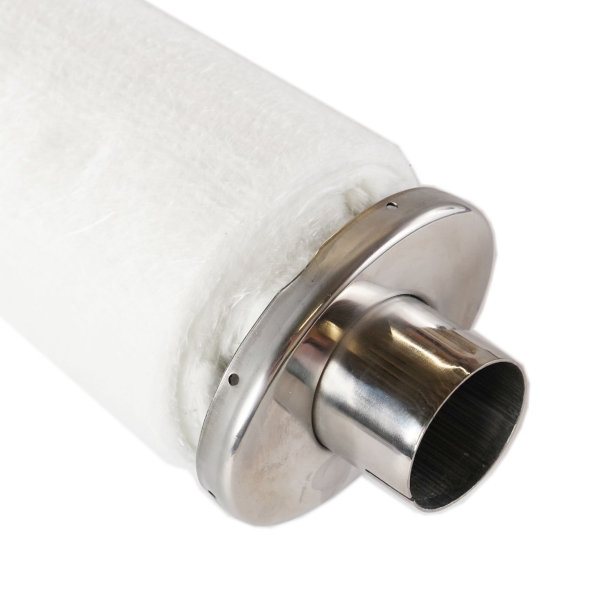
تعتبر الحشوات المصنوعة من الألياف الزجاجية مناسبة بشكل خاص للمخمدات والمخمدات من نوع الامتصاص التي تستخدم أنبوبًا داخليًا مثقبًا.
تشمل التطبيقات النموذجية ما يلي:
تستخدم أنظمة عادم الدراجات النارية المصنعة من قبل الشركات المصنعة الأصلية والبديلة الألياف الزجاجية بشكل متكرر لأن طبقة التعبئة الخفيفة نسبيًا يمكن أن توفر تخفيفًا صوتيًا فعالًا حول قلب مستقيم.
تتعرض أنظمة العادم في المركبات الرياضية للاهتزازات الشديدة والتغيرات الحرارية المتكررة. لذا، فإن تصميم الحشوة وثباتها مهمان بالإضافة إلى امتصاص الصوت.
تتطلب كاتمات الصوت ذات الأداء العالي ذات التدفق المباشر تخفيفًا صوتيًا مع الحفاظ على مسار غاز غير مقيد نسبيًا.
يمكن دمج حشوات الألياف الزجاجية في تركيبات كاتمات الصوت المختارة للسيارات حيث تكون هناك حاجة إلى مواد امتصاص الصوت حول المكونات الداخلية المثقبة.
تزداد أهمية وزن التعبئة، والاحتفاظ بها، ومقاومتها لتآكل الغاز مع ارتفاع درجة حرارة العادم وسرعة الغاز.
يمكن أيضًا استخدام الألياف الزجاجية في كاتمات الصوت الصناعية المناسبة، على الرغم من أنه يجب مطابقة درجة الألياف الفعلية والبنية المحيطة بها مع درجة حرارة التشغيل والتركيب الكيميائي للغاز وظروف التدفق.
قد يبدو صوت كاتم الصوت في البداية هادئًا ثم يصبح أعلى تدريجيًا على الرغم من أن الغلاف المعدني يظل سليمًا.
قد تتدهور الحشوة الداخلية بسبب عدة آليات.
تهاجم نبضات العادم عالية السرعة تدريجياً المادة الأقرب إلى الأنبوب المثقب.
قد يؤدي الاهتزاز إلى إعادة توزيع المواد التي لم يتم الاحتفاظ بها بشكل كافٍ.
يمكن أن يؤدي التسخين والتبريد المتكرر إلى تغيير بنية نظام التعبئة والتغليف على مدى فترة خدمة طويلة.
يمكن أن تؤثر الزيوت ومخلفات الوقود والسخام ونواتج الاحتراق على سلوك البنية الليفية.
قد يتعطل كاتم الصوت المعبأ بشكل غير صحيح في وقت أبكر بكثير من كاتم الصوت المماثل الذي تم تجميعه بوزن التعبئة والتوزيع الصحيحين.
لذلك، غالباً ما يكون ازدياد ضوضاء العادم مؤشراً مفيداً على ضرورة فحص الحشوة الداخلية.
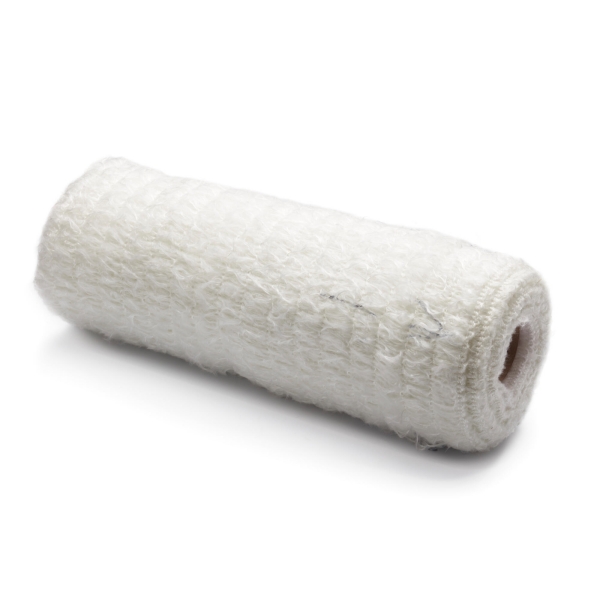
يستخدم هذان المنتجان نفس عائلة الألياف العامة ولكنهما يحلان مشاكل تصنيعية مختلفة.
| متطلبات | الألياف الزجاجية السائبة / التقليدية | جورب تغليف من الألياف الزجاجية |
|---|---|---|
| كمية تعبئة مرنة | ممتاز | محدد مسبقًا |
| حشو غير منتظم للتجويف | ممتاز | يعتمد على التطبيق |
| نظافة التركيب | معتدل | عالي |
| اتساق وزن التعبئة | يعتمد على المشغل | أسهل في التحكم |
| مصنع التجميع | معتدل | عالي |
| احتواء الألياف أثناء التجميع | محدود | مُحسَّن |
| قابلية التكرار لدى الشركة المصنعة الأصلية | يتطلب التحكم في العملية | جيد جدًا |
| أبعاد نهائية مخصصة | ممكن | ممتاز |
لا يوجد شكل متفوق بشكل عام.
قد يفضل ورشة الإصلاح استخدام المواد المرنة بكميات كبيرة.
قد يولي مصنع عوادم يقوم بتجميع آلاف كاتمات الصوت المتشابهة قيمة أكبر للتحكم في الوزن وسرعة التركيب.
ولهذا السبب، توفر شركة BSTFLEX منتجات مصنوعة من مواد خام ومنتجات مصنعة.حلول تعبئة كاتم الصوت.
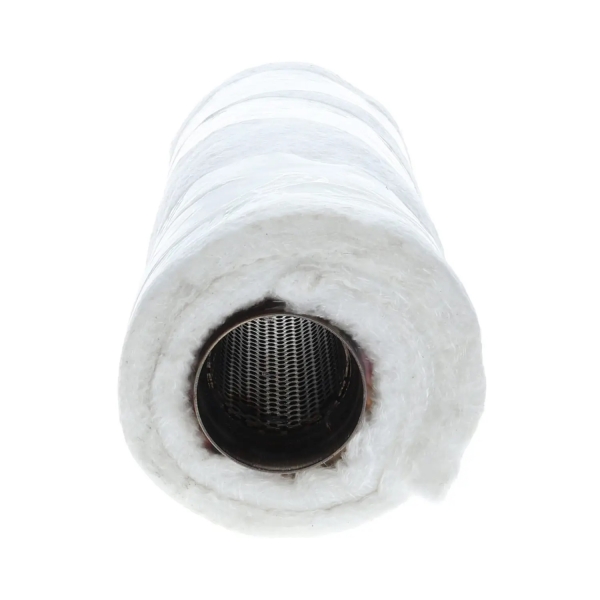
إن الطلب الذي ينص فقط على "حشوة كاتم صوت من الألياف الزجاجية" عادة ما يكون غير كافٍ للإنتاج الدقيق.
لأغراض التطوير أو الحصول على عروض الأسعار، فإن المعلومات التالية أكثر فائدة:
يمد:
القطر الخارجي للقلب المثقب؛
القطر الداخلي لغلاف كاتم الصوت؛
طول التعبئة الفعال؛
سُمك التعبئة الشعاعية المتاح.
حدد ما إذا كان ذلك معروفاً:
الوزن المطلوب للتعبئة؛
الكثافة المستهدفة؛
بناء الألياف؛
سمك الحصيرة؛
عدد الطبقات؛
متطلبات الضغط.
يشمل:
نوع المحرك؛
بنزين أو ديزل؛
محرك ثنائي الأشواط أو رباعي الأشواط؛
درجة حرارة التشغيل العادية؛
درجة الحرارة القصوى؛
سرعة الغاز المتوقعة أو دورة التشغيل حيثما كان ذلك متاحًا.
حدد ما إذا كانت التعبئة ستكون كالتالي:
مغلفة يدوياً؛
مملوءة آلياً؛
تم إدخالها كبساط؛
مثبتة كوسادة؛
تم تركيبه كجورب جاهز.
بالنسبة لمشاريع الإنتاج، يرجى تقديم ما يلي:
كمية النموذج الأولي؛
الاستهلاك الشهري أو السنوي؛
متطلبات التغليف الفردي؛
متطلبات العلامة التجارية الخاصة؛
تتوفر الرسومات أو العينات.
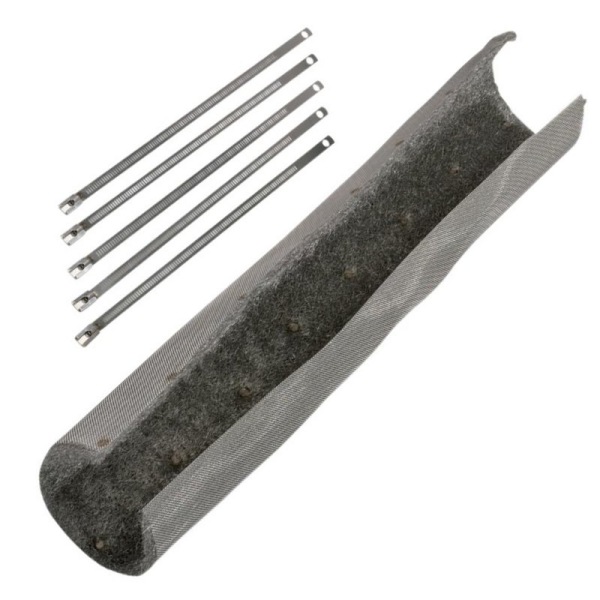
تقوم شركة BSTFLEX بتطوير مواد حشو العادم لمصنعي العادم، وعلامات عادم الدراجات النارية، والموزعين، والعملاء الصناعيين بدلاً من حصر التوريد في حجم استبدال ثابت واحد.
قد تشمل خيارات التخصيص المتاحة ما يلي:
قطر التعبئة؛
الطول الإجمالي؛
وزن حشو الألياف الزجاجية؛
كثافة التعبئة؛
بناء الحصيرة أو الخيوط؛
حاوية شبكية من الألياف الزجاجية المنسوجة؛
أبعاد الجوارب أو الحقائب؛
هياكل متعددة الطبقات؛
مجموعات الصوف الفولاذي المقاوم للصدأ؛
التعبئة بالجملة؛
مجموعات إعادة التعبئة الفردية؛
تغليف العلامات التجارية الخاصة؛
التطوير القائم على العينات.
للاطلاع على التطبيقات التي تتطلب مكونًا مُجمَّعًا بدلًا من مادة حشو سائبة، انظرجورب تعبئة كاتم الصوت المصنوع من الألياف الزجاجية من BSTFLEX.
للاطلاع على مواد وتصاميم بديلة، تفضل بزيارة الموقع الكاملمجموعة حشوات كاتم الصوت.
بالنسبة لكواتم الصوت القياسية الممتصة، يوفر الألياف الزجاجية مزيجًا فعالًا من الأداء الصوتي، والكتلة المنخفضة، ومقاومة الحرارة، ومرونة التصنيع.
لكن لا يمكن اختيار المنتج الصحيح من اسم المادة فقط.
يأخذ نظام التعبئة المصمم هندسيًا بشكل صحيح في الاعتبار ما يلي:
نوع الألياف + شكل التعبئة + الكثافة المركبة + هندسة كاتم الصوت + درجة حرارة العادم + سرعة الغاز + طريقة الاحتفاظ
بالنسبة لتطبيقات الاستبدال، قد تكون الحشوات التقليدية المصنوعة من الألياف الزجاجية كافية.
في إنتاج المعدات الأصلية، تزداد أهمية إمكانية التكرار. يمكن للحصائر والأكياس والوسائد أو جوارب التعبئة المصنوعة من الألياف الزجاجية والمقاسة مسبقًا أن تقلل من التباين في تجميعات كاتم الصوت النهائية.
في بيئات العادم الشديدة، قد يوفر التركيب المركب الذي يجمع بين الألياف الزجاجية والصوف الفولاذي المقاوم للصدأ أو طبقة داخلية واقية أخرى مقاومة أفضل لتآكل الحشوات.
بإمكان شركة BSTFLEX تطوير حشوات عادم من الألياف الزجاجية وفقًا للرسومات والأبعاد ووزن التعبئة المستهدف أو العينات الأصلية لتطبيقات كاتم صوت العادم للدراجات النارية والسيارات والرياضات الآلية والسباقات والصناعية.
للحصول على توصية أو عرض أسعار دقيق، أرسل BSTFLEX:
القطر الخارجي الأساسي؛
معرف الصدفة؛
طول التعبئة؛
الوزن أو الكثافة المطلوبة للتعبئة؛
تطبيق العادم؛
درجة حرارة التشغيل المقدرة؛
رسم أو عينة؛
كمية الطلب.
يمكن لشركة BSTFLEX بعد ذلك أن توصي بتركيبة حشو كاتم صوت فضفاضة من الألياف الزجاجية أو حصيرة أو كيس أو جورب أو تركيبة حشو كاتم صوت مناسبة لتصميم كاتم الصوت.

No.10, Chuangxin North Road, Nanshan Park, Ningguo Economic and Technological Development Zone, Ningguo City, Anhui Province, China
هاتف/Whatsapp : 0086-15856303740
البريد الإلكتروني : sales@bstbraidedsleeve.com
Skype : vanesa-cheng