عن ماذا تبحث?
لا يعتمد الاختيار بين مادة درع الحرارة من الفولاذ المقاوم للصدأ ومادة درع الحرارة من الألومنيوم ببساطة على أي معدن يمكنه تحمل حرارة أكبر. يعتمد الاختيار الصحيح على مكان تركيب الدرع، وشدة مصدر الحرارة، وأهداف وزن المركبة، والتعرض للتآكل، والاهتزاز، ومتطلبات التشكيل، والعمر التشغيلي المتوقع للمكوّن.
تُستخدم كلتا المادتين على نطاق واسع في أنظمة الإدارة الحرارية للسيارات، لكن أداءهما يختلف. يتميز الألومنيوم بكونه مناسبًا عندما تكون الأولوية للوزن المنخفض والانعكاس الفعال للحرارة الإشعاعية. ويُختار الفولاذ المقاوم للصدأ عمومًا عندما يكون درع الحرارة قريبًا من مكونات العادم التي تتطلب أداءً عاليًا ويحتاج إلى متانة ميكانيكية أكبر.
تصنع BSTFLEX كلاً من مادة درع الحرارة من الفولاذ المقاوم للصدأ ومادة درع الحرارة من الألومنيوم المنقوش لأنظمة عادم السيارات، وحجرات المحرك، وحواجز الحرارة السفلية للمركبات، ومشاريع الحماية الحرارية المخصصة لمصنعي المعدات الأصلية OEM.
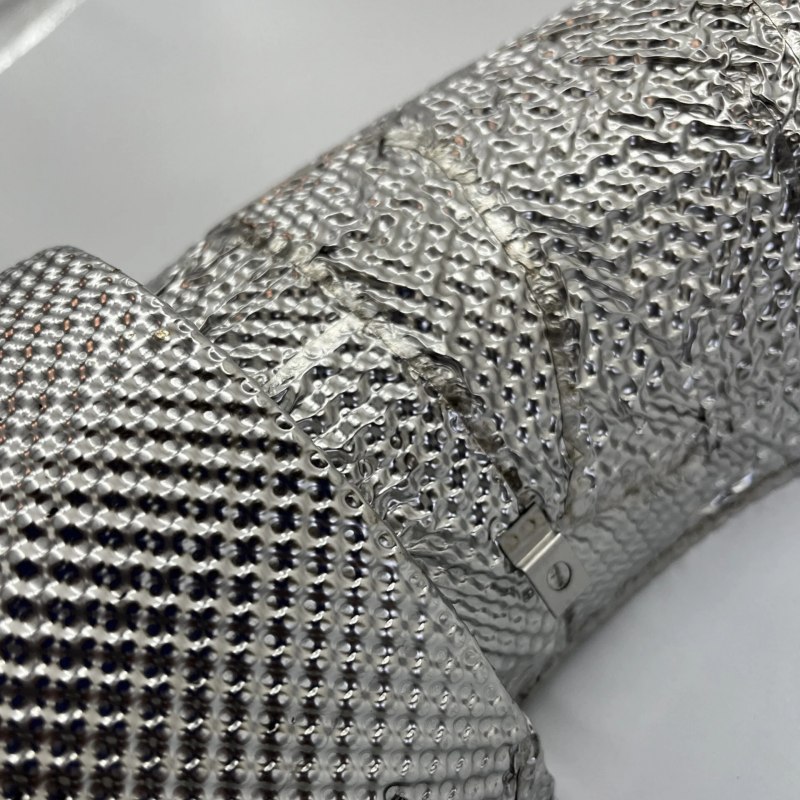
مادة درع الحرارة من الفولاذ المقاوم للصدأ هي حاجز حراري معدني رقيق مصمم للتطبيقات التي يجب فيها التحكم في التعرض للحرارة والاهتزاز والتآكل والأحمال الميكانيكية في الوقت نفسه. في أنظمة السيارات، غالبًا ما تُشكّل على هيئة دروع حول مجمعات العادم، والمحوّلات الحفازة، وأنابيب العادم، وكواتم الصوت، والمكونات الأخرى في المناطق الساخنة.
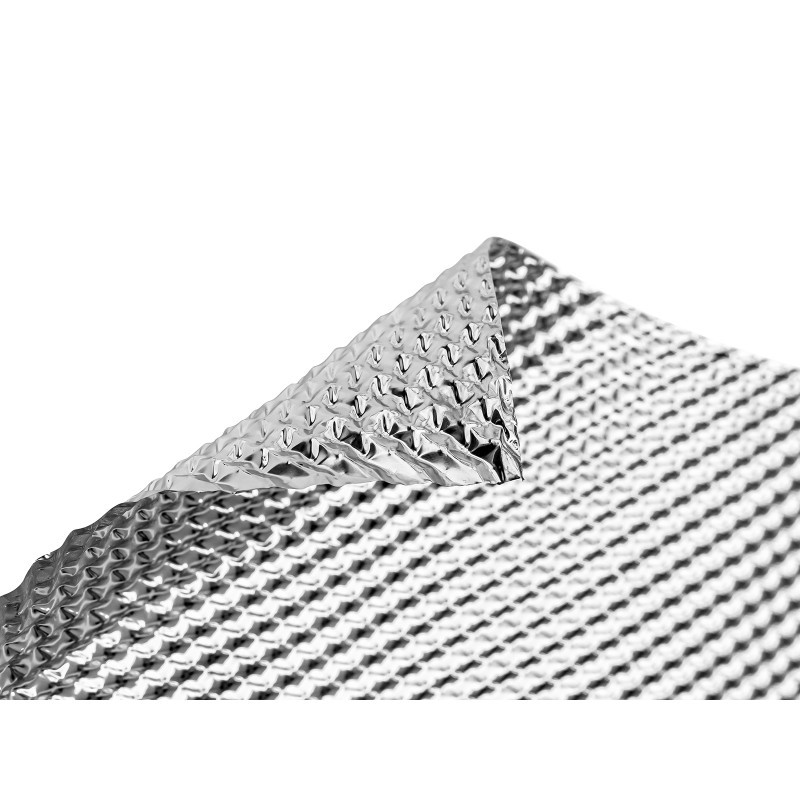
يمكن توريد المادة بسطح منقوش بدلًا من صفيحة معدنية مسطحة بالكامل. يزيد النقش من الصلابة ويساعد الصفيحة الرقيقة على الاحتفاظ بشكلها بعد التشكيل. وهذا مفيد بشكل خاص لدروع الحرارة في السيارات التي تحتاج إلى البقاء خفيفة الوزن مع مقاومة الاهتزاز والتشوه أثناء تشغيل المركبة.
تتوفر لدى BSTFLEX صفيحة الحاجز الحراري من الفولاذ المقاوم للصدأ بسماكات متعددة ويمكن إنتاجها بأنماط نقش مختلفة وفقًا لهندسة المكونات ومتطلبات التصنيع الخاصة بالعملاء.
مادة درع الحرارة من الألومنيوم هي حاجز معدني خفيف الوزن يُستخدم عادةً لتقليل التعرض للحرارة الإشعاعية في المركبات. تجعل كثافته المنخفضة منه ذا قيمة خاصة عندما يحتاج المهندسون إلى حماية حرارية دون إضافة كتلة غير ضرورية إلى المركبة.
يمتلك الألومنيوم أيضًا سطحًا مفيدًا طبيعيًا لعكس الطاقة الحرارية الإشعاعية. ولهذا السبب، توجد مادة الحماية الحرارية من الألومنيوم غالبًا في حجرات المحرك، وأنظمة الجزء السفلي للمركبة، ومناطق السحب، وأنفاق ناقل الحركة، وغيرها من المواقع التي يكون فيها التحكم في الحرارة الإشعاعية أهم من التعرض المباشر لدرجات حرارة العادم الشديدة.
يمكن أن يحسن الهيكل المنقوش الصلابة مع السماح باستخدام مادة رقيقة نسبيًا. توفر BSTFLEX صفيحة الحاجز الحراري من الألومنيوم المنقوش للتطبيقات السياراتية والصناعية التي تتطلب دروعًا حرارية خفيفة الوزن وقابلة للتشكيل.
| المقارنة | مادة درع الحرارة من الفولاذ المقاوم للصدأ | مادة درع الحرارة من الألومنيوم |
|---|---|---|
| الوزن | أثقل من الألومنيوم | أخف بكثير |
| القدرة على تحمل درجات الحرارة العالية | أنسب لمناطق الحرارة الشديدة | أنسب للبيئات الحرارية المعتدلة |
| القوة الميكانيكية | قوة أعلى ومقاومة أكبر للصدمات | قوة أقل لكنه أسهل في التشكيل |
| مقاومة التآكل | ممتازة في البيئات الصعبة | جيدة للعديد من بيئات السيارات |
| انعكاس الحرارة الإشعاعية | فعال عند التصميم بشكل صحيح | ممتاز لحواجز الحرارة الإشعاعية خفيفة الوزن |
| قابلية التشكيل | مناسب للدروع المختومة والمشكلة | مناسب للغاية للدروع المشكلة خفيفة الوزن |
| الموقع النموذجي | مشعب العادم، المحول الحفاز، كاتم الصوت، أنبوب العادم | حجرة المحرك، الهيكل السفلي، منطقة السحب، نفق ناقل الحركة |
| العامل الأساسي في اختيار الأفضل | المتانة والمتطلبات الحرارية الأعلى | تقليل الوزن والتحكم في الحرارة المشعة |
بالنسبة للتطبيقات القريبة جدًا من مشعب العادم أو المحول الحفاز أو مخرج الشاحن التوربيني أو أي مصدر حرارة شديد آخر، يكون الفولاذ المقاوم للصدأ عادةً الخيار الأقوى. فهو يحافظ على خصائصه الميكانيكية المفيدة في البيئات الحرارية الصعبة ويكون أقل عرضة لفقدان السلامة الهيكلية الناتج عن دورات التسخين المتكررة.
وهذا يجعل مادة درع حرارة عادم الفولاذ المقاوم للصدأ مناسبة بشكل خاص عندما يجب أن يتحمل الدرع مزيجًا من الحرارة والاهتزاز والتلوث الناتج عن الطريق وتشغيل المركبة على المدى الطويل.
يمكن أن يكون الألومنيوم فعالًا للغاية في إدارة الحرارة المرتبطة بالعادم أيضًا، ولكن يجب اختيار تطبيقه بعناية. فهو يعمل بشكل خاص بشكل جيد عند استخدامه كحاجز للإشعاع الحراري مع وجود مسافة مناسبة عن مصدر الحرارة، بدلًا من استخدامه كدرع معدني موضوع في أكثر المناطق سخونة وشدة.
يتمتع الألومنيوم بميزة واضحة عندما يكون تقليل الكتلة أولوية في التصميم. يبحث مهندسو السيارات باستمرار عن فرص لتقليل وزن المكونات دون التضحية بالحماية الحرارية اللازمة، خاصة في المركبات عالية الأداء والمركبات الكهربائية والمنصات التي تركز على كفاءة استهلاك الوقود.
يمكن لدرع الحرارة المصنوع من الألومنيوم المنقوش أن يغطي مساحة كبيرة نسبيًا مع الحفاظ على خفة الوزن. وتشمل التطبيقات النموذجية حماية أرضية المركبة، وحواجز الحرارة أسفل الهيكل، ودروع حجرة المحرك، والمناطق المجاورة لمكونات العادم حيث تتوفر فجوة هوائية كافية.
بالنسبة للمشاريع التي يكون فيها كل غرام مهمًا، غالبًا ما تكون مادة درع الحرارة المصنوعة من الألومنيومهي أول مادة يقيّمها المهندسون.
يوفر الفولاذ المقاوم للصدأ عمومًا ميزة عندما تشمل المتانة مقاومة الصدمات والاهتزاز والتآكل والدورات الحرارية المتكررة.
لا يعمل درع الحرارة للسيارات في بيئة مختبرية. واعتمادًا على موقعه، قد يتعرض للماء وملح الطريق والأوساخ وسوائل المحرك وتأثير الحجارة والاهتزاز المستمر. كما يمكن أن تتعرض الدروع المثبتة على العادم للتمدد والانكماش المتكرر مع انتقال المركبة بين درجات الحرارة المحيطة ودرجات حرارة التشغيل.
لهذه الظروف، توفر مادة درع الحرارة المصنوعة من الفولاذ المقاوم للصدأ والمنقوشتوازنًا مفيدًا بين البنية رقيقة الجدار والقوة الميكانيكية ومتانة الخدمة.
تُعد هندسة سطح درع الحرارة المعدني مهمة تقريبًا بقدر أهمية المادة الأساسية. يمكن أن تكون الصفيحة الرقيقة المسطحة بالكامل مرنة نسبيًا وقد تكون عرضة للاهتزاز أو التشوه. يضيف النقش هندسة ثلاثية الأبعاد إلى الصفيحة ويزيد الصلابة الهيكلية دون الحاجة إلى زيادة كبيرة في سماكة المادة.
لتصميم دروع الحرارة الأصلية للمصنع، قد يوفر السطح المنقوش العديد من المزايا العملية:
يمكن لـ BSTFLEX تصنيع أنماط نقش مختلفة وفقًا لأبعاد القطعة ومتطلبات القوالب والتطبيق المقصود.
تُعد الحماية الحرارية للعادم واحدة من أقوى تطبيقات الفولاذ المقاوم للصدأ. تحتوي أنظمة العادم الحديثة على عدة مكونات قادرة على توليد حرارة مركزة بالقرب من هيكل المركبة والأسلاك وخطوط الوقود والأنظمة الأخرى الحساسة لدرجات الحرارة.
تشمل التطبيقات النموذجية:
في هذه المواقع، يوفر الفولاذ المقاوم للصدأ للمهندسين مادة درع حراري معدنية صلبة تجمع بين القدرة على تحمل درجات الحرارة والمقاومة الميكانيكية.
يُعد الألومنيوم مفيدًا بشكل خاص عندما يجب التحكم في الحرارة الإشعاعية عبر سطح كبير نسبيًا دون إضافة وزن مفرط.
تشمل التطبيقات الشائعة:
نظرًا لسهولة تشكيل الألومنيوم، يمكن للمهندسين تطوير أشكال هندسية معقدة وخفيفة الوزن للدروع لتركيبات المركبات ذات المساحات المحدودة.
يمكن لبيئات الشاحن التوربيني أن تخلق ظروفًا حرارية أكثر تطلبًا بشكل ملحوظ من العديد من مواقع حجرة المحرك التقليدية. قد يكون الفولاذ المقاوم للصدأ مناسبًا للعديد من الدروع المرتبطة بالشاحن التوربيني، لكن الأنظمة ذات الاستخدام الشديد قد تتطلب سبيكة ذات أداء أعلى.
بالنسبة للسباقات، والمحركات عالية القدرة، والتطبيقات التي تتضمن التعرض المطول لدرجات حرارة شديدة، تقوم BSTFLEX أيضًا بتصنيع مادة درع حراري من Inconel 625. يوفر هذا خيارًا إضافيًا للمواد عندما لا يفي الفولاذ المقاوم للصدأ أو الألومنيوم بمتطلبات الحرارة أو المتانة الخاصة بالمشروع.
يجب اختيار المادة المناسبة بناءً على ظروف التشغيل الفعلية بدلًا من الاعتماد على رقم واحد لدرجة الحرارة. ينبغي لمهندسي الشركات المصنعة الأصلية تقييم البيئة الحرارية والميكانيكية الكاملة المحيطة بالجزء.
تشمل عوامل الاختيار الرئيسية:
إذا كان التطبيق يعطي الأولوية للوزن المنخفض وعكس الحرارة الإشعاعية، فغالبًا ما يكون الألومنيوم هو الحل الأكثر كفاءة. أما إذا كان يجب أن يتحمل الدرع ظروفًا أقسى على جانب العادم وأحمالًا ميكانيكية أكبر، فعادةً ما يكون الفولاذ المقاوم للصدأ نقطة البداية الأفضل.
بالنسبة لدرع حراري مثبت بالقرب من مشعب العادم، يُفضل الفولاذ المقاوم للصدأ عمومًا لأن الموقع يجمع بين التعرض لدرجات حرارة عالية والاهتزاز والدورات الحرارية المتكررة.
بالنسبة لحاجز ثانوي موضوع على مسافة أبعد من المشعب، قد يظل الألومنيوم يوفر حماية فعالة من الحرارة الإشعاعية مع تقليل وزن المكونات. يجب أن يأخذ التصميم النهائي في الاعتبار درجة حرارة مصدر الحرارة، والمسافة، وتدفق الهواء، وتكوين التثبيت.
يُعد الألومنيوم غالبًا خيارًا ممتازًا لتطبيقات الدروع الحرارية لمآخذ الهواء، لأن الهدف عادةً هو تقليل الحرارة الإشعاعية التي تصل إلى نظام سحب الهواء بدلًا من احتواء حرارة العادم المباشرة.
يجعل وزن الألومنيوم المنخفض وانعكاسيته وقابليته للتشكيل مادة مناسبة بشكل خاص للدروع الحرارية لصناديق الهواء وحواجز السحب وفواصل حجرة المحرك.
نعم. لا يحتاج نظام الإدارة الحرارية للمركبة إلى استخدام المادة نفسها في كل موقع. من الشائع أن يختار المهندسون مواد تدريع حراري مختلفة وفقًا لمتطلبات درجة الحرارة والخصائص الميكانيكية لكل منطقة.
على سبيل المثال، يمكن استخدام الفولاذ المقاوم للصدأ بالقرب من أحد مكونات العادم، بينما يُستخدم الألومنيوم في حاجز ثانوي أكبر بعيدًا عن مصدر الحرارة. قد تجمع التجميعات متعددة الطبقات أيضًا بين صفائح معدنية وفجوات هوائية أو طبقات عزل عند الحاجة إلى تقليل حراري أكبر.
اختيار المادة ليس سوى جزء واحد من تطوير درع حراري فعال للسيارات. يمكن أن يؤثر السمك وهندسة النقش ونقاط التثبيت والفجوة الهوائية وعمق التشكيل وشكل الدرع جميعها في الأداء النهائي.
توفر BSTFLEX مواد دروع حرارية لتطوير النماذج الأولية وبرامج الاستبدال وإنتاج OEM. تشمل خدمات التصنيع المتاحة أبعاد صفائح مخصصة وسماكات مواد وأنماط نقش وتطويرًا خاصًا بالتطبيقات.
يمكن للعملاء مقارنة المواد التالية لمشاريعهم:
لا توجد مادة أفضل بشكل عام. يُفضل الفولاذ المقاوم للصدأ عادةً لتطبيقات العادم الأكثر سخونة والتي تتطلب متطلبات ميكانيكية عالية، بينما يُفضل الألومنيوم عندما يكون انخفاض الوزن وانعكاس الحرارة الإشعاعية هما متطلبات التصميم الرئيسية.
يُعد الفولاذ المقاوم للصدأ مناسبًا على نطاق واسع لدروع العادم الحرارية للسيارات لأنه يجمع بين مقاومة الحرارة والقوة الميكانيكية ومقاومة التآكل. يمكن استخدام الألومنيوم في المناطق ذات الحمل الحراري الأقل، بينما قد يتم اختيار سبائك Inconel للبيئات شديدة المتطلبات.
يحسن النقش صلابة صفائح الألومنيوم الرقيقة ويساعد أسطح الدروع الحرارية الكبيرة على مقاومة التشوه والاهتزاز دون الاعتماد فقط على زيادة سمك المادة.
يمنح النقش صفائح الفولاذ المقاوم للصدأ الرقيقة صلابة إضافية واستقرارًا هيكليًا، وهو مفيد بشكل خاص لدروع العادم الحرارية للسيارات المعرضة للاهتزاز والدورات الحرارية المتكررة.
يُختار الألومنيوم عادةً لتدريع حجرة المحرك حراريًا لأنه خفيف الوزن وفعال في تقليل التعرض للحرارة الإشعاعية. قد يكون الفولاذ المقاوم للصدأ أكثر ملاءمة بالقرب من مكونات جهة العادم حيث تكون درجات الحرارة والأحمال الميكانيكية أعلى.
يُعد الفولاذ المقاوم للصدأ خيارًا شائعًا للتدريع الحراري للمحول الحفاز لأن هذه المنطقة قد تتعرض لحرارة واهتزاز وتعرض بيئي كبير. يجب تحديد المادة والبنية النهائية وفقًا لظروف التشغيل الفعلية للمركبة.
نعم. يمكن لـ BSTFLEX توفير مواد دروع حرارية معدنية بسماكات وأبعاد وأنماط نقش ومواصفات تشكيل مخصصة لمشاريع OEM للسيارات وأنظمة العادم وإدارة الحرارة الصناعية.
بالنسبة لمعظم مشاريع السيارات، يمكن تلخيص القرار ببساطة: اختر الألومنيوم عندما تكون الحماية من الحرارة الإشعاعية خفيفة الوزن هي الأولوية، واختر الفولاذ المقاوم للصدأ عندما يتطلب المكون متانة أكبر في بيئة أكثر سخونة وتتطلب متطلبات ميكانيكية أعلى.
عندما تتجاوز ظروف التشغيل النطاق العملي للمعادن التقليدية المستخدمة في السيارات، يمكن تقييم سبائك عالية الأداء مثل Inconel 625.
بالنسبة لمشاريع OEM أو النماذج الأولية أو متطلبات الإنتاج، يمكن لـ BSTFLEX المساعدة في اختيار المادة استنادًا إلى مصدر الحرارة وموقع التركيب وهندسة المكون ومتطلبات التصنيع. أرسل الرسم والأبعاد ومواصفات المادة أو تفاصيل التطبيق لطلب توصية مناسبة لمادة درع حراري معدنية وعرض سعر.

No.10, Chuangxin North Road, Nanshan Park, Ningguo Economic and Technological Development Zone, Ningguo City, Anhui Province, China
هاتف/Whatsapp : 0086-15856303740
البريد الإلكتروني : sales@bstbraidedsleeve.com
Skype : vanesa-cheng