عن ماذا تبحث?
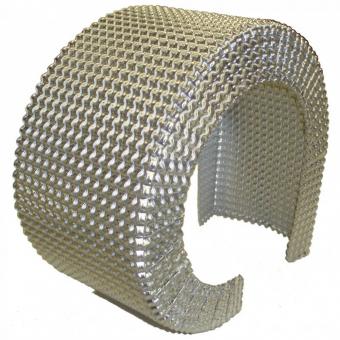
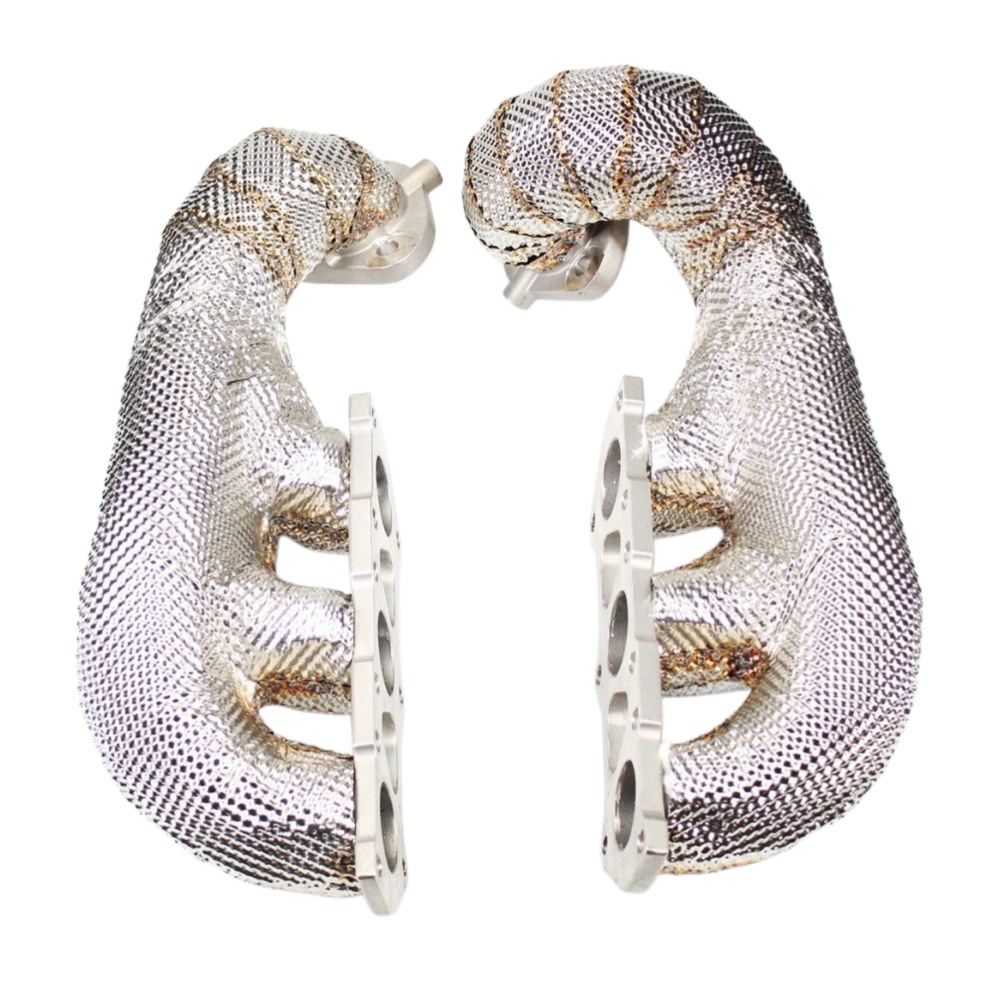
رقائق الفولاذ المقاوم للصدأ المنقوشة هي عبارة عن حاجز حراري معدني رقيق وقابل للتشكيل، يُستخدم في تصنيع واقيات حرارة العادم، وواقيات التوربو، وواقيات المحول الحفاز، وواقيات كاتم الصوت، وحواجز جدار الحماية، وألواح الحماية السفلية للهيكل. وعلى عكس صفائح الفولاذ المقاوم للصدأ المسطحة العادية، يُضفي السطح المنقوش أو ذو النقوش البارزة صلابة هيكلية، ويُحسّن من قدرة المادة على الاحتفاظ بشكلها، ويُساعدها على الحفاظ على شكلها بعد القطع أو الثني أو الطي أو التشكيل.
بالنسبة لتطبيقات عوادم السيارات، فإن هذا يجعل واقي حراري من الفولاذ المقاوم للصدأ المنقوش تُعد هذه المادة خيارًا عمليًا عندما يجب أن يظل جزء ما صلبًا بالقرب من الاهتزازات، ورذاذ الطريق، ودورات الحرارة، ومساحة التركيب المحدودة.
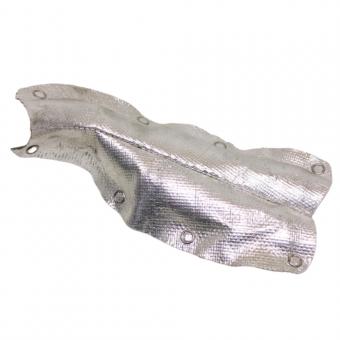
إنّ واقي الحرارة ليس مجرد قطعة معدنية توضع بالقرب من جزء ساخن. ففي أنظمة العادم الحقيقية، يجب أن يتحمّل الحرارة الإشعاعية، ويقاوم الاهتزازات، ويحافظ على شكله، ويتلاءم مع المساحات الضيقة حول الأنابيب، والأقواس، والمستشعرات، والأسلاك، وألواح الهيكل. يحلّ غطاء واقي الحرارة المصنوع من الفولاذ المقاوم للصدأ والمُنقوش هذه المشاكل من خلال الجمع بين قاعدة رقيقة من الفولاذ المقاوم للصدأ ونمط سطح بارز.
يُحوّل النمط البارز الصفيحة المسطحة إلى بنية ثلاثية الأبعاد. وهذا يُساعد المادة على مقاومة التجعّد، والتشوّه الناتج عن الانحناء، والتشوّه الموضعي. في تصنيع واقيات حرارة العادم المُخصصة، تُعدّ هذه الصلابة الإضافية مفيدة، إذ يُمكن أن يظل الواقي خفيف الوزن مع الحفاظ على صلابته بعد التشكيل.
لهذا السبب رقائق عازلة للحرارة من الفولاذ المقاوم للصدأ غالباً ما يتم اختيارها للمشاريع التي يحتاج فيها العميل إلى مادة يمكن قصها وتشكيلها، ولكنها لا تزال بحاجة إلى صلابة كافية للتركيب على المدى الطويل.
يستخدم واقي الحرارة المصنوع من الفولاذ المقاوم للصدأ ذو النتوءات نقاطًا بارزة متكررة أو أشكالًا هندسية محكمة لتحسين الأداء الميكانيكي. لا تحل هذه النتوءات محل قوة المعدن الأساسي، ولكنها تساعد الرقاقة على التصرف كلوحة هيكلية بدلًا من كونها صفيحة مسطحة غير متماسكة.
| عامل التصميم | رقائق الفولاذ المقاوم للصدأ المسطحة | رقائق من الفولاذ المقاوم للصدأ منقوشة / محفورة |
|---|---|---|
| صلابة | صلابة أقل عند نفس السماكة | زيادة الصلابة بفضل نمط السطح المرتفع |
| الحفاظ على الشكل | يمكن أن يتشوه بسهولة أكبر بعد القطع أو الثني. | يحافظ على الأشكال المحددة بشكل أكثر موثوقية |
| التصنيع | يسهل قصها وثنيها، لكنها أقل استقرارًا في الألواح الأكبر حجمًا | سهل التصنيع مع ثبات أفضل للألواح |
| استخدام العادم | مفيد للحواجز البسيطة | أفضل لأجزاء واقيات حرارة العادم المصممة حسب الطلب |
| مظهر | سطح معدني عادي | مظهر تقني، منظم، نهائي للدرع الحراري |
تُضفي عملية النقش البارز على رقائق الحماية الحرارية المصنوعة من الفولاذ المقاوم للصدأ ملمسًا مميزًا. أثناء التصنيع، يُساعد هذا الملمس على ثني المادة بطريقة أكثر تحكمًا، ويُقلل من الشعور بأنها رقيقة وغير مستقرة. عندما يقوم المصنّع بقطع قطعة خام للحماية وثني الحواف أو الأجزاء المنحنية، يُساعد السطح المنقوش على جعل القطعة أكثر ثباتًا.
يُعدّ هذا الأمر بالغ الأهمية، لا سيما بالنسبة لدروع حماية أنابيب العادم وعوادم الدراجات النارية، حيث قد تحتاج هذه الدروع إلى الالتفاف حول الأنابيب المنحنية أو اتباع أشكال غير منتظمة. قد تنثني الرقاقة المسطحة العادية بشكل مفرط بعد التركيب. أما درع الحماية المصنوع من الفولاذ المقاوم للصدأ ذو النقوش، فيتميز بذاكرة شكل أفضل وملمس هيكلي أكثر دقة.
تُوفر شركة BSTFLEX مواد عازلة حرارية من الفولاذ المقاوم للصدأ المنقوش، بخيارات رقيقة شائعة الاستخدام في الحماية الحرارية للسيارات. يعتمد السُمك المناسب على حجم القطعة، وطريقة الثني، وطريقة التركيب، ومتطلبات الوزن، ومستوى الصلابة المطلوب.
| سماكة | الاستخدام النموذجي | الفائدة العملية |
|---|---|---|
| 0.10 مم | رقائق عازلة للحرارة خفيفة الوزن، حواجز مرنة قابلة للطي، أجزاء صغيرة مشكلة | سهولة القطع، سهولة التشكيل، وزن أقل |
| 0.15 مم | تصنيع واقيات حرارية عامة لأنظمة العادم، وألواح منطقة التوربو، وواقيات أسفل الهيكل | قابلية تشكيل متوازنة وصلابة |
| 0.20 مم | دروع أكثر صلابة، وألواح أكبر، وأجزاء تتطلب استقرارًا هيكليًا أعلى | تحسين الصلابة والحفاظ على الشكل |
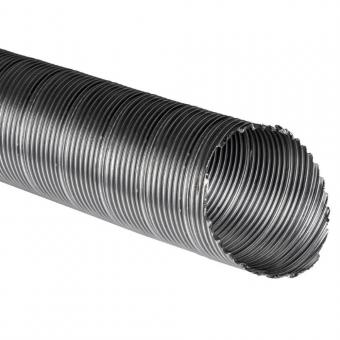
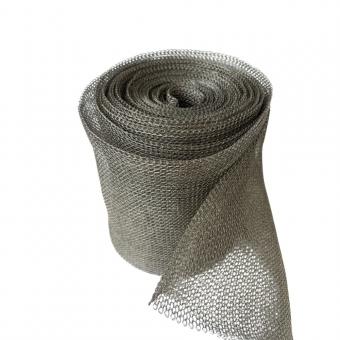
بالنسبة للعملاء الذين يقارنون بين عدة مواد في مرحلة التصميم المبكرة، واقيات حرارية للسيارات من بي إس تي فليكس وتشمل أيضًا الحواجز المرنة، والأكمام، واللفائف، والبطانيات، والأشرطة، وحلول الحماية الحرارية المعدنية لمناطق درجات الحرارة المختلفة وطرق التركيب.
تُستخدم رقائق الفولاذ المقاوم للصدأ المنقوشة بشكل أساسي في التطبيقات التي تتطلب التحكم في الحرارة والاهتزازات ومساحة التركيب في آن واحد. وهي مناسبة لتصنيع الدروع الحرارية وفقًا لمواصفات الشركات المصنعة الأصلية، وكذلك لمشاريع الحماية الحرارية التي تُجرى في السوق الثانوية.
يُعدّ الفولاذ المقاوم للصدأ خيارًا شائعًا لتصنيع واقيات حرارة العادم نظرًا لمتانته العالية، ومقاومته للتآكل، وقوته الميكانيكية، وعمره التشغيلي الطويل في بيئات المركبات القاسية. تتعرض أنظمة العادم لدرجات حرارة عالية، واهتزازات، ورطوبة، وحطام الطرق، ودورات حرارية متكررة. يُمكن لواقي حرارة العادم المصنوع من الفولاذ المقاوم للصدأ تحمّل هذه الظروف بشكل أفضل من العديد من البدائل خفيفة الوزن، خاصةً عندما تكون المتانة الهيكلية أولوية.
تُستخدم مواد الألمنيوم في صناعة الدروع الحرارية غالبًا عندما يكون انعكاس الإشعاع خفيف الوزن هو الشرط الأساسي. أما الفولاذ المقاوم للصدأ، فيُفضّل استخدامه عندما يحتاج الدرع إلى دعم ميكانيكي أقوى، ومقاومة أفضل للاهتزازات، ومتانة أطول بالقرب من مكونات العادم.
| متطلبات | واقي حراري من الفولاذ المقاوم للصدأ المنقوش | مادة عازل حراري من الألومنيوم |
|---|---|---|
| الصلابة الهيكلية | أقوى، خاصة بعد النقش البارز | أخف وزناً ولكنه أكثر نعومة بشكل عام |
| المتانة قرب نهاية عمر البطارية | مناسب لمناطق العادم والجزء السفلي من الهيكل التي تتطلب أداءً عالياً | مفيد للعديد من تطبيقات التدفئة الإشعاعية |
| أجزاء درع حراري مصبوبة | مناسب للدروع المطوية والمختومة والمشكلة | جيد عندما يكون الوزن هو الأولوية الأولى |
| مقاومة الاهتزاز | استقرار هيكلي أفضل | يعتمد ذلك على السماكة والبنية |
| السبب النموذجي للاختيار | القوة، والصلابة، والمتانة | خفيف الوزن وسطح عاكس |
كما توفر شركة BSTFLEX أيضًا الألومنيوم للمشاريع التي يكون فيها أكثر ملاءمة. لوح عازل حراري من الألومنيوم المنقوش وغيرها من مواد حواجز الحماية الحرارية. بالنسبة لبيئات العادم والتوربو القاسية، يمكن للعملاء أيضًا مراجعة واقي حراري من سبيكة إنكونيل 625 .
لا تُصنع أجزاء واقيات حرارة العادم عادةً من ألواح مسطحة بسيطة، بل قد تتطلب حوافًا منحنية، وفتحات تثبيت، وثنيات، وأضلاعًا، ومناطق فاصلة، أو فتحات مخصصة لأجهزة الاستشعار والأقواس. توفر رقائق الفولاذ المقاوم للصدأ المنقوشة للواقيات الحرارية مادةً يمكن تشكيلها بهذه الأشكال مع الحفاظ على بنية متينة.
يمكن استخدامه كمادة صفائحية للعملاء الذين يصنعون أجزاء الحماية الحرارية الخاصة بهم، أو يمكن تطويره إلى دروع مخصصة وفقًا للرسومات أو العينات أو أبعاد التركيب. وهذا مفيد لمصنعي أنظمة العادم، وعلامات عوادم الدراجات النارية، وموردي تعديلات السيارات، وموزعي العزل الحراري، وشركات التصنيع الصناعية.
لتحقيق إدارة حرارية كاملة للسيارات، يمكن استخدام رقائق الفولاذ المقاوم للصدأ المنقوشة مع مواد أخرى للحماية من الحرارة، والأغلفة، والبطانات، والحواجز ذات درجات الحرارة العالية.
يعتمد اختيار المادة الأمثل على منطقة التركيب، وحجم الدرع، وطريقة التشكيل، ودرجة الحرارة المُعرَّضة لها. قبل اختيار السُمك أو النمط، تأكد مما إذا كان الجزء سيُستخدم كحاجز بسيط، أو درع أنبوب منحني، أو لوحة مُختومة، أو درع عادم هيكلي.
| سؤال | لماذا يهم ذلك |
|---|---|
| أين سيتم تركيب الدرع؟ | تختلف ظروف الحرارة والاهتزاز في أنبوب العادم، وكاتم الصوت، والشاحن التوربيني، والمحول الحفاز، وجدار الحماية، والمناطق السفلية من الهيكل. |
| هل الدرع مسطح، أم منحني، أم مطوي، أم مختوم؟ | تؤثر طريقة التشكيل على اختيار السماكة واختيار نمط النقش. |
| هل يحتاج الجزء إلى صلابة عالية؟ | قد تحتاج الألواح الأكبر حجماً أو الأجزاء السفلية المكشوفة إلى مواد أقوى أو نقش أعمق. |
| هل يشتري العميل مواد صفائحية أم أجزاءً جاهزة؟ | يتطلب توريد الألواح وإنتاج الدروع الحرارية المصممة حسب الطلب تفاصيل مختلفة في عرض الأسعار. |
| هل يتوفر رسم أو نموذج؟ | يساعد الرسم أو العينة في تأكيد الحجم والثقوب والانحناءات وشكل الحافة وطريقة التركيب. |
هي مادة عازلة حرارية رقيقة من الفولاذ المقاوم للصدأ ذات سطح منقوش أو محفّر. يُحسّن النمط البارز من صلابة المادة ويساعدها على الحفاظ على شكلها بعد القص أو الثني أو التشكيل.
تزيد البنية المنقوشة من الصلابة وثبات الشكل، مما يجعل المادة أكثر ملاءمة لتصنيع واقيات حرارية مخصصة لأنظمة العادم، خاصةً عندما يكون الجزء بحاجة إلى مقاومة الاهتزازات والتغيرات الحرارية.
يُستخدم في واقيات حرارة أنابيب العادم، وواقيات عادم الدراجات النارية، وحواجز حرارة التوربو، وواقيات المحول الحفاز، وواقيات كاتم الصوت، وحواجز جدار الحماية، وألواح الحماية الحرارية أسفل الهيكل.
نعم. يمكن قصه، وطيه، وثنيه، وختمه، وتشكيله إلى أجزاء واقية من الحرارة حسب الطلب. وهو مناسب لتوريد الصفائح وتصنيع واقيات الحرارة من قبل الشركات المصنعة الأصلية.
تشمل الخيارات الشائعة 0.10 مم، و0.15 مم، و0.20 مم. يعتمد السُمك المناسب على حجم القطعة، وطريقة التشكيل، ومتطلبات الصلابة، وبيئة التركيب.
نعم. يمكن لشركة BSTFLEX توفير مواد دروع حرارية من الفولاذ المقاوم للصدأ المنقوش ودعم تطوير الدروع الحرارية المخصصة وفقًا للرسومات والعينات والأبعاد ومتطلبات المشروع.
للحصول على توصية مناسبة بشأن المواد وعرض سعر، يرجى تقديم موضع التطبيق، والسمك المطلوب، وحجم الصفيحة أو أبعاد الجزء، وتفضيل النقش، والرسم أو العينة إن وجدت، وكمية الطلب المقدرة.
شاهد المنتج هنا: صفيحة عازلة حرارية من الفولاذ المقاوم للصدأ منقوش من BSTFLEX
للاطلاع على المزيد من منتجات الحماية الحرارية للسيارات، تفضل بزيارة: واقيات حرارية للسيارات

No.10, Chuangxin North Road, Nanshan Park, Ningguo Economic and Technological Development Zone, Ningguo City, Anhui Province, China
هاتف/Whatsapp : 0086-15856303740
البريد الإلكتروني : sales@bstbraidedsleeve.com
Skype : vanesa-cheng